Select, high-performance permanent magnets engineered to satisfy the rigorous tolerances required by Greater Boston's leading technology laboratories and defense OEMs.
The Greater Boston area—extending from Cambridge’s biotech epicenter outward to the robotics clusters of Waltham, Bedford, and Worcester—represents one of the most demanding precision-engineering corridors in the world. As local firms pioneer innovations in autonomous surgical robotics, high-speed brushless DC (BLDC) motors, defense sensors, and space exploration payloads, the demand for high-density, dimensionally precise permanent magnets has accelerated exponentially.
Among these, Bonded Neodymium-Iron-Boron (NdFeB) magnets stand out as the material of choice for designers who require complex, multi-pole geometries, thin-walled ring architectures, and highly uniform isotropic properties. Unlike sintered counterparts which are prone to chipping and require costly post-mold machining, bonded NdFeB can be injection-molded, compression-molded, or extruded directly onto motor assemblies or shafts.
"By integrating isotropic bonded NdFeB powders with high-performance polymers, Boston-based OEMs can eliminate weight, simplify multi-step assembly architectures, and achieve complex magnetic profiles that sintered magnets simply cannot offer."
Zhejiang Laysun Magnetics Ltd. partners with North American design teams to bridge the gap between initial prototyping and massive manufacturing scales.
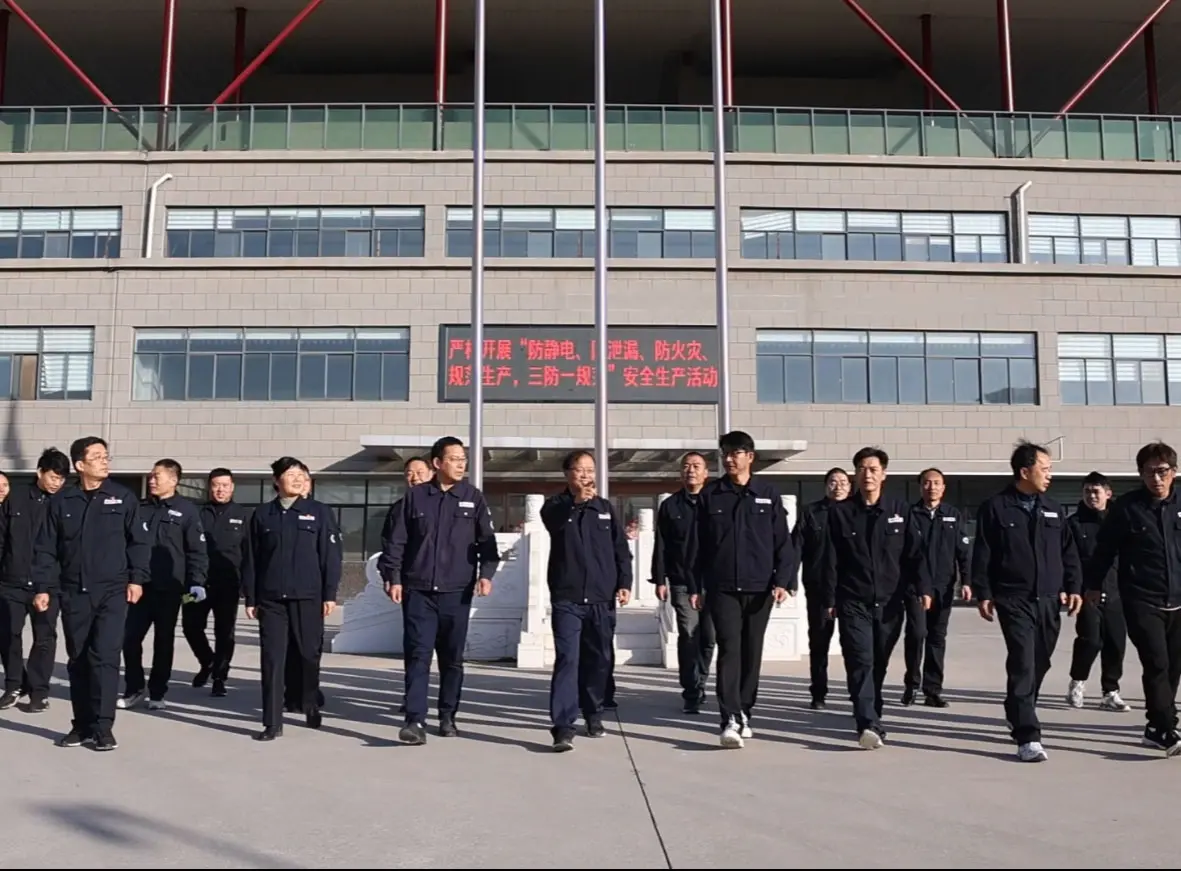
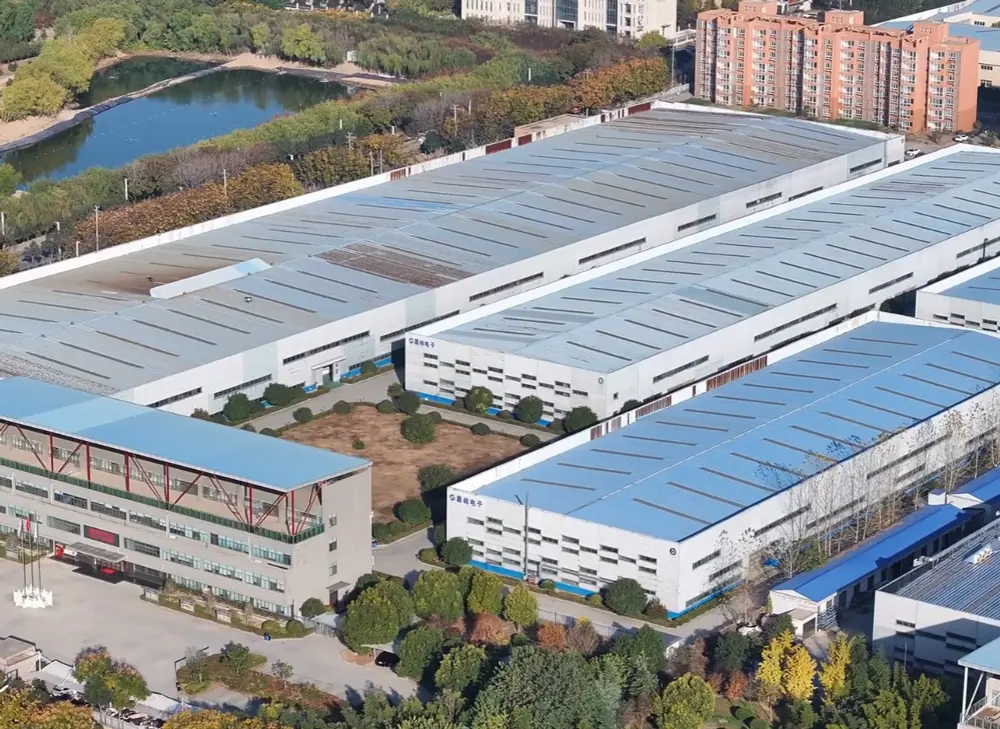
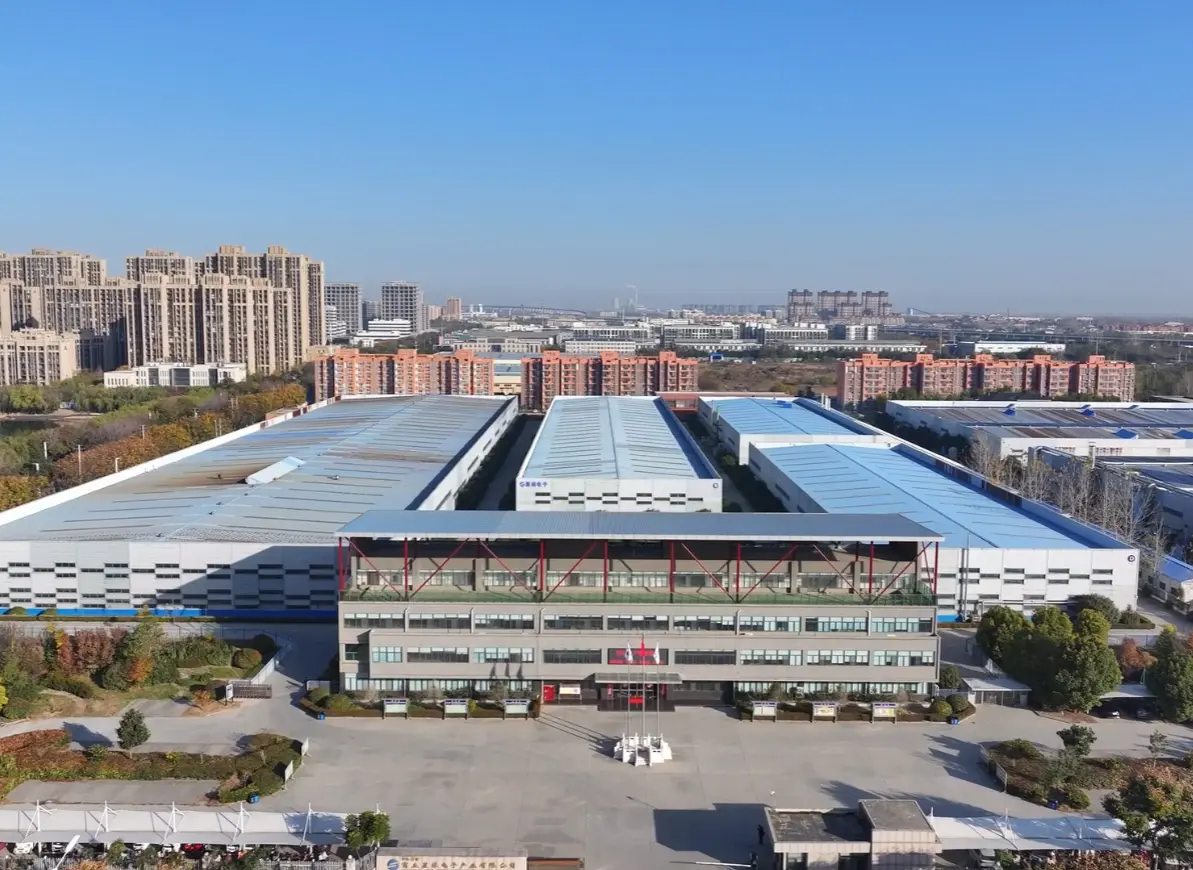
Founded at the turn of the millennium, Zhejiang Laysun Magnetics Ltd. has evolved from a targeted rare-earth materials producer into an international leader in advanced magnetic technologies. Our primary facility in Suining, Sichuan, is equipped with automated injection and compression molding machinery designed to produce isotropic bonded NdFeB to micron-level tolerances.
Our core capabilities range from developing customized polymer-binder formulations to fabricating high-precision multi-pole ring magnets. We accommodate custom shapes, specialized coatings (Parylene, Epoxy, Nickel, and custom resins), and direct overmolding. For Boston companies operating in medical and aerospace hubs, this means single-source accountability from raw alloy to certified final assembly.
A comparative technical reference for Boston design engineers deciding between compression bonded, injection molded, and sintered NdFeB.
When selecting magnetic components for dynamic devices, designers must balance magnetic energy density, mechanical strength, shape complexity, and total system cost. The matrix below highlights key property trade-offs:
| Property / Material Type | Compression Bonded NdFeB | Injection Molded NdFeB | Sintered NdFeB | Sintered SmCo |
|---|---|---|---|---|
| Maximum Energy Product (BHmax) | 8.0 - 12.0 MGOe | 4.5 - 7.5 MGOe | 33 - 52 MGOe | 18 - 32 MGOe |
| Residual Induction (Br) | 6.0 - 7.8 kG | 4.5 - 5.8 kG | 11.2 - 14.8 kG | 8.2 - 11.6 kG |
| Shape Flexibility & Complexity | High (Rings, arcs, stepped geometries) | Extremely High (Complex geometries, insert molding) | Low (Basic blocks, discs; requires grinding) | Low to Medium (Brittle; high machining costs) |
| Dimensional Tolerances | ±0.02mm to ±0.05mm (As-molded) | ±0.01mm (High precision injection) | ±0.1mm (Requires post-sinter diamond grinding) | ±0.1mm (Extremely prone to chipping) |
| Direct Overmolding / Assembly | Yes (Direct insert pressing) | Yes (Automated co-injection) | No (Requires mechanical bonding/glues) | No (Requires complex structural adhesives) |
Note: For applications operating in temperatures exceeding 150°C, custom PPS bonded NdFeB formulations or Sintered SmCo may be recommended. Consult our technical engineering desk in Boston to request custom magnetic flux simulation maps.
How local industries apply the unique physical and mechanical properties of bonded rare earth systems.
Boston's world-class medical innovation clusters require ultra-compact motor assemblies that drive surgical arms, catheter steerage, and implantable pumps. Bonded NdFeB magnets allow manufacturers to create multi-pole radial rings with outer diameters under 3mm. The injection-molding process facilitates overmolding onto biocompatible stainless steel shafts, eliminating assembly adhesive failure risks in surgical environments.
Defense contractors operating near Hanscom AFB and the Route 128 corridor demand structural reliability under extreme vibrations. Sintered magnets are brittle and prone to catastrophic failure. Compression-bonded NdFeB, combined with robust thermoset epoxy binders, resists cracking and chipping under high mechanical stress while providing highly stable isotropic magnetic performance.
From autonomous mobile robots (AMRs) in New England logistics hubs to micro-drones, brushless DC (BLDC) motors must deliver maximum power-to-weight ratios. The ability to magnetize bonded rings with precise multi-pole profiles (e.g., 8, 12, or 24 poles) minimizes cogging torque, producing exceptionally smooth motion profiles and reduced acoustic signatures.
Microfluidic chips, analytical spectrometers, and high-speed centrifuges rely on precise magnetic couplers. Injection-molded magnetic components with custom polymer binders (such as PPS or liquid crystal polymers) provide chemical resistance to solvents, acids, and high autoclave temperatures, ensuring long-term operational life.
Navigating global rare-earth supply chains requires trust, regulatory alignment, and rigorous material documentation. Zhejiang Laysun Magnetics Ltd. maintains strict compliance protocols to support our partners in the United States and global markets.
Our raw material sourcing undergoes strict vetting to ensure conflict-free mineral traceability and compliance with international standards. All products leaving our 100,000-square-meter facility are certified under standard manufacturing guidelines and are fully compliant with RoHS and REACH initiatives.
For defense, aerospace, and biomedical clients in the Boston region, we supply comprehensive material certificates, chemical composition analyses, and custom demagnetization (B-H) curves. This facilitates seamless onboarding into corporate quality management databases.
Answers to critical questions regarding design parameters, tooling, lead times, and manufacturing limitations.
For custom compression or injection-molded bonded magnets, tooling design and fabrication generally take 15 to 21 days. First-article samples, including magnetic mapping reports and dimensional compliance sheets, are delivered within 7 to 10 days of trial production runs.
Yes, they are highly isotropic. You can mold and press-fit the unmagnetized ring or rotor segment into your assembly, and then apply a high-energy magnetic pulse utilizing custom post-assembly magnetizing fixtures. This prevents contamination from metallic particles during manufacturing.
Epoxy binders typically offer higher magnetic loading (resulting in higher energy products, BHmax) but are limited to continuous operating temperatures around 120°C to 150°C. Polyphenylene sulfide (PPS) or Polyamide (Nylon) binders can withstand temperatures up to 180°C or even 200°C while offering superior resistance to chemical attack and fuel exposure, although they possess slightly lower magnetic density.
All magnetic alloys, polymer binders, and protective coatings used in our factory undergo external third-party analysis. We provide official RoHS/REACH declaration sheets and SDS certificates with each shipment to guarantee seamless importation and environmental compliance.
Yes. While our annual output is 5,000 tons, we understand that medical and tech spin-offs from MIT, Harvard, and Boston University require prototype batches. We offer design consulting, magnetic flux path simulation, and small-batch pilot runs to support new technology development.
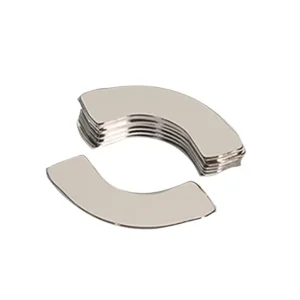
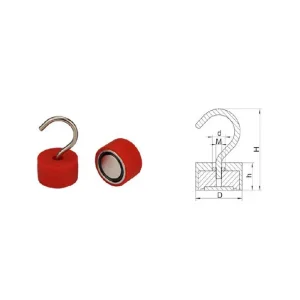
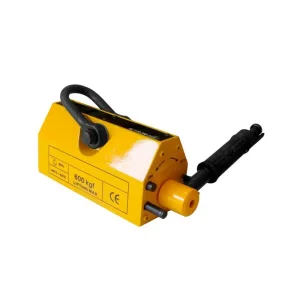
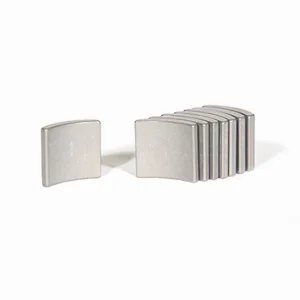
Explore our production-ready magnetic components, from micro-sized VCM magnets to industrial lift systems.
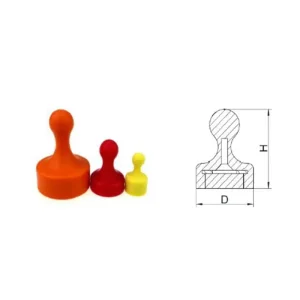
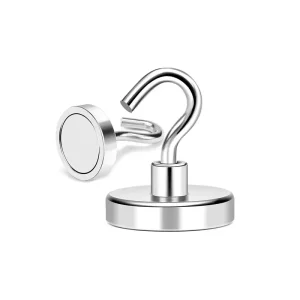
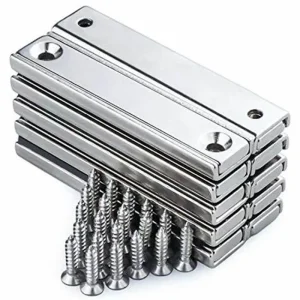
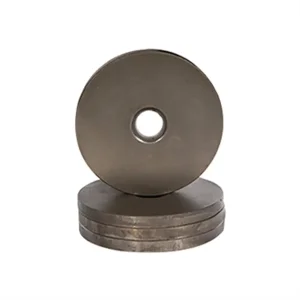
Get direct access to our magnetic engineers for FEA simulations, customized magnetic profiling, and volume pricing requests. We reply within 24 hours.
Send Inquiry Now Laysun Magnetics