Industrial grade permanent magnetic systems engineered for high durability, efficiency, and heavy load separation
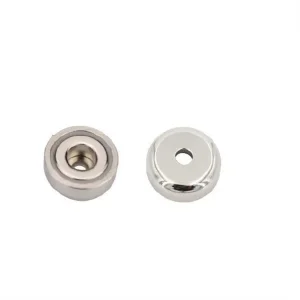
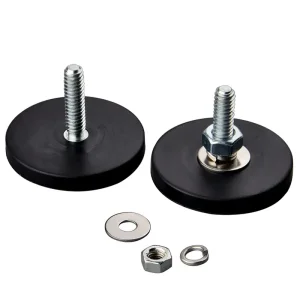
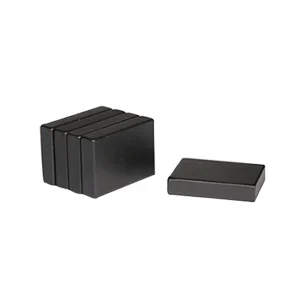
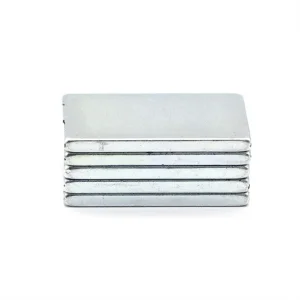
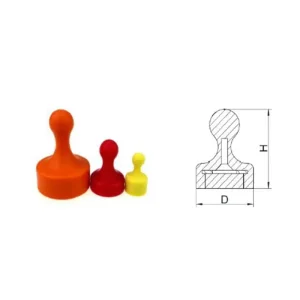
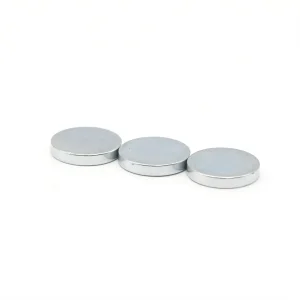
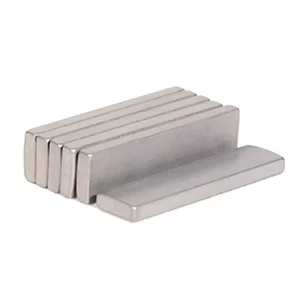
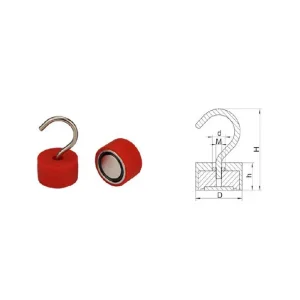
Comprehensive technical overview of rare-earth magnetic separation mechanisms, material configurations, and engineering principles
In modern industrial manufacturing, resource recovery, food safety, and mineral processing, the technology of magnetic separation is paramount. At the core of high-performance magnetic separation systems lies the Neodymium-Iron-Boron (NdFeB) magnet. Neodymium magnets, characterized by their exceptional remanence ($B_r$) and coercive force ($H_{cj}$), are uniquely capable of generating the high-gradient magnetic fields required to extract, capture, and hold ferrous contaminants or sort materials at scale. This whitepaper analyzes the physical properties, design considerations, and global supply chains for wholesale separating neodymium magnets.
Magnetic separation processes rely not merely on magnetic strength, but on the magnetic field gradient—the rate of change of magnetic field strength over distance. High-intensity magnetic separators (HIMS) employ sintered NdFeB blocks, cylinders, and complex assemblies like Halbach arrays to construct regions of intense magnetic flux gradient. When a material stream flows past these assemblies, fine paramagnetic particles or tramp iron are drawn toward the magnetic poles, achieving clean, reliable separation.
The magnetic force ($F$) acting on a particle is directly proportional to the volume of the particle ($V$), the volumetric magnetic susceptibility ($\chi$), the magnetic induction ($B$), and the spatial gradient of the magnetic field ($\nabla B$):
F = V * χ * (B • ∇)B
Consequently, to separate very fine ferrous particles or weakly magnetic minerals, a separator must maintain both high magnetic induction ($B$) and a steep gradient ($\nabla B$). This explains why sintered neodymium magnets are the industry benchmark, displacing older ferrite and AlNiCo alternatives.
Selecting the appropriate grade of NdFeB is crucial for industrial separating equipment. Industrial magnets are subjected to extreme mechanical stresses, moisture, chemicals, and temperature fluctuations. Engineering teams must balance the maximum energy product ($(BH)_{max}$) against the thermal demagnetization threshold of the selected grade. Zhejiang Laysun Magnetics offers customized grades from N35 up to N52, alongside high-coercivity variants such as UH, EH, and AH grades, designed to perform without demagnetization at temperatures up to 220°C.
A trusted global leader in the engineering, R&D, and large-scale fabrication of advanced rare earth permanent magnet systems
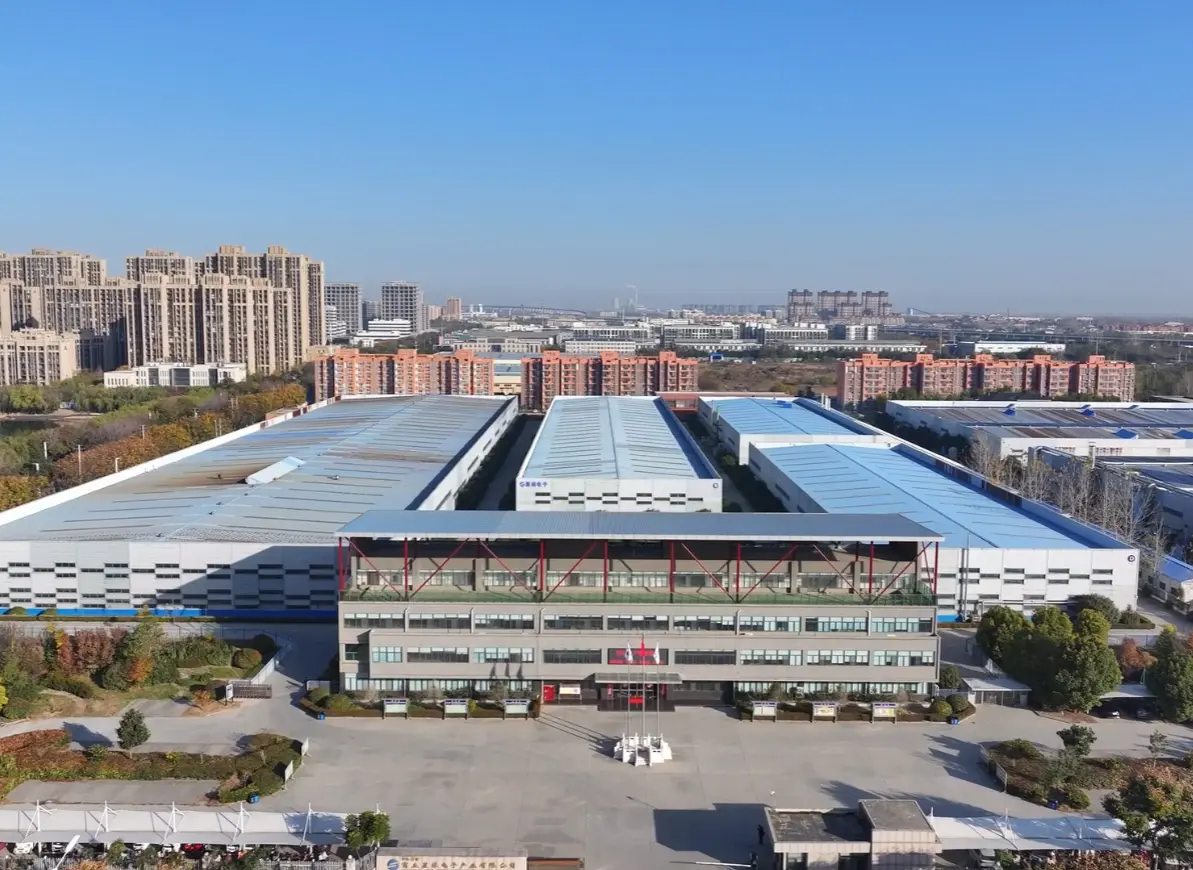
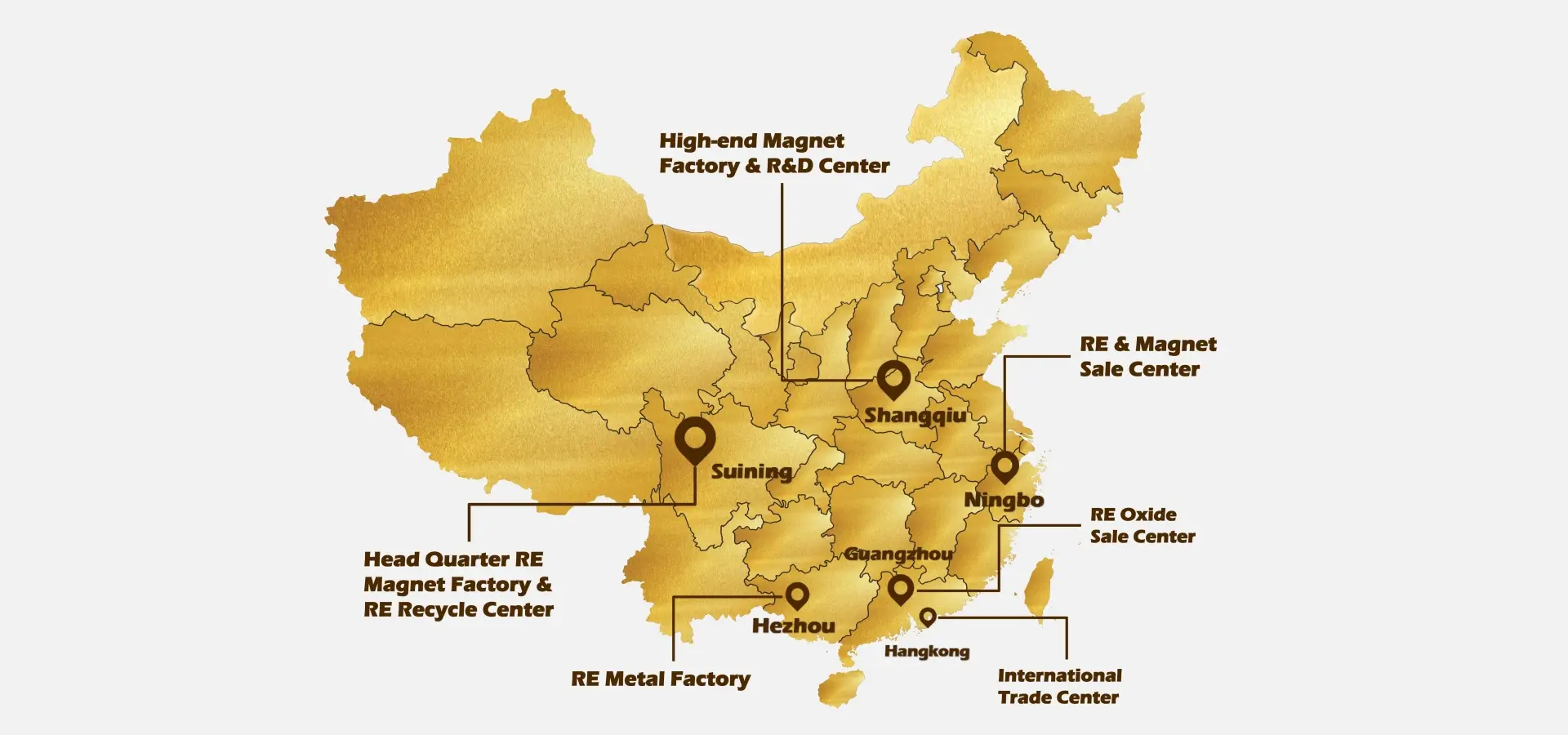
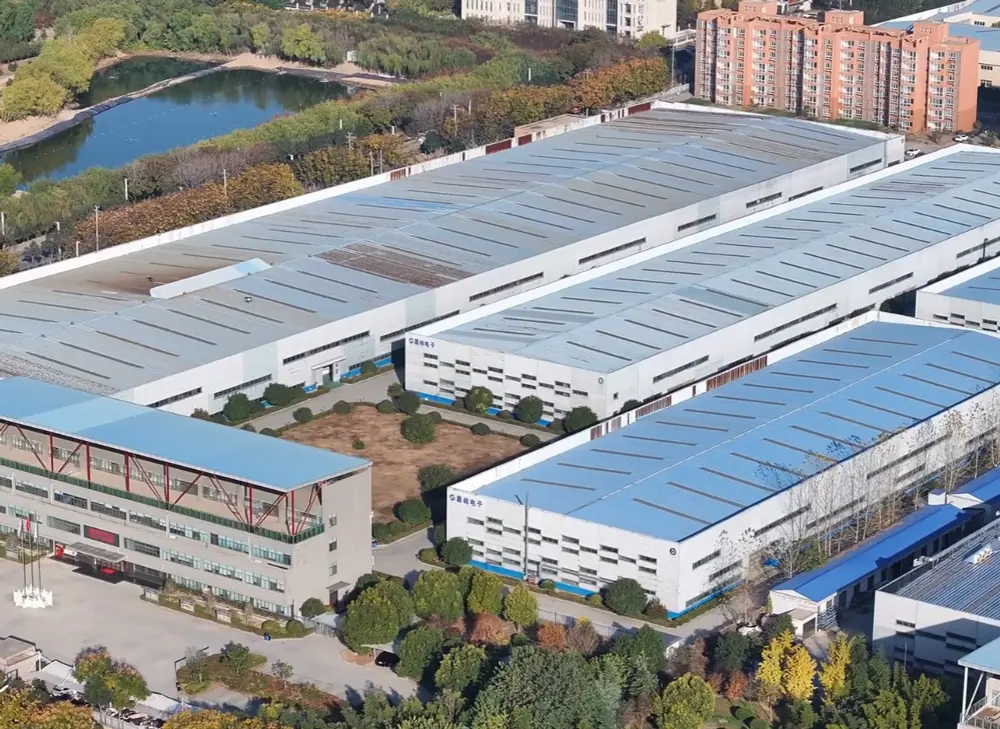
Founded at the turn of the millennium in 1999, Zhejiang Laysun Magnetics Ltd. has evolved from a visionary startup into a national high-tech enterprise. Our state-of-the-art manufacturing campus spans over 100,000 square meters in Suining, Sichuan, with international corporate headquarters located in Hangzhou, China. Backed by a dedicated team of 300+ professionals, we maintain an annual production capacity of 5,000 tons of rare earth magnets, serving high-demand industries worldwide.
China produces over 85% of the world's rare earth magnets. This dominance is not based on raw capacity alone, but on a highly integrated supply chain, state-of-the-art technological infrastructure, and localized engineering talent. Zhejiang Laysun Magnetics leverages this localized advantage to provide industrial buyers with unmatched value:
Tailored NdFeB magnetic configurations optimized for industrial and consumer sectors
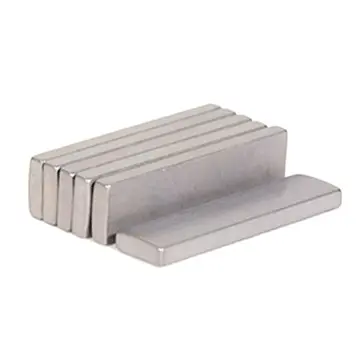
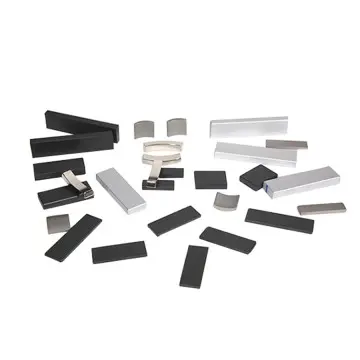
Precision voice coil motors (VCMs) and high-accuracy servo-actuators require extremely stable, low-weight NdFeB ring and segment magnets to ensure dynamic positioning accuracy.
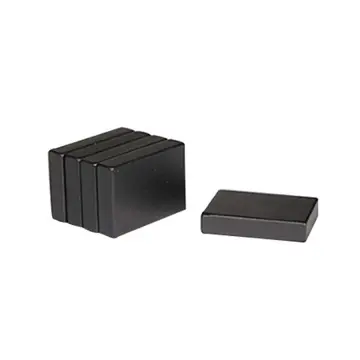
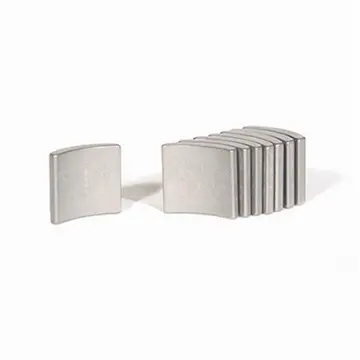
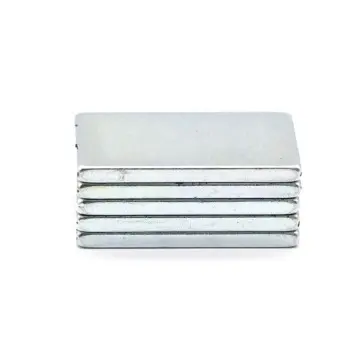
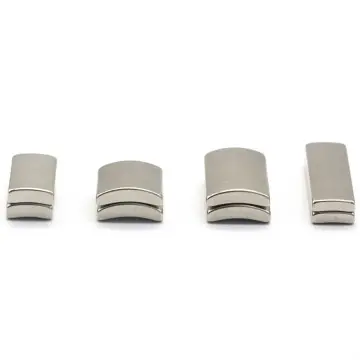
Sintered NdFeB block and arc magnets provide the high torque density and efficiency required by traction motors and electric power steering (EPS) systems in electric drive units.
Large-scale NdFeB arc segments configured in rotor assemblies generate maximum electromagnetic induction under high mechanical stress, optimizing clean energy generation.
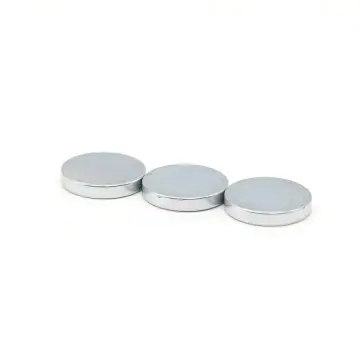
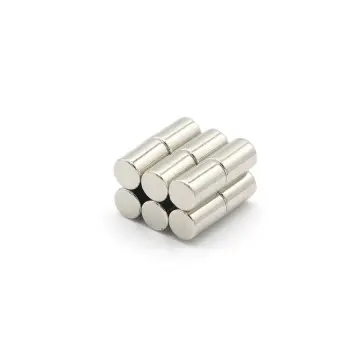
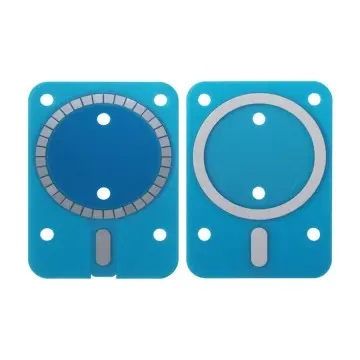
Micro magnets, magnetic charging rings, and phone mounting systems utilize ultra-thin disc and ring neodymium magnets with anti-demagnetization coatings.
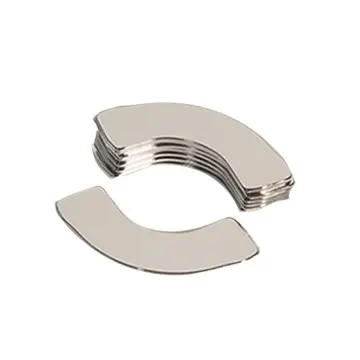
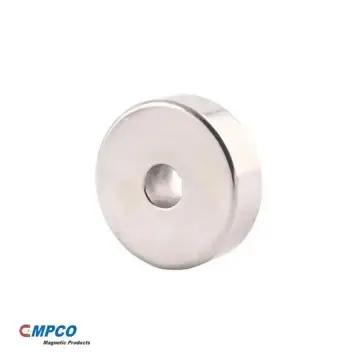
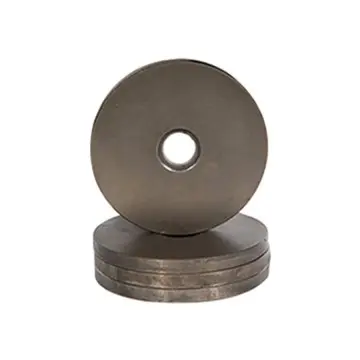
Technical engineering metrics of neodymium grades utilized in separation assemblies
Developing magnetic separation systems requires careful consideration of the physical attributes of Neodymium magnetic materials. Magnetic separating equipment like pulleys, drum separators, grate magnets, and high-intensity filters require specific properties depending on their operating environments. If a magnet is exposed to high ambient temperatures (e.g., in hot liquid pipelines in food processing), it requires high thermal stability (UH, EH, or AH grades) to avoid irreversible demagnetization. If the application handles aggressive liquids, a highly durable protective plating such as Teflon or rubber coating is necessary.
The table below provides key physical and magnetic specifications of sintered NdFeB magnets commonly deployed in separation technologies:
| Material Grade | Remanence (Br) [T] | Coercivity (Hcb) [kA/m] | Intrinsic Coercivity (Hcj) [kA/m] | Max Energy Product (BH)max [kJ/m³] | Max Working Temp [°C] |
|---|---|---|---|---|---|
| N35 | 1.17 - 1.22 | ≥ 868 | ≥ 955 | 263 - 287 | 80 |
| N48 | 1.38 - 1.42 | ≥ 868 | ≥ 955 | 366 - 390 | 80 |
| N52 | 1.43 - 1.48 | ≥ 868 | ≥ 875 | 398 - 422 | 70 |
| N38SH | 1.22 - 1.26 | ≥ 907 | ≥ 1592 | 287 - 310 | 150 |
| N42UH | 1.28 - 1.32 | ≥ 955 | ≥ 1990 | 318 - 342 | 180 |
| N35EH | 1.17 - 1.22 | ≥ 923 | ≥ 2388 | 263 - 287 | 200 |
| N30AH | 1.08 - 1.13 | ≥ 820 | ≥ 2785 | 223 - 247 | 220 |
For international buyers in Europe, North America, and APAC, supply chain reliability hinges on strict quality assurance frameworks. At Zhejiang Laysun Magnetics Ltd., we subject our magnetic products to comprehensive mechanical and physical verification protocols to meet global industry standards:
Zhejiang Laysun Magnetics is headquartered in Hangzhou, China. The city is a major center of research, development, and advanced manufacturing. Our primary logistics and export office is positioned within close proximity to major deep-water ports (Ningbo and Shanghai), allowing us to offer efficient transport pathways for high-volume orders. To better support our growing international client base, we have expanded our regional support capabilities across North America, Germany, South Korea, and Southeast Asia.
Our commitment to manufacturing excellence, safety, and environmental compliance
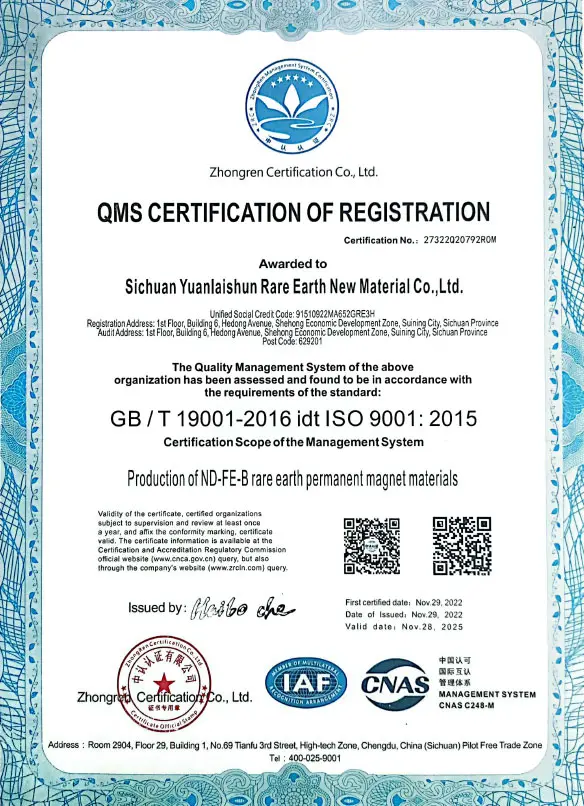
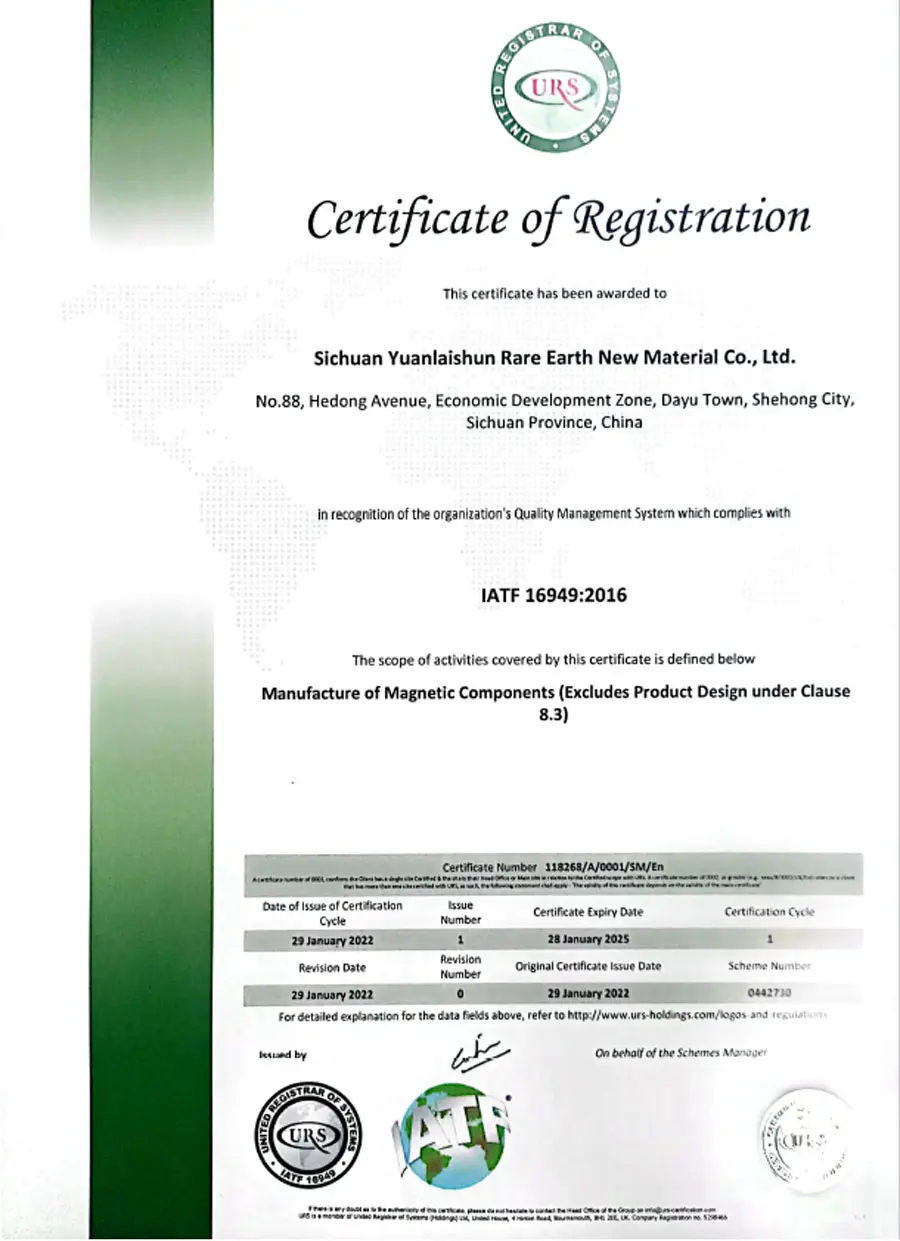
Our facilities are certified to ISO 9001:2015, ISO 14001:2015, and ISO 45001:2018 (formerly ISO 18001), as well as specific international standards like CE, API 6D, API 607, and TS16949 for the automotive industry. This ensures that every magnetic component complies with strict quality and safety criteria.
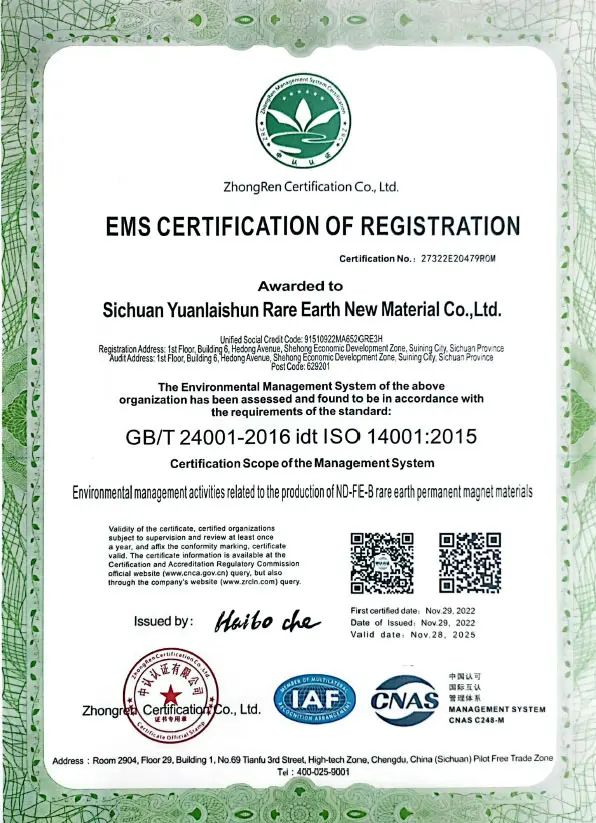
ISO 9001 / ISO 14001
Automotive TS Standard
CE & API Compliance
Quality Assurance Standard
Expert answers to critical technical questions regarding the selection, application, and maintenance of NdFeB separation magnets
Separating neodymium magnets are designed specifically to generate high magnetic field gradients over a defined distance to pull paramagnetic contaminants from moving product streams. Unlike standard mounting magnets that focus magnetic force directly on their contact surface, separation systems project a deep, high-gradient magnetic field into the surrounding space. They are often arranged in specific orientations (like Halbach arrays or alternating pole arrays) and protected by thick, wear-resistant stainless steel housings to withstand abrasion and prevent contamination.
Standard Nickel-Copper-Nickel (Ni-Cu-Ni) electroplating is suitable for dry environments, but wet separation processes require more robust protection. For these applications, we recommend Teflon (PTFE), polyurethane, or heavy-duty rubber coatings. For liquid pipelines in food or pharmaceutical processing, we hermetically seal the NdFeB magnets inside laser-welded food-grade 316L stainless steel tubes, providing complete isolation from liquid exposure.
Neodymium magnets are temperature-sensitive. Standard grades (N-grade) begin to lose magnetic force at temperatures above 80°C. Exceeding this threshold can lead to irreversible demagnetization. To prevent this in high-temperature environments, we substitute part of the Neodymium with Dysprosium (Dy) and Terbium (Tb), which increases the intrinsic coercivity ($H_{cj}$). This allows the magnets to operate at elevated temperatures. We offer specific high-temperature grades: M (up to 100°C), H (up to 120°C), SH (up to 150°C), UH (up to 180°C), EH (up to 200°C), and AH (up to 220°C).
To provide an accurate quote and assist with optimization, our engineering team requires the following specifications:
1. Dimensional shape (block, disc, ring, arc, segment) and exact tolerances.
2. Target magnetic grade (e.g., N35, N52, N38SH).
3. Magnetization direction (axial, radial, multi-pole).
4. Coating requirements (Ni-Cu-Ni, Epoxy, Rubber, Zinc).
5. Maximum operating temperature and environmental conditions (corrosive, wet, vacuum).
6. Order volume (MOQ varies by configuration).
Explore our engineering capabilities in motor segments, magnetic lifters, pot magnets, and custom badges
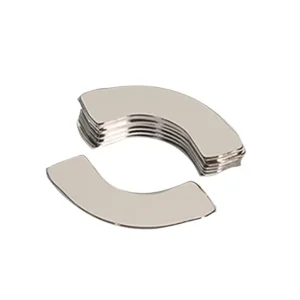
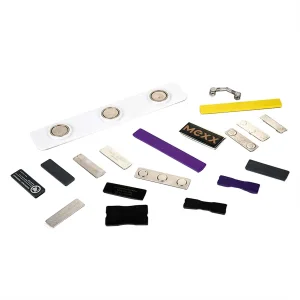
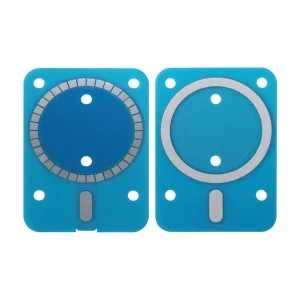
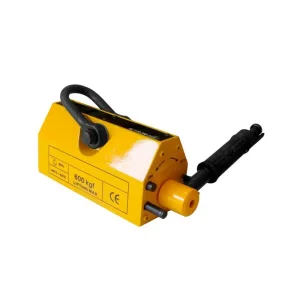
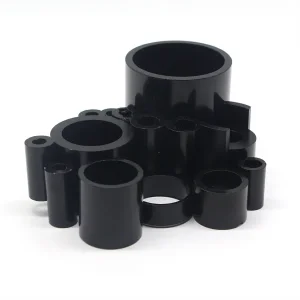
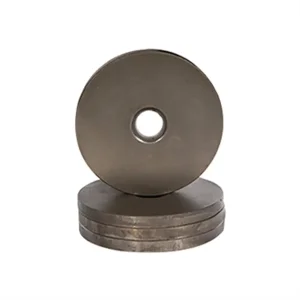
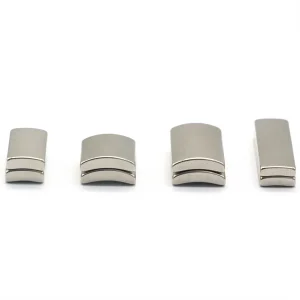
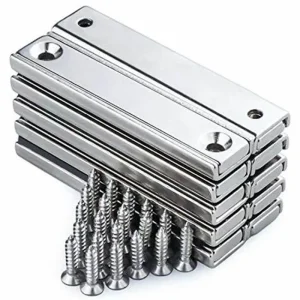
Since 1999, we have partnered with global enterprises to deliver tailored rare earth magnetic systems. Let our experienced engineering team assist you with product design, simulation, prototyping, and wholesale manufacturing.
Inquiry For Price List & Technical Support
Reach out to our sales team with your project requirements, and we will respond with a technical assessment and formal quote within 24 hours.
 Laysun Magnetics