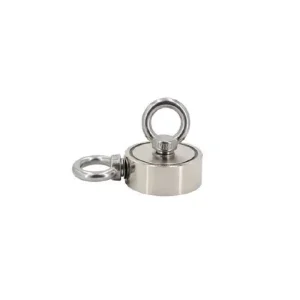
Industrial grade NdFeB, SmCo, and structural magnetic assemblies designed for precise field architectures.
In modern electromechanical, aerospace, and industrial system design, magnetization in materials acts as the baseline physics enabling modern energy conversion. Rare-earth permanent magnet materials, especially Neodymium-Iron-Boron (NdFeB) and Samarium-Cobalt (SmCo), dictate the boundary limits of efficiency and torque density for systems scaling from voice coil actuators to multi-megawatt wind turbines.
Optimizing magnetic materials requires an understanding of structural magnetic anisotropy at the atomic level. Sintered NdFeB achieves its high maximum energy product ($(BH)_{max}$ up to 55 MGOe) due to the highly aligned tetragonal $Nd_2Fe_{14}B$ crystal structure. Achieving this alignment requires strict control during the powder metallurgy processing phase, utilizing high-intensity orienting fields prior to sintering.
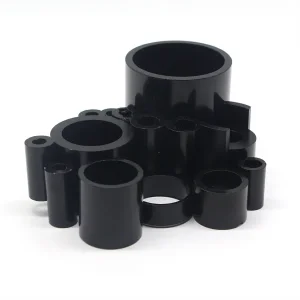
In applications such as automotive EPS (Electric Power Steering), multi-pole radial magnetization profiles are vital. By implementing complex magnetizing fixtures with custom stator geometries, suppliers can encode distinct magnetic pole transitions directly onto single-ring bonded NdFeB elements. This reduces torque ripple and optimizes harmonic feedback in critical safety-critical control systems.
The transition toward global electrification has created structural demand peaks for high-coercivity magnets. High-temperature environments—ranging from EV drivetrains to industrial generators—suffer from thermal demagnetization risks. To mitigate these risks, heavy rare earth elements (HREE) like Dysprosium (Dy) and Terbium (Tb) are traditionally substituted into the crystal lattice to raise the intrinsic coercivity ($H_{cj}$).
However, geopolitical concentration risks and volatile HREE pricing have shifted the industry toward Grain Boundary Diffusion (GBD) technology. GBD targets the deployment of Dy or Tb exclusively along the grain boundaries of NdFeB crystals, lowering HREE consumption by up to 70% while maintaining thermal operability up to 220°C. This allows suppliers to provide cost-effective magnets without compromising thermal performance.
When selecting magnetization partners, procurement teams must analyze three key parameters: Remanence ($B_r$), Coercivity ($H_{cj}$), and Reversible Temperature Coefficients ($\alpha B_r$). Sintered formulations operating above 150°C typically require UH, EH, or AH grade specifications to prevent irreversible flux losses during long-term operational cycles.
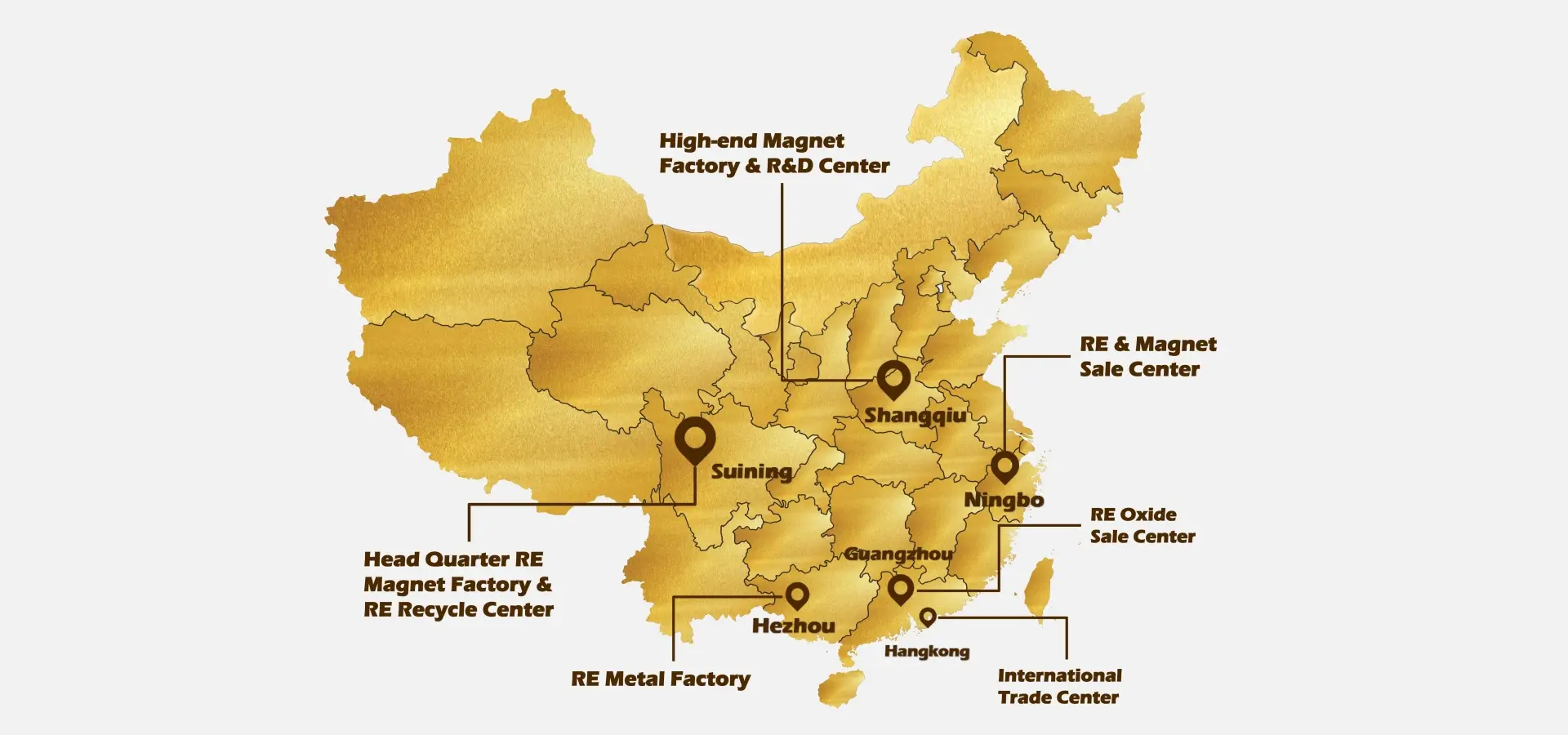
Since our inception in 1999, Zhejiang Laysun Magnetics Ltd. has evolved into a national high-tech leader in the production and development of rare earth permanent magnets. Our 100,000 m² state-of-the-art facility located in Sichuan houses advanced vacuum induction melting furnaces, hydrogen decrepitation systems, and jet mills, enabling an annual output capacity of 5,000 tons of high-performance NdFeB magnets.
We are committed to providing reliable, engineered magnetic solutions for Tier 1 automotive suppliers, wind energy companies, and global electronics manufacturers.
In rare-earth manufacturing, cost optimization and high precision require complete automation. At Zhejiang Laysun Magnetics, our manufacturing workflow is integrated with an advanced MES (Manufacturing Execution System) to ensure traceability across the entire value chain—from rare earth oxide extraction through vacuum sintering to final plating.
Our automation systems utilize closed-loop feedback controllers to manage strip-casting parameters, guaranteeing uniform alloy flake thickness between 0.25mm and 0.35mm. This consistency ensures reliable nitrogen-flow jet milling, which produces ultra-fine, narrow-distribution powders without excessive oxidation risks. The resulting sintered blocks have a highly homogeneous microstructure, which reduces performance variations in multi-part runs.
Magnetic application demands vary significantly across regional industrial clusters:
Verify our physical production spaces, global quality standards, and technical processing videos.
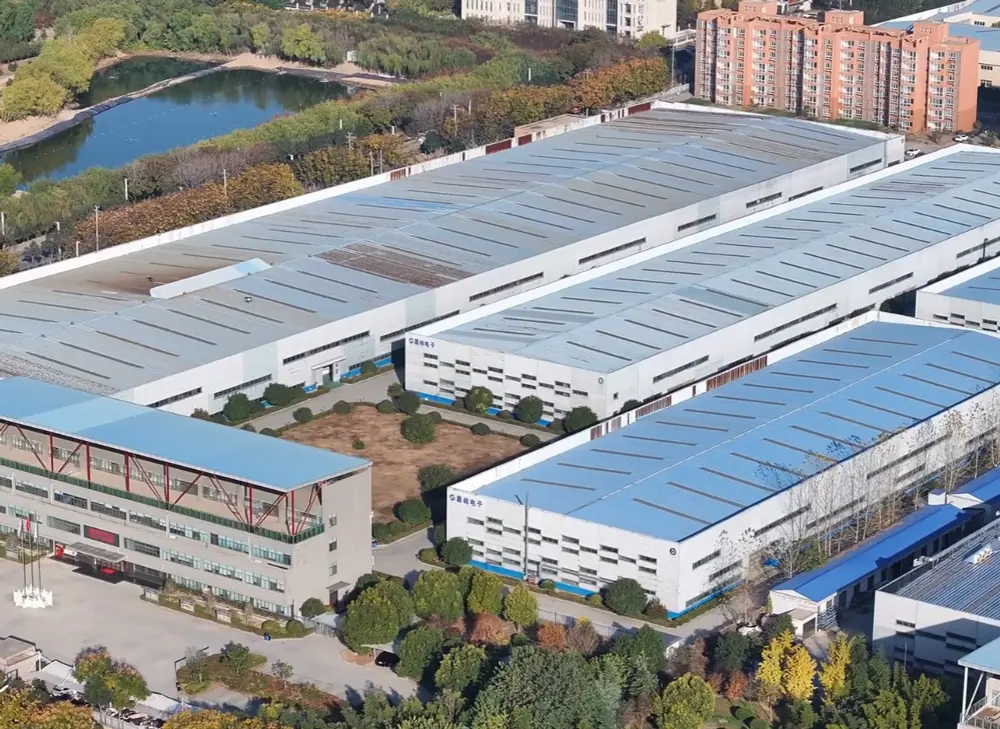
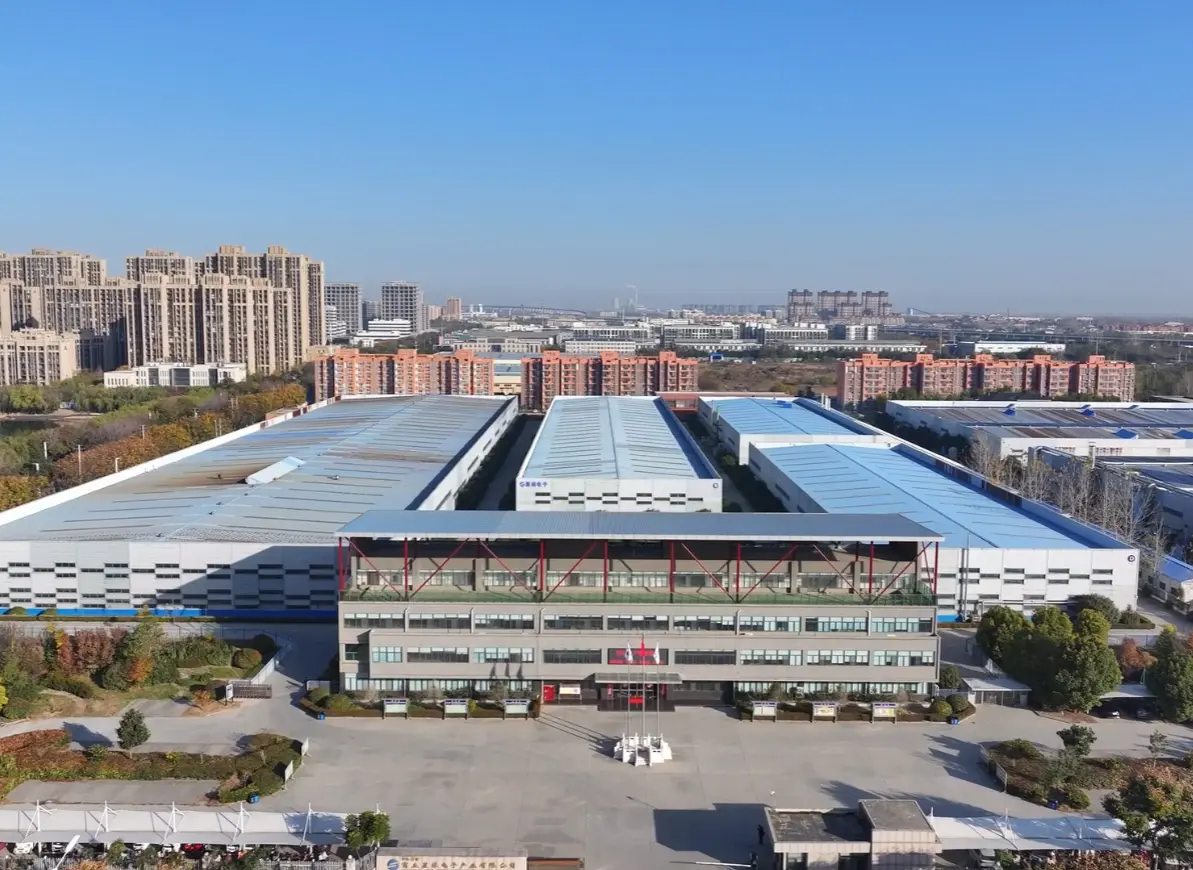
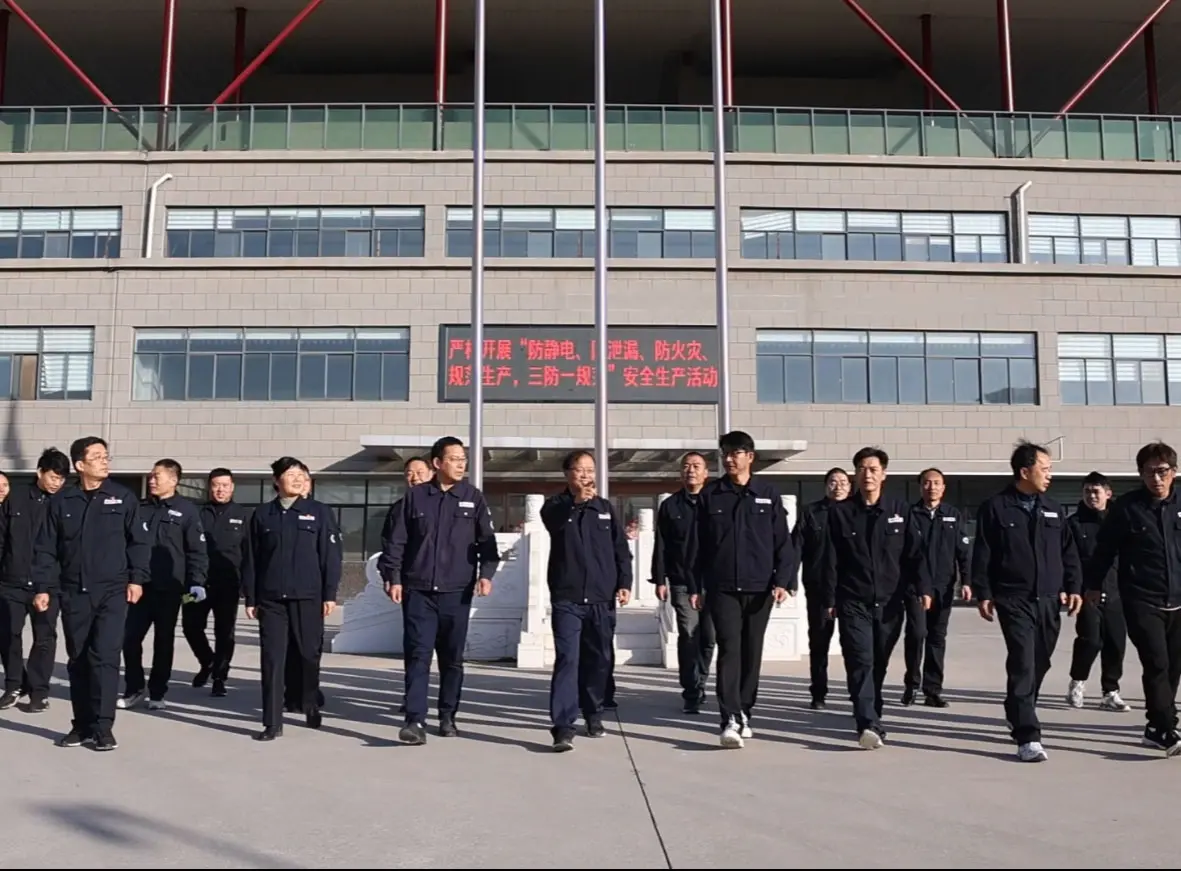
Our quality management systems meet the following global specifications: API 6D, API 607, CE, ISO9001, ISO14001, ISO18001, and IATF 16949 (TS). If you require copies of our official compliance certificates, please contact our export division.
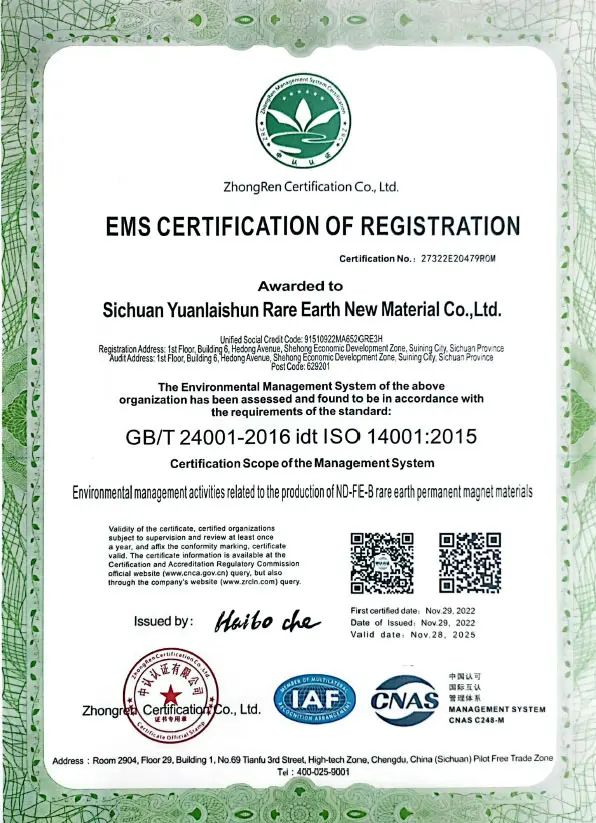
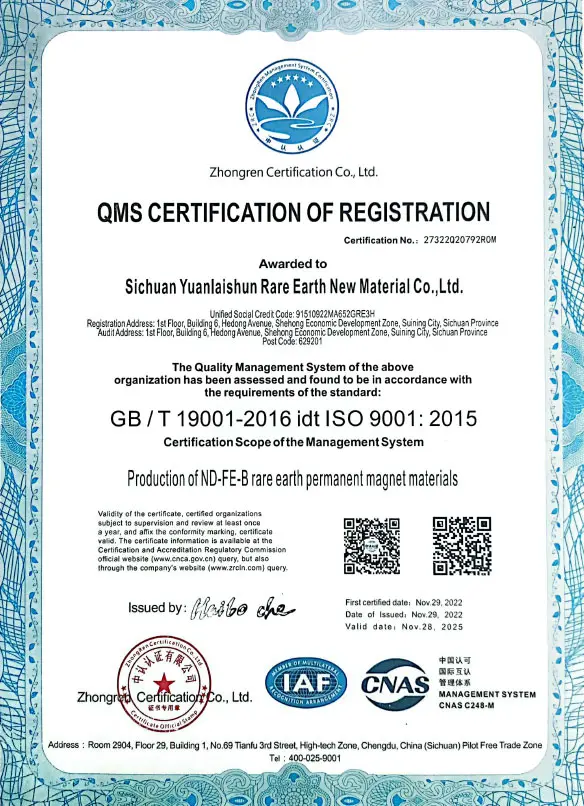
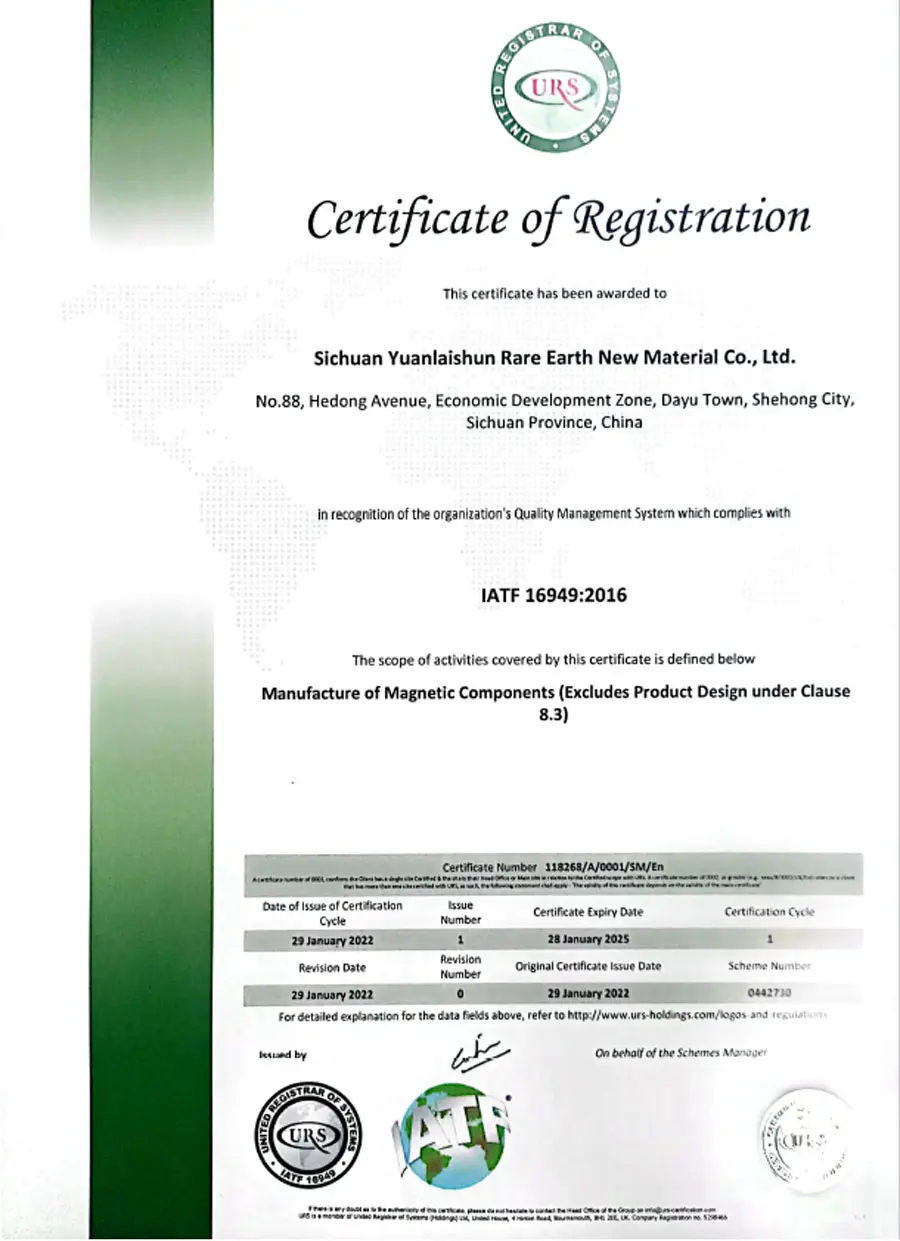
Providing custom-designed magnets and assemblies optimized for demanding environments.

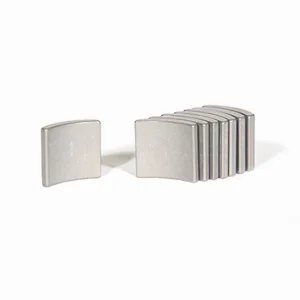
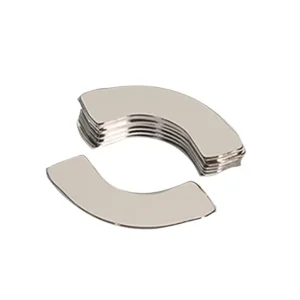
High-coercivity NdFeB segments supporting precision servo motor feedback loops.

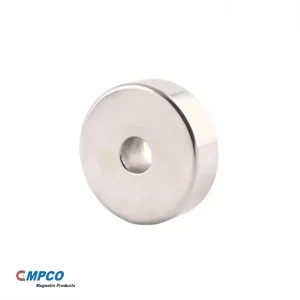
Ultra-lightweight, high-flux density ring magnets optimized for high RPM brushless motors.

Sintered laminates designed to minimize eddy current losses at high operational frequencies.
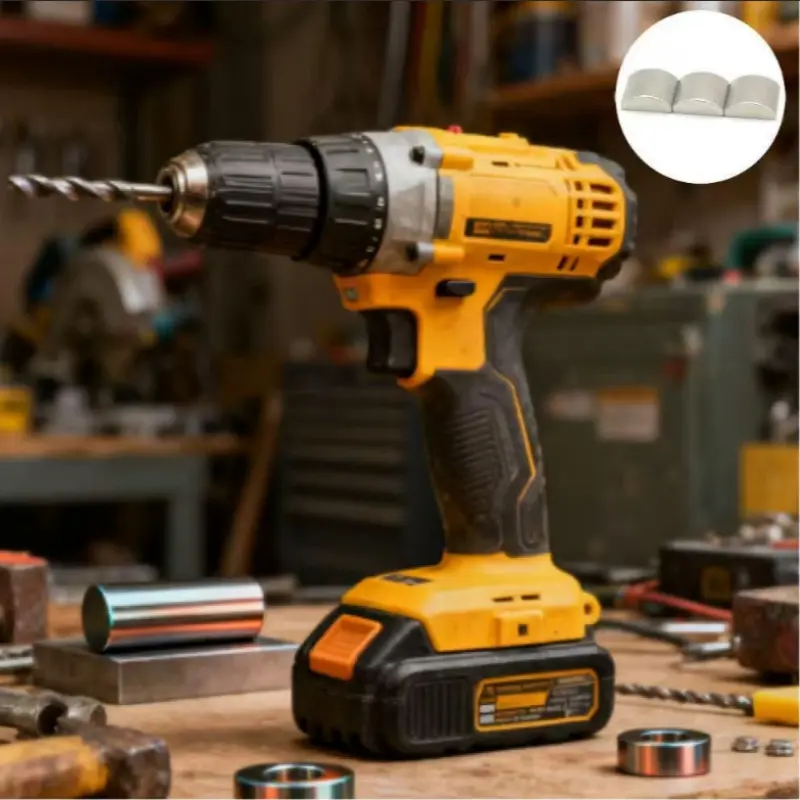
Robust mechanical integration featuring vibration-resistant bonding profiles.

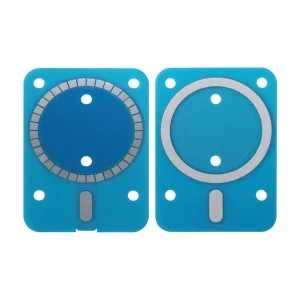
Micro-magnets optimized for smartphones, laptop hinges, and optical camera stabilizers.
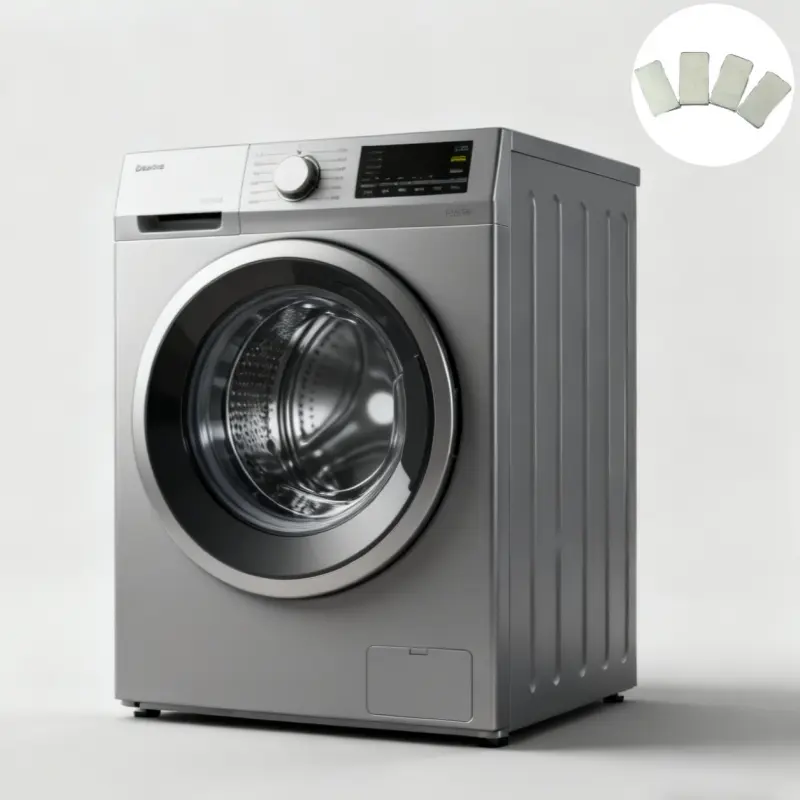
High-efficiency pump motors, compressor units, and magnetic latching arrays.
Technical answers to common design and integration challenges in magnetic materials.
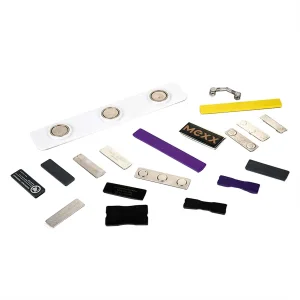
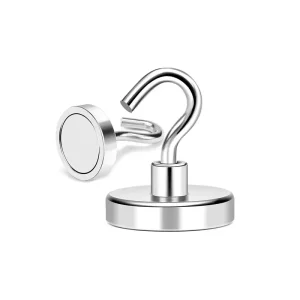
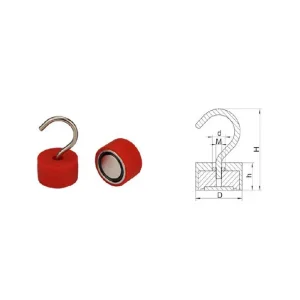
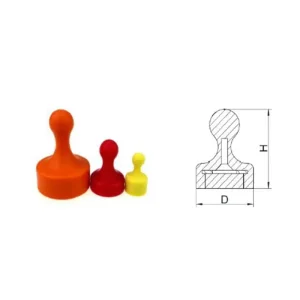
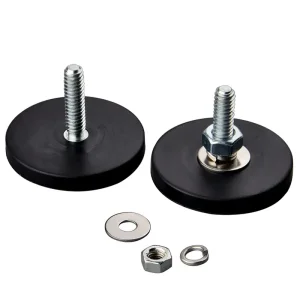
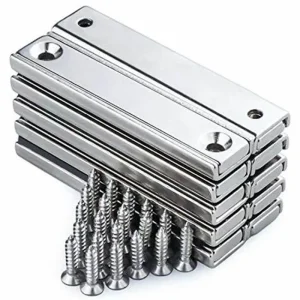
Standard and custom-engineered magnetic assemblies for mechanical, consumer, and structural applications.
 Laysun Magnetics