Explore our industrial-grade OEM custom magnets designed for high torque transmission, stability under thermal duress, and rigorous metrological requirements.
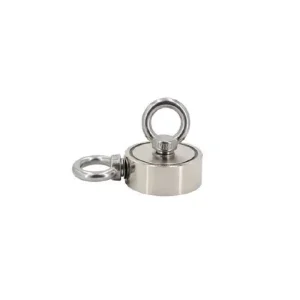
Zhejiang Laysun Magnetics Ltd. stands as a premier national high-tech leader specializing in the development, research, production, and worldwide distribution of high-performance rare earth NdFeB magnets and magnet assemblies. Founded at the turn of the millennium in 1999, the company has dedicated over two decades of engineering expertise to custom-tailored industrial magnetic configurations.
Operating a state-of-the-art manufacturing campus sprawling over 100,000 square meters in Suining, Sichuan, Laysun Magnetics bridges advanced material science with massive production scalability. With a dedicated team of over 300 experienced professionals, we annually deliver 5,000 tons of high-performance rare earth magnet solutions, powering electric vehicles, precision water meters, smart grids, industrial voice coil motors, and automation electronics globally.
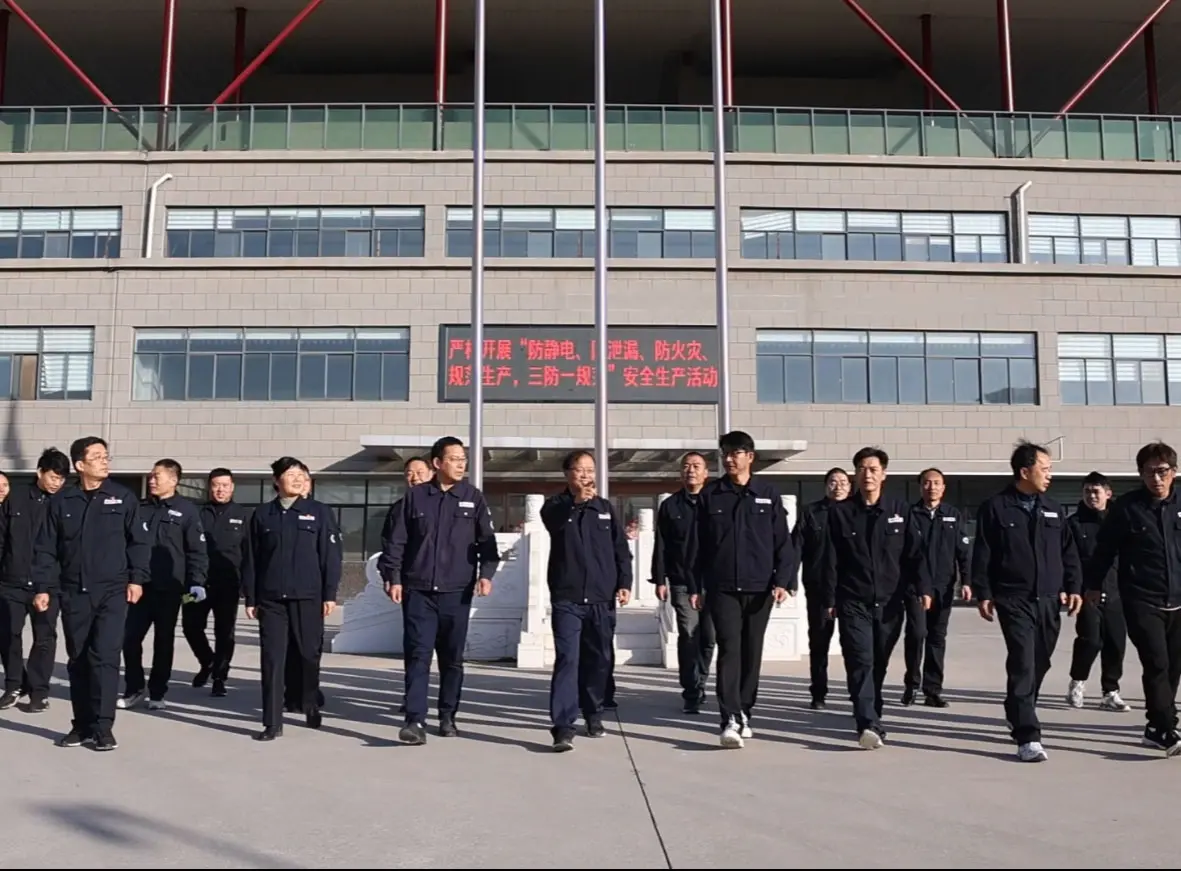
At Zhejiang Laysun Magnetics, quality control is woven into our metallurgical DNA. Our factories utilize vacuum induction melting (VIM), inert-gas jet milling, and advanced hydrogen decrepitation (HD) technology to formulate ultra-fine, uniform powder domains, crucial for high coercivity ($H_{cj}$) and thermal stability.
By controlling the entire process from raw material formulation to mechanical slicing and multi-pole magnetization, we deliver tight tolerances down to $\pm0.02$ mm, ensuring perfect magnetic balance and mechanical compatibility in precision instruments such as municipal dry-dial water meters.
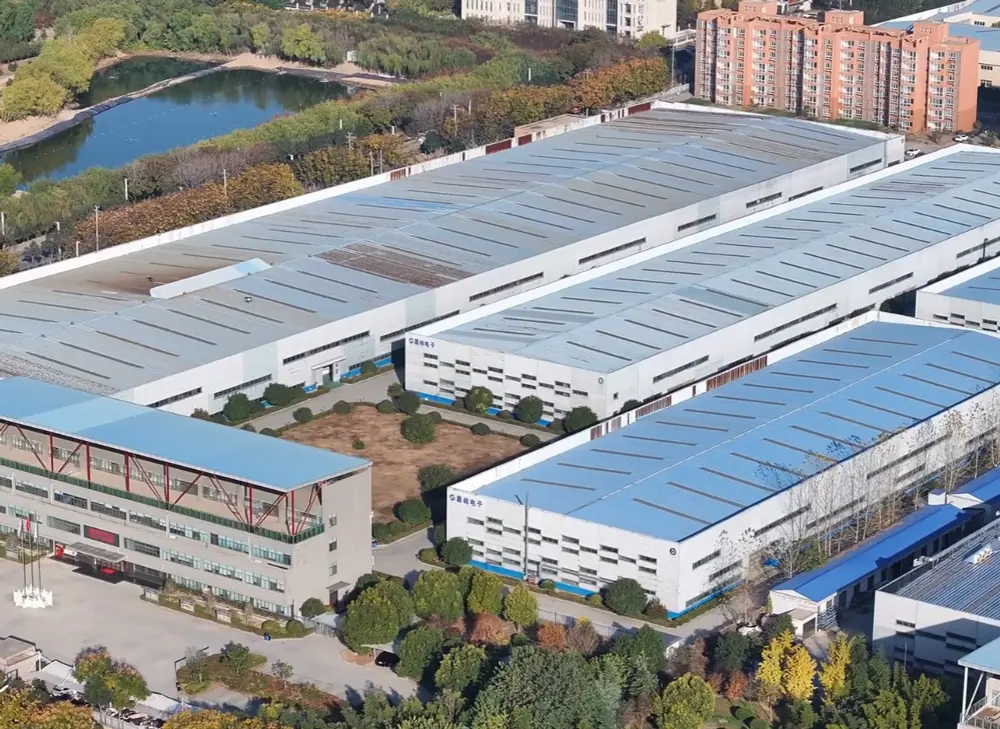
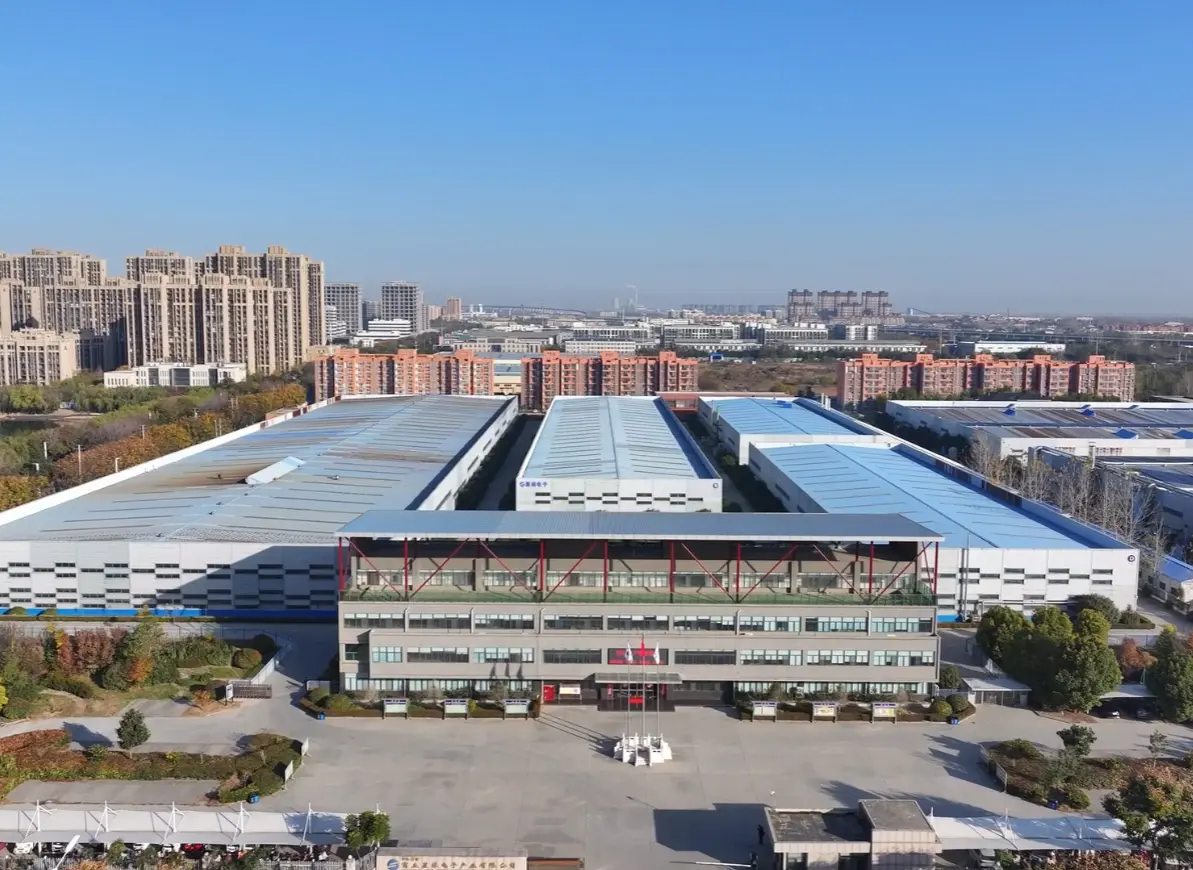
Analyzing the performance criteria, anti-tampering design paradigms, and material dynamics of NdFeB magnetic couplings in the global transition to AMR/AMI smart water meters.
Dry-dial water meters represent the standard in contemporary urban and industrial fluid measurement. Unlike wet-dial meters, where the gear train and register are fully submerged and vulnerable to sediment build-up, mineral calcification, and corrosion, dry-dial meters physically isolate the mechanical calculation register in a dry, sealed chamber. This isolation requires a highly reliable, low-slippage transmission mechanism: the magnetic coupling. The impeller or turbine in the wet chamber houses the driving magnet, while the register register in the dry chamber houses the driven magnet. As fluid flows, the magnetic force acts as a non-contact physical link, spinning the register synchronously with the impeller.
Historically, AlNiCo or Ferrite magnets were deployed in these couplings. However, their lower Maximum Energy Product ($(BH)_{max}$) required large, heavy geometries which increased inertia, led to high starter-flow limits ($Q_1$), and caused magnetic slip during rapid pressure spikes. The deployment of Sintered Neodymium-Iron-Boron (NdFeB) has revolutionized the industry. Offering magnetic energy densities up to ten times greater than Ferrite, Neodymium magnets enable miniaturized, low-inertia couplings. This yields a direct metrological advantage: lower starting flow rates, higher dynamic measuring ranges ($R$-ratio), and long-term calibration consistency over a 15-year operational lifecycle.
The minimization of magnet size reduces rotational inertia and mechanical friction. This enables the meter impeller to register minor flow changes, satisfying the strict requirements of ISO 4064 Class C and D, or $R160$ to $R400$ designations.
Neodymium couplings maintain strong angular alignment even under high hydraulic velocity or pressure transients, preventing metrological drift and registration loss at maximum flow rates ($Q_4$).
OEM customization allows multi-pole rings (e.g., 4-pole, 6-pole, or 8-pole configurations) to be integrated, optimizing axial force distribution while rendering the coupling highly resistant to external interference.
Water meters must operate reliably in diverse climates—from sub-zero installations in northern regions to hot water applications reaching up to $90^\circ\text{C}$ in industrial or district heating networks. The magnetic stability of NdFeB is highly temperature-dependent. As temperature rises, both the Remanence ($B_r$) and the Intrinsic Coercivity ($H_{cj}$) decline, characterized by the thermal coefficients $\alpha(B_r)$ and $\beta(H_{cj})$.
For standard Neodymium grades (e.g., N35), high temperatures can cause irreversible demagnetization if the operating point falls below the "knee" of the demagnetization curve. To mitigate this risk, Zhejiang Laysun Magnetics engineers specialize in high-coercivity grades (SH, UH, EH, and AH series). By using Grain Boundary Diffusion (GBD) technology, we reduce heavy rare earth (Dysprosium and Terbium) consumption while significantly elevating $H_{cj}$, maintaining absolute metrological precision up to $120^\circ\text{C}$ without compromising remanence. Below is a comparative representation of magnetic properties for water meter applications:
| Magnet Grade | Remanence ($B_r$) [Tesla] | Coercivity ($H_{cb}$) [kA/m] | Intrinsic Coercivity ($H_{cj}$) [kA/m] | Max Working Temp [$^\circ\text{C}$] | Application Context |
|---|---|---|---|---|---|
| 38H | 1.21 - 1.25 | $\ge 899$ | $\ge 1353$ | 120 | Standard Residential Dry-Dial Meters |
| 40SH | 1.24 - 1.28 | $\ge 923$ | $\ge 1592$ | 150 | Hot Water & High-Velocity Industrial Meters |
| 38UH | 1.20 - 1.24 | $\ge 899$ | $\ge 1990$ | 180 | District Heating Systems & Harsh Environments |
| 42EH | 1.28 - 1.32 | $\ge 955$ | $\ge 2387$ | 200 | Heavy Duty Industrial Metrology / High Vibration |
One of the primary concerns for water utilities globally is magnetic tampering. An individual might place a powerful external permanent magnet (often a large NdFeB block magnet) on the exterior of the water meter housing. The external flux can penetrate the casing, overwhelm the internal coupling, and freeze the register mechanism, leading to unregistered water usage and revenue loss. International standards, such as ISO 4064:2014 and OIML R49, mandate that water meters must resist external magnetic tampering of specified field strengths (often up to 100 mT or higher, and in some markets, up to 1500 Gauss).
To combat this, OEM engineers must design defensive shielding mechanisms. Zhejiang Laysun Magnetics assists meter manufacturers through magnetic simulation software (FEA) to model external field behavior. We offer two core solutions:
Our NdFeB technology is deployed in critical industries worldwide, from water metrology to robotics, electric mobility, and precision consumer electronics.



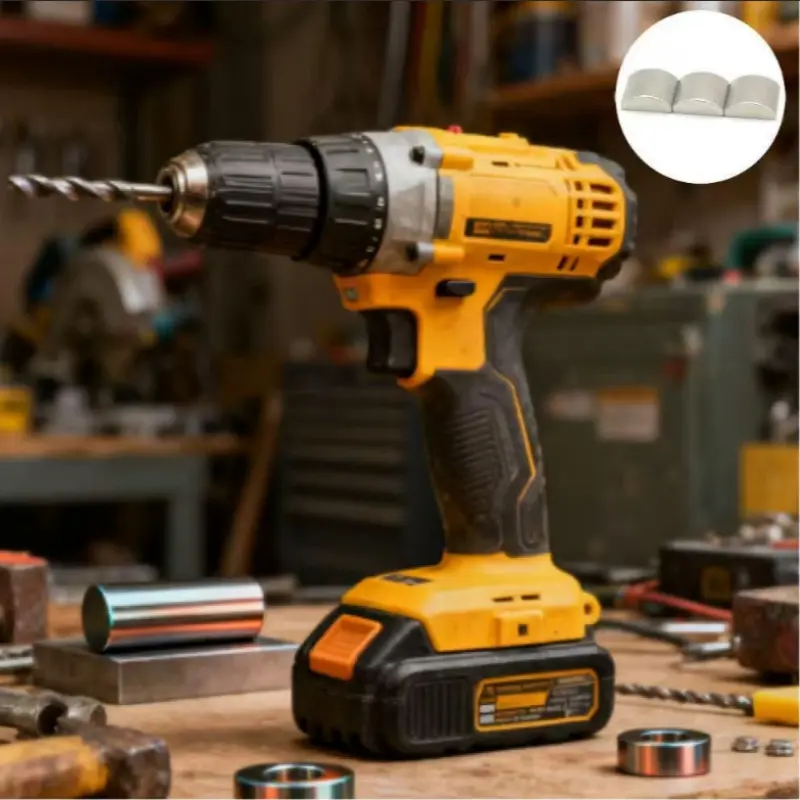

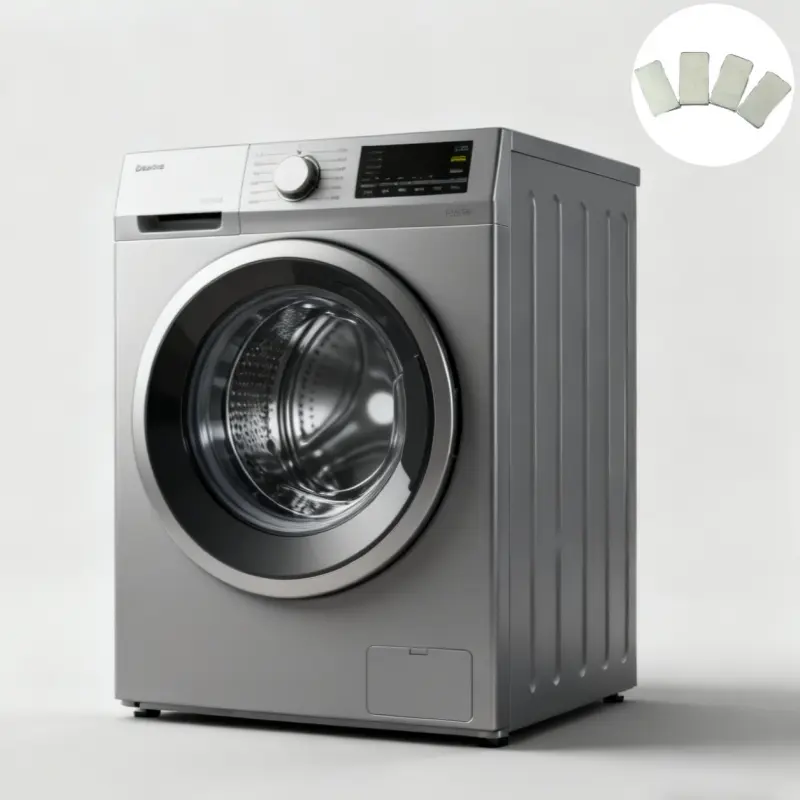
Zhejiang Laysun Magnetics Ltd. is headquartered in Hangzhou, China, with a primary 100,000 m² high-capacity manufacturing base in Suining, Sichuan. Our logistics infrastructure is optimized for rapid container dispatch and air-freight routing. By utilizing multi-modal transport lines, we ensure punctual, damage-free deliveries to smart meter factories in North America, Western Europe, Southeast Asia, and South America.
To support high-precision manufacturing, our facilities utilize advanced metrological equipment, including 3D mapping CNC machines, automated magnetic flux scanners, and industrial salt-spray corrosion chambers. This ensures our NdFeB magnets maintain coating integrity in humid, underground municipal installations.
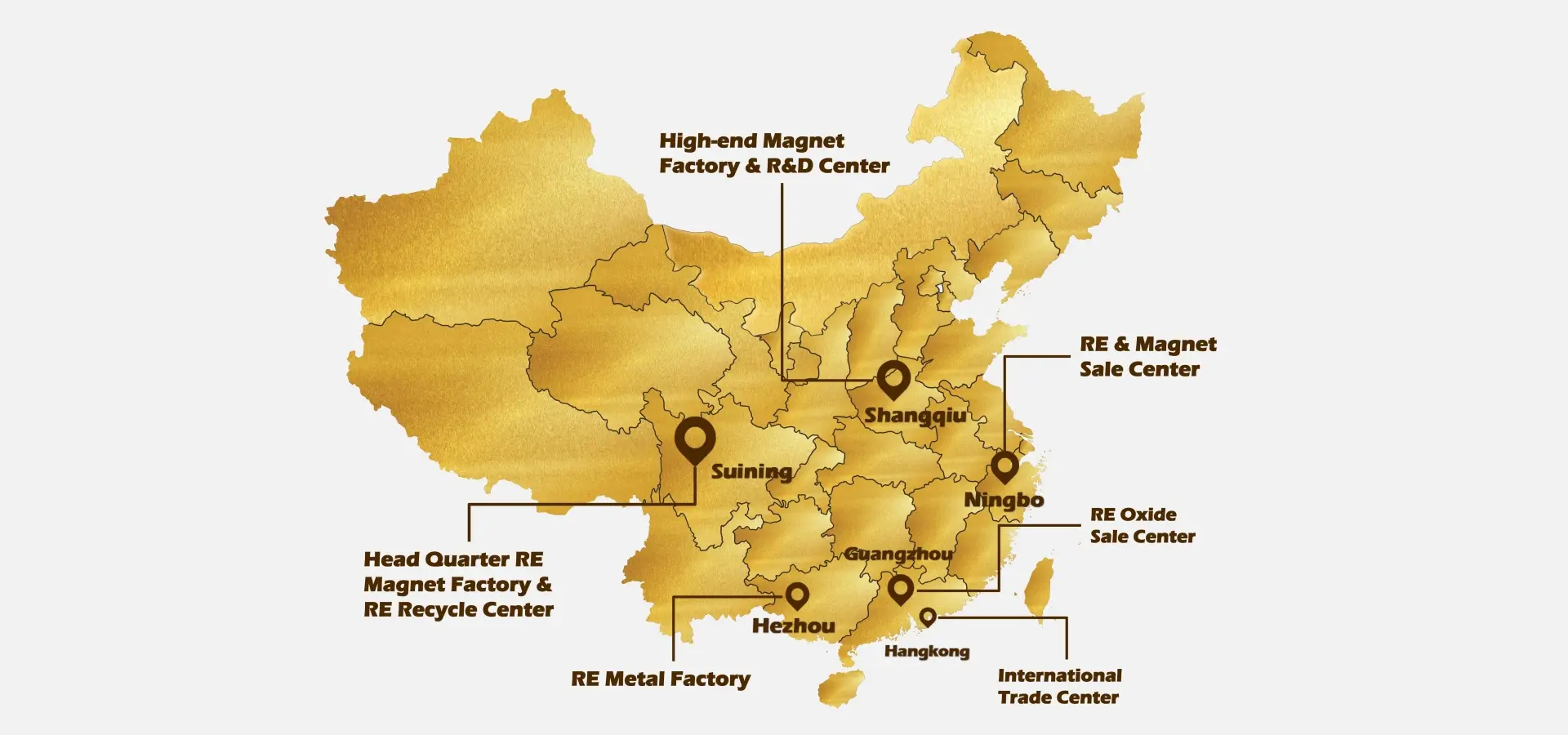
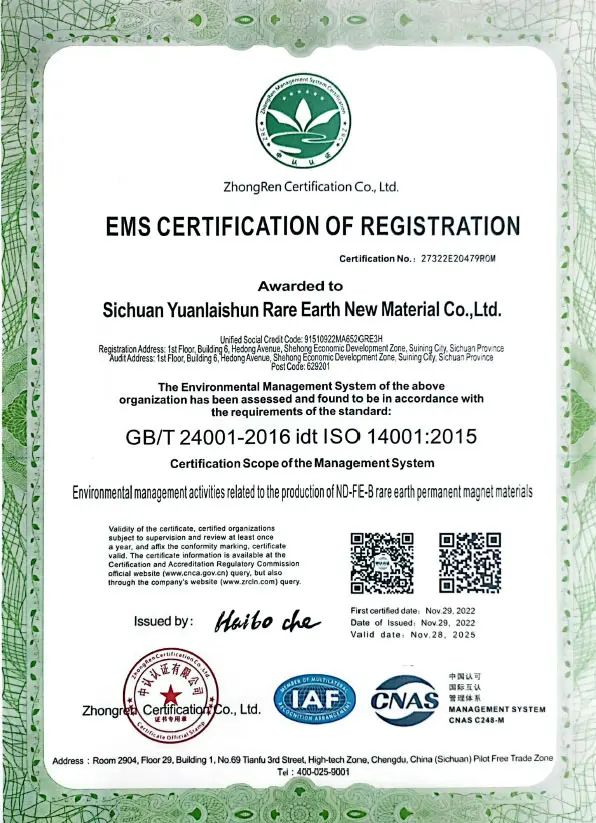
We operate under rigorous international quality frameworks to ensure compliance across precision engineering sectors, including API 6D, API 607, CE, ISO 9001, ISO 14001, OHSAS 18001 (ISO 45001), and TS16949.
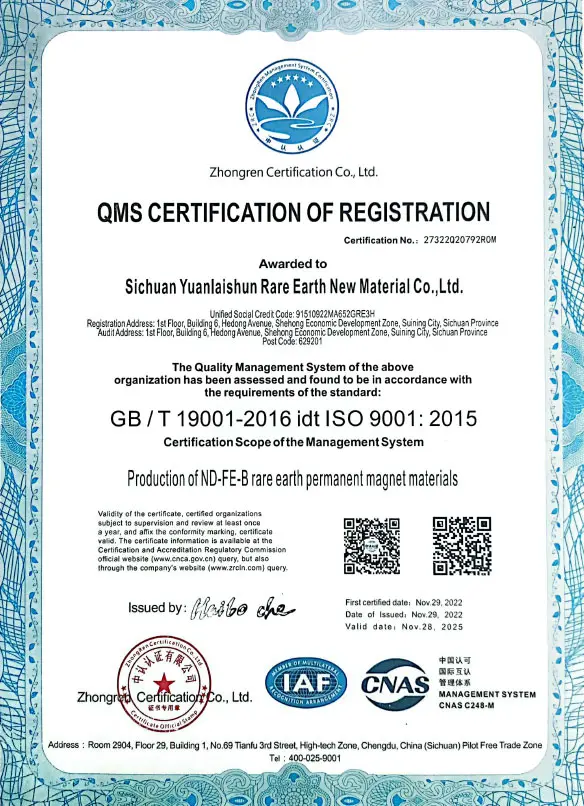
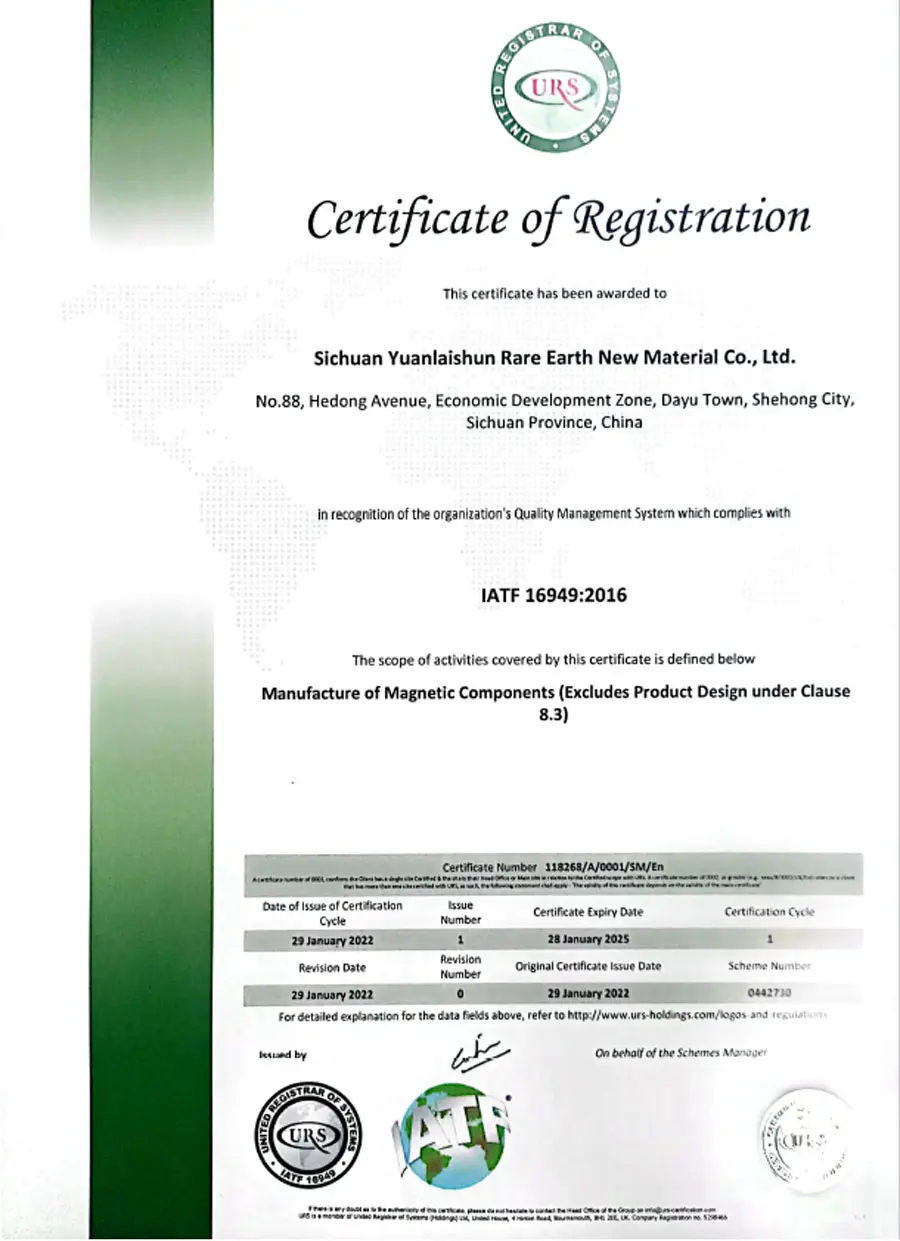
Our products feature advanced surface coatings, including multi-layer Nickel-Copper-Nickel (Ni-Cu-Ni), epoxy, and Parylene, ensuring maximum lifespan and resistance in harsh environments.
Essential answers to design challenges, material selections, and performance considerations for smart metrology engineers.
 Laysun Magnetics