Explore our foundational engineering inventory. Highly customizable designs matching global OEM/ODM specifications.
Empowering global technologies with next-generation magnetic solutions.
Zhejiang Laysun Magnetics Ltd. is a national high-tech leader specializing in the R&D, manufacturing, and global exportation of advanced rare earth magnets. Established in 1999, we have navigated over two decades of metallurgical evolution, establishing a vertical manufacturing base spanning 100,000 square meters in Sichuan, alongside customer support networks globally.
Our focus on high-performance NdFeB materials, combined with heavy rare earth innovations such as Holmium (Ho) and Dysprosium (Dy) alloying, has enabled us to serve critical fields: industrial automation, defense systems, cryogenic science, and electric drivetrains.
Analyzing atomic physics, magnetic polarization, and performance under extreme temperatures.
Holmium (Ho, atomic number 67) is a heavy rare earth element from the lanthanide series that exhibits the most extreme magnetic properties of all naturally occurring elements. Specifically, it boasts the highest magnetic moment ($10.6\ \mu_B$ per atom), which is significantly higher than that of iron, cobalt, or nickel. This characteristic forms the foundation for its deployment in high-intensity magnetic flux concentrators and advanced cryogenic applications.
At ambient temperatures, pure Holmium displays simple paramagnetism. However, as it is cooled to its Curie temperature of 20 K (-253°C), it undergoes a phase transition to a ferromagnetic state. In this low-temperature regime, Holmium-alloyed components or pure Holmium pole pieces are capable of focusing and directing magnetic flux lines with unmatched density. This makes Holmium irreplaceable in superconducting magnetic resonance imaging (MRI) machines, nuclear magnetic resonance (NMR) spectrometers, and high-field research magnets.
Unlike traditional soft magnetic materials such as pure iron or vanadium permendur, which saturate at around 2.1 to 2.4 Tesla, Holmium achieves a saturation polarization ($J_s$) exceeding 3.8 Tesla at cryogenic temperatures. This enables a massive reduction in the footprint of superconducting magnet systems while enhancing the localized magnetic field strength, creating a highly focused field directly at the target zone.
In OEM applications, pure holmium metal is often difficult to work with due to its mechanical softness and susceptibility to rapid oxidation. Zhejiang Laysun Magnetics Ltd. resolves these challenges through two primary technological avenues:
Our research agenda focuses on pushing the boundaries of magnetic saturation and energy efficiency.
Applying Holmium diffusion processes directly into sintered NdFeB systems. By selectively locating Holmium atoms along grain junctions, we increase the intrinsic coercivity ($H_{cj}$) under high thermal loads while minimizing the consumption of expensive heavy rare earths, ensuring a cost-competitive OEM solution.
Engineering nanoscale Holmium thin-films for use in quantum computing systems. At milli-Kelvin temperatures, structured Holmium patterns act as passive flux-guides that shield sensitive qubit architectures from stray electromagnetic interference.
Developing Holmium-doped rotor assemblies optimized for aerospace applications and liquid hydrogen pump motors, achieving power-density levels previously impossible with standard magnetic grades.

Securing rare earth supply lines for global aerospace, medical, and industrial sectors.
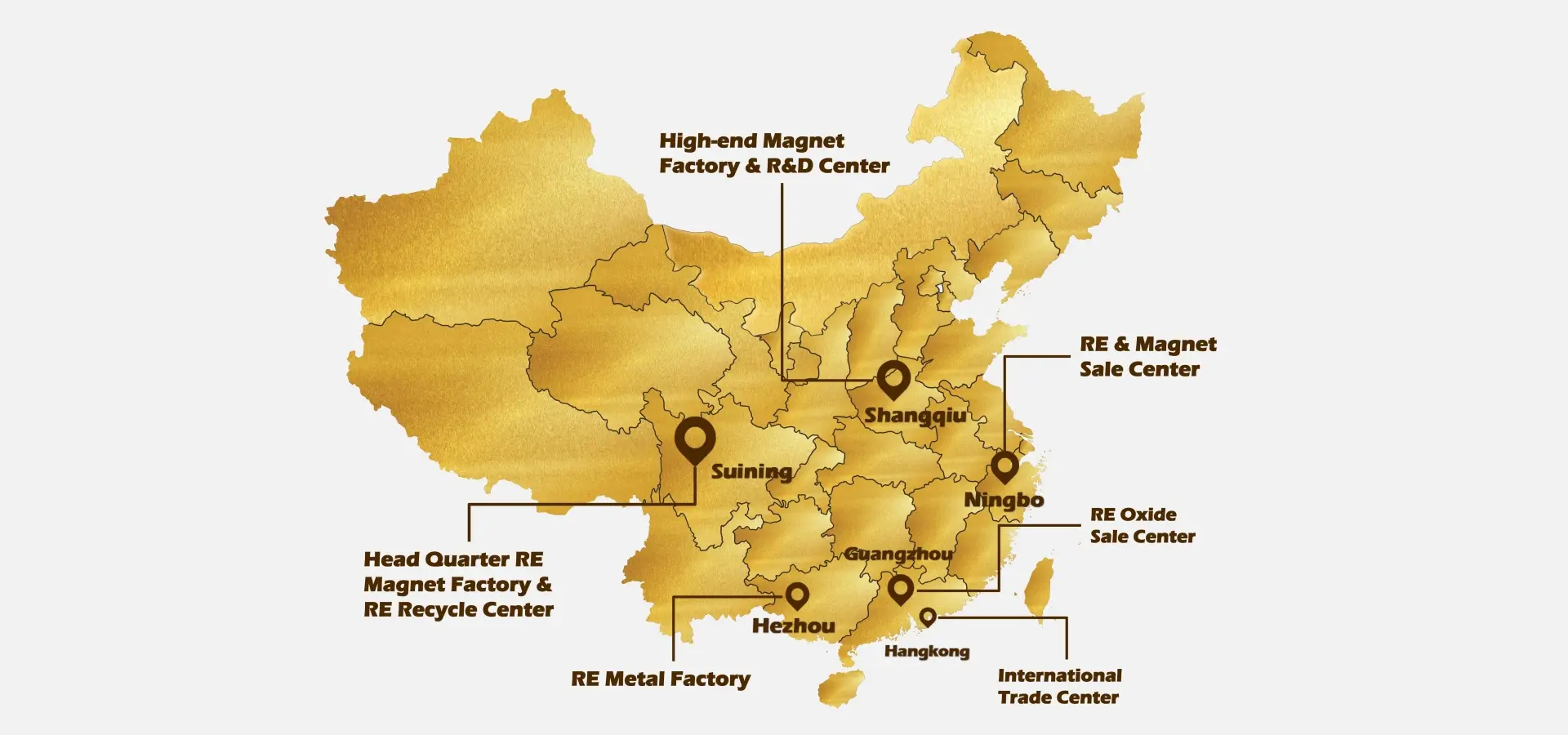
Global suppliers face constant volatility due to shifting trade dynamics and restricted raw mineral channels. Zhejiang Laysun Magnetics Ltd. provides an insulated supply pipeline. Our major production base is situated in Suining, Sichuan—a region closely connected to major ionic clay mineral deposits which are the primary source of heavy rare earths like Holmium.
This geographic proximity guarantees direct access to raw oxides, avoiding the transport bottlenecks and raw material markups that affect overseas suppliers. By managing everything from vacuum induction melting to final block machining in-house, we control costs and guarantee stable supply timelines for our global distribution partners.
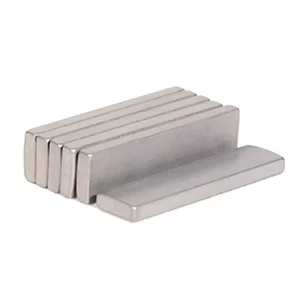
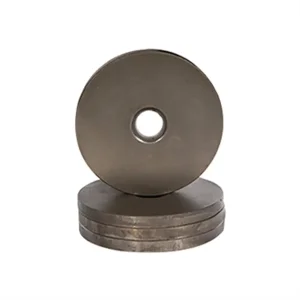
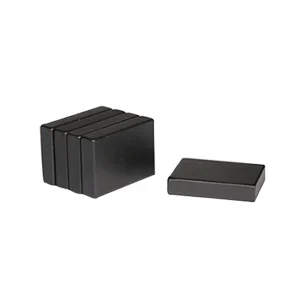
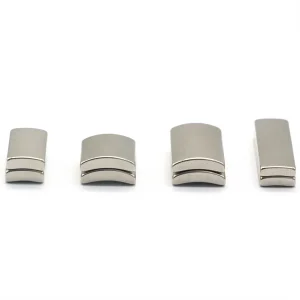
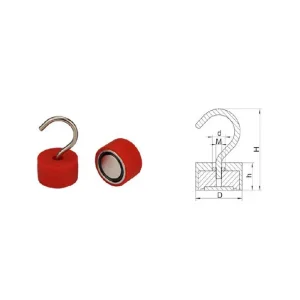
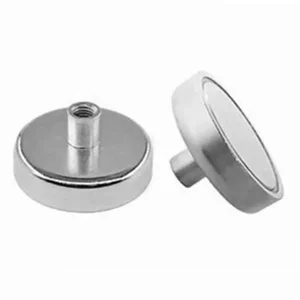
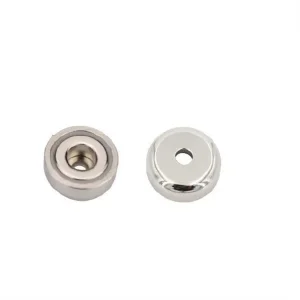
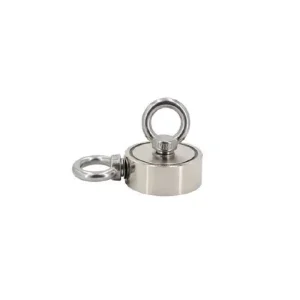
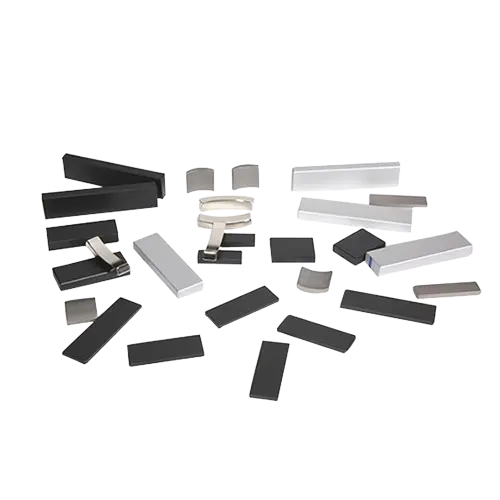
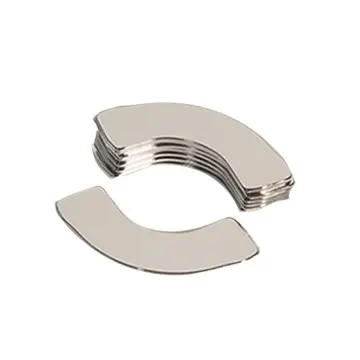
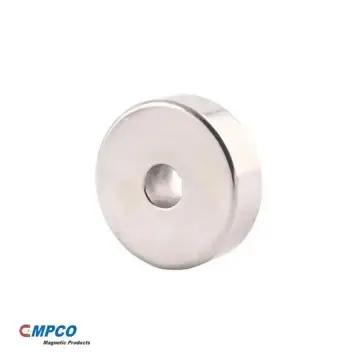
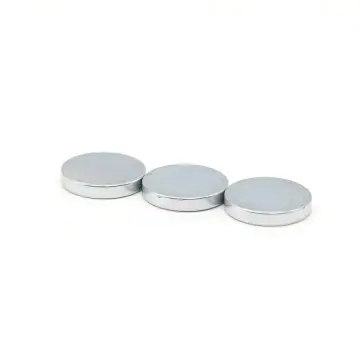
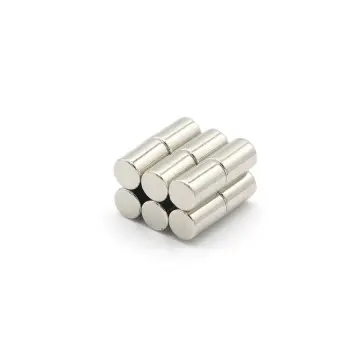
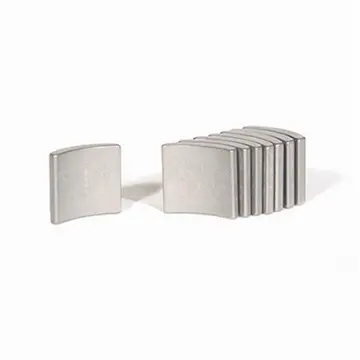
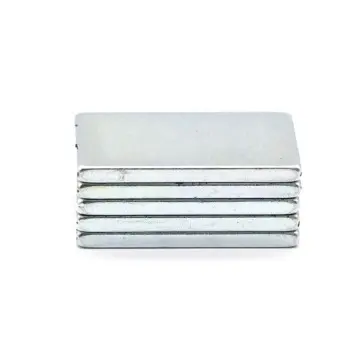
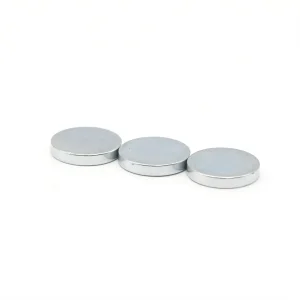
Our core manufacturing capabilities cover diverse shapes, coatings, and specific industrial functions.
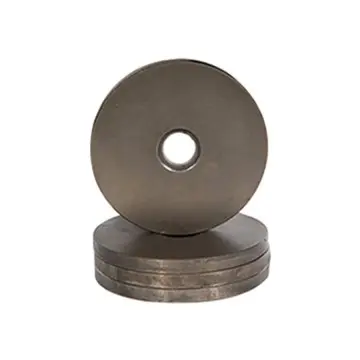
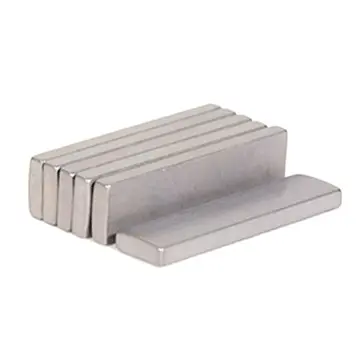
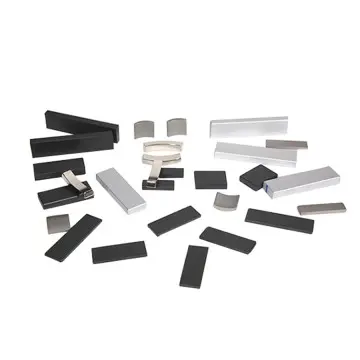
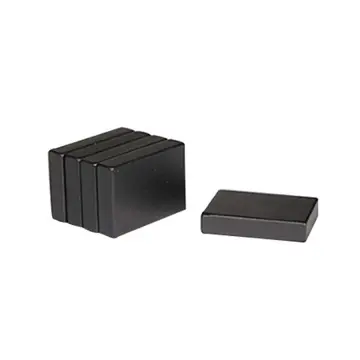
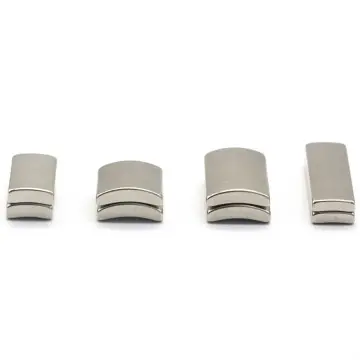
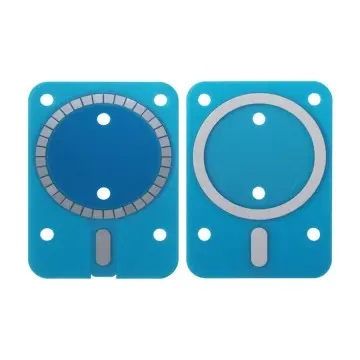
Our magnetic components are integrated into high-reliability fields worldwide.






Meeting documentation requirements for major global markets.
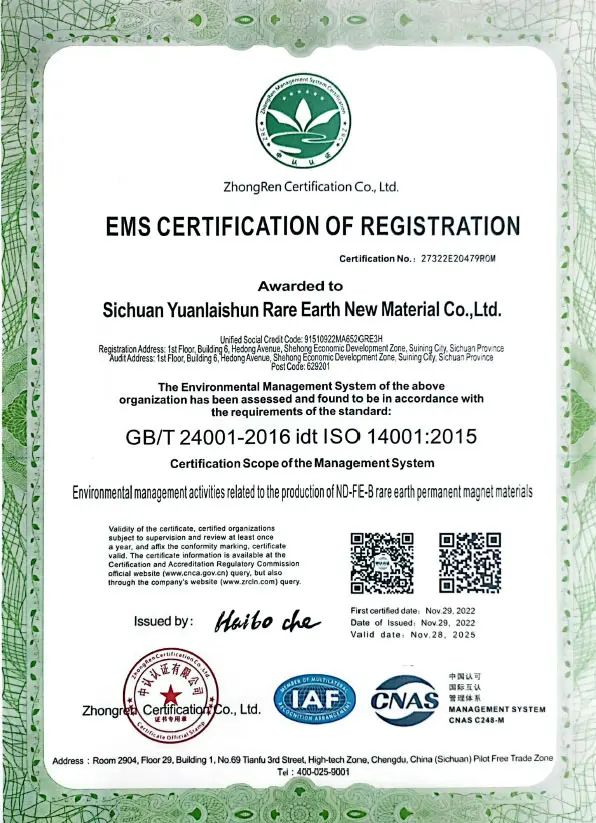
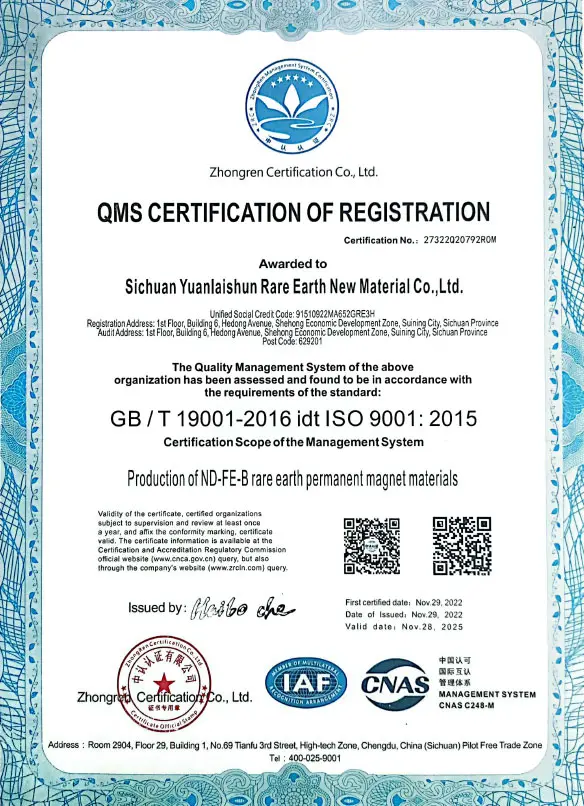
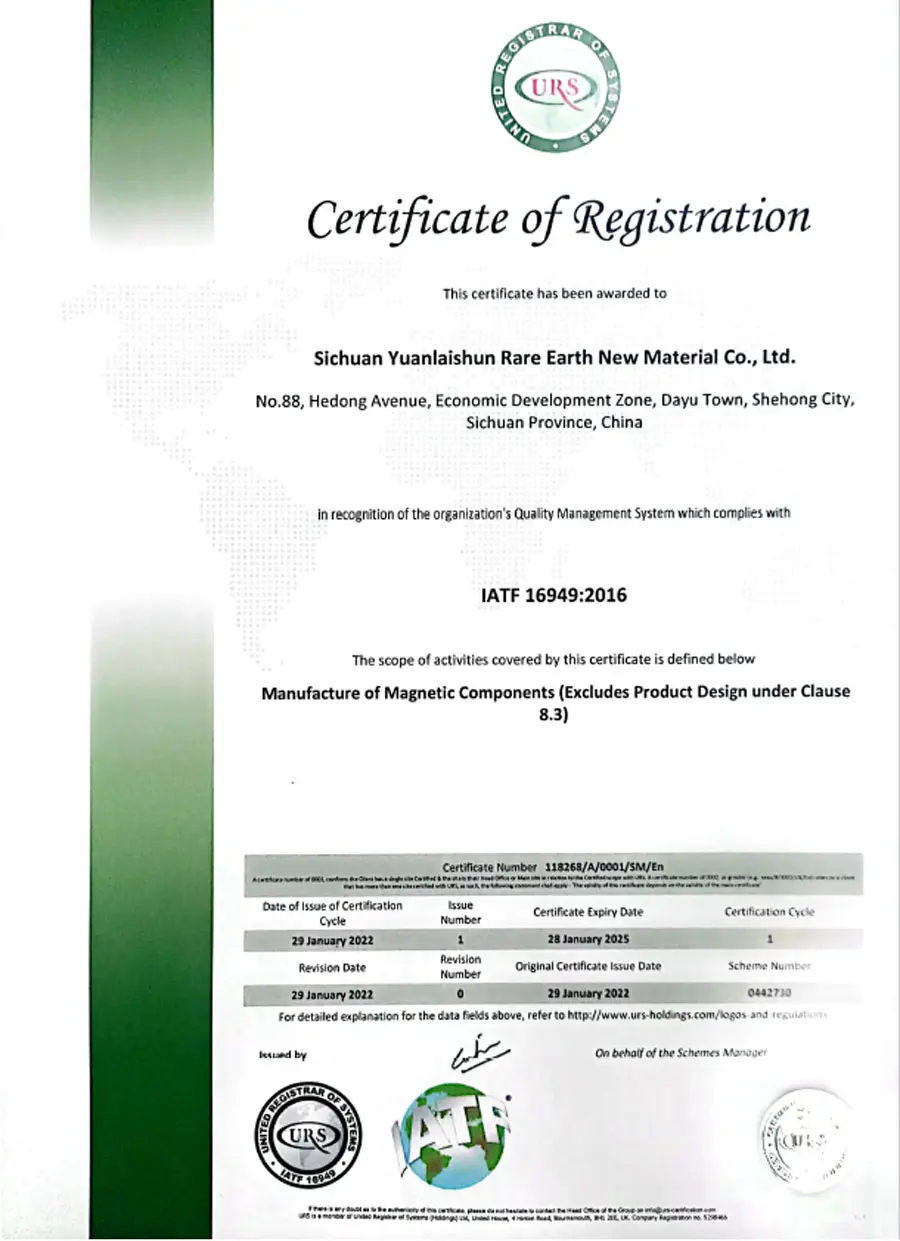
Zhejiang Laysun Magnetics Ltd. meets strict quality, safety, and traceability standards required by international buyers. Our quality systems align with API 6D, API 607, CE, ISO 9001, ISO 14001, and ISO 45001. We maintain comprehensive documentation for all rare earth materials, confirming full compliance with RoHS, REACH, and conflict mineral regulations.
Through our technical centers and distribution nodes, we provide end-to-end support. This includes customized product development, FEA simulation support, surface finish evaluations, and rapid metallurgical testing to resolve complex integration challenges.
Expert answers addressing materials science, magnetic properties, and manufacturing options.
Holmium possesses a unique electronic structure in its 4f subshell, with 10 electrons ($4f^{11}$ configuration). The alignment of these inner electron spins, combined with orbital angular momentum, yields a theoretical magnetic moment of $10.6\ \mu_B$ per atom. When cooled to its ferromagnetic state below 20 K, these moments align to create an extremely high magnetic saturation ($J_s$), outperforming other magnetic materials like Dysprosium, Terbium, or Iron-Cobalt alloys at cryogenic temperatures.
Holmium pole pieces are primarily used to focus magnetic flux lines in high-field superconducting magnets. Since Holmium does not saturate until fields exceed 3.8 Tesla at cryogenic scales, it acts as an efficient flux concentrator. Key applications include superconducting MRI systems, NMR spectroscopy devices, and scientific experimental chambers where localized magnetic field strength must be maximized within a small volume.
Yes, Holmium can be co-doped with Dysprosium (Dy) or Terbium (Tb) during the vacuum induction melting stage of sintered NdFeB manufacturing. The addition of Holmium increases the material's intrinsic coercivity ($H_{cj}$), improving its thermal stability and resisting demagnetization under operational heat loads. This configuration is widely used in high-efficiency electric vehicle traction motors and wind turbine generators.
Like most lanthanides, Holmium is highly reactive and prone to oxidation in humid or ambient environments. For components operating in cryogenic vacuum environments, we recommend a high-purity multi-layer electroplated Nickel-Copper-Nickel (Ni-Cu-Ni) coating. For harsher environments, we provide organic epoxy, zinc flake, or ultra-thin parylene coatings to ensure long-term stability.
Our manufacturing base in Sichuan operates under direct procurement agreements with major domestic mining enterprises. Each batch of raw rare earth oxide (including Holmium oxide, Neodymium metal, and Dysprosium) is supplied with a certified certificate of analysis (COA) detailing ICP-MS purity levels. We provide full material traceability reports from raw powder processing to final component delivery.
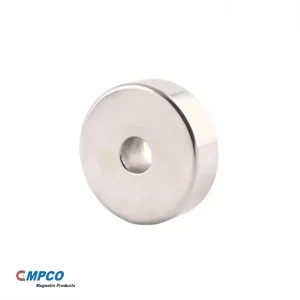
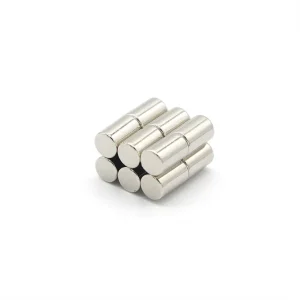
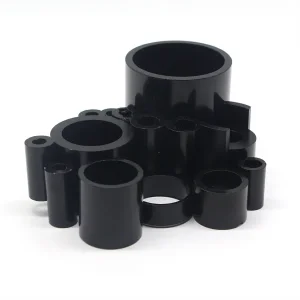
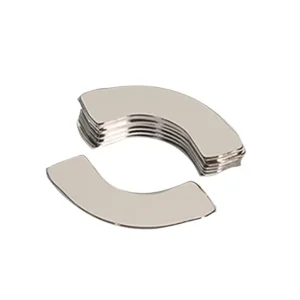
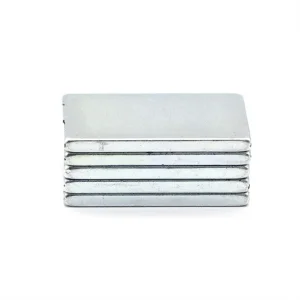
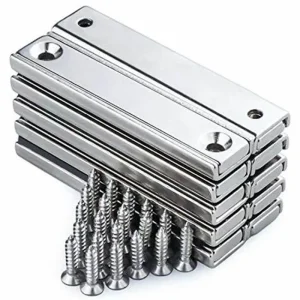
Custom configurations for industrial motors, acoustic transducers, and holding systems.

Connect directly with our engineering department. We offer magnetic path simulation, mechanical design support, and rapid quoting within 24 hours.
Submit RFQ / Contact Us Laysun Magnetics