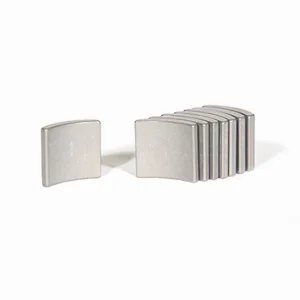
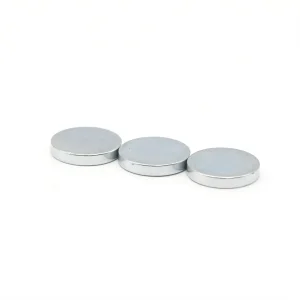
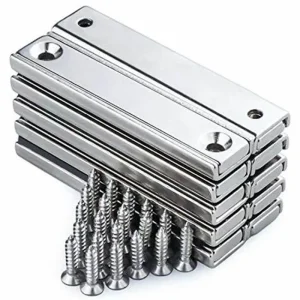
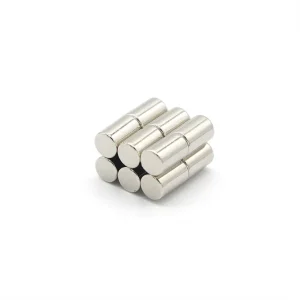
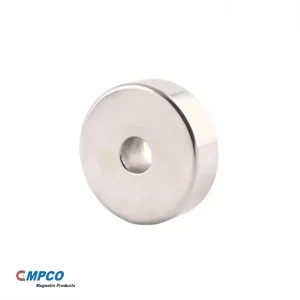
Explore our high-performance NdFeB magnet solutions designed to meet rigorous medical, automotive, and industrial specifications.
A National High-Tech Pioneer in Rare Earth Materials Since 1999
Welcome to Zhejiang Laysun Magnetics Ltd., your trusted global partner in the design, research, manufacturing, and supply of advanced magnetic solutions. Since our inception in 1999, we have established ourselves as an industry leader in manufacturing high-performance rare earth permanent magnets, specifically sintered and bonded Neodymium Iron Boron (NdFeB). Our persistent drive for material optimization, quality management, and innovative processes has enabled us to serve complex engineering markets globally.
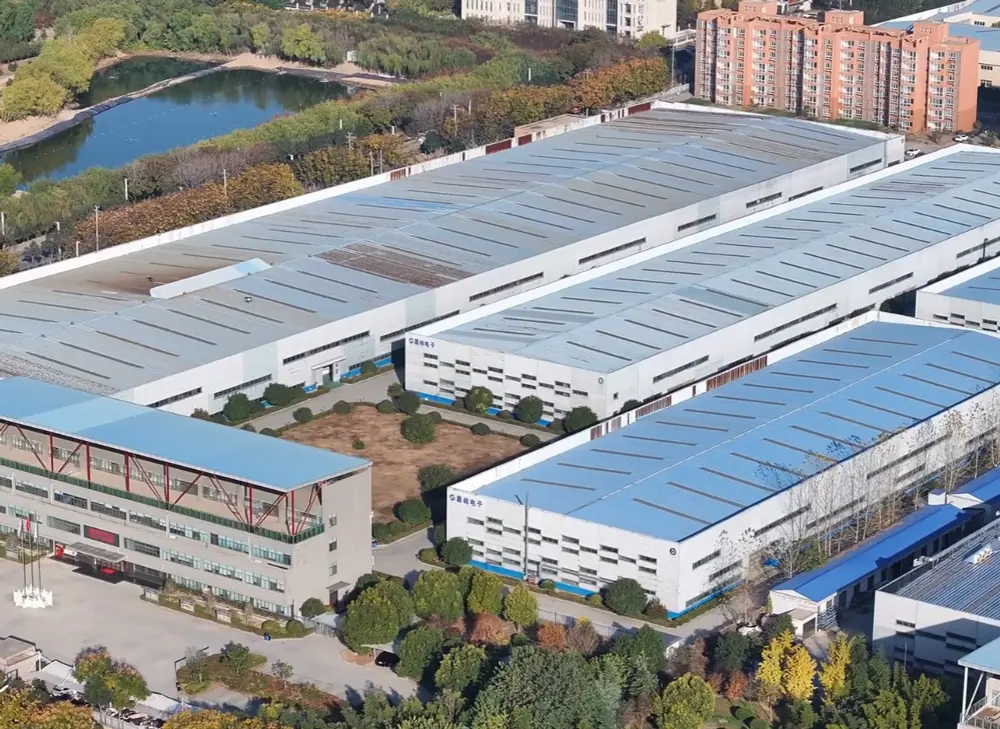
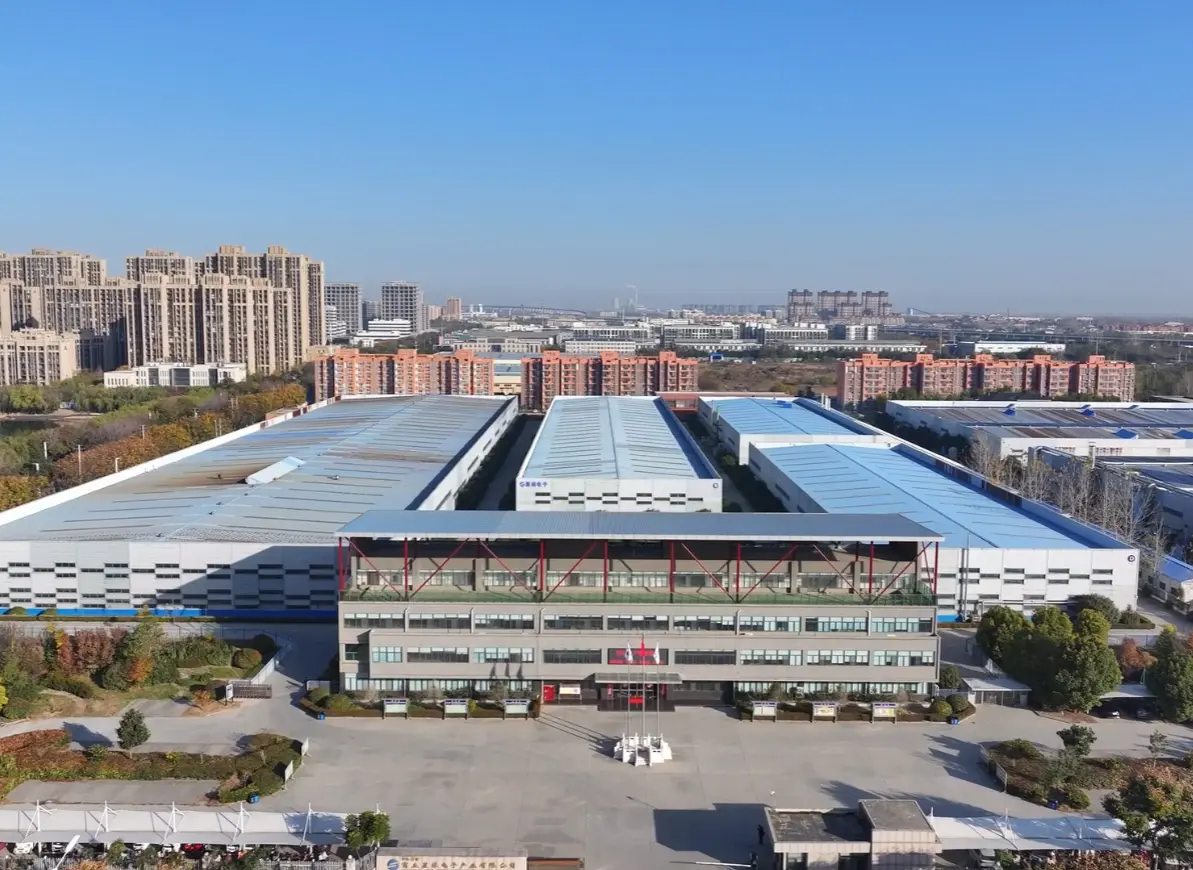
Headquartered in Hangzhou, Zhejiang, with major advanced manufacturing operations spanning a massive 100,000 square meters in Suining, Sichuan, we operate at a scale that allows us to manage rigorous high-volume supplies. Our professional and dedicated workforce of 300 employees is committed to producing an annual output exceeding 5,000 tons of high-grade rare earth magnets, which find applications across critical technological sectors.
A Deep Technical Exploration of Magnetic Field Interaction with Biological Systems
Neodymium magnets, or NdFeB (Neodymium-Iron-Boron) magnets, are the strongest type of permanent magnets commercially available. Originally developed for heavy industrial and electronic uses—such as electric vehicle drivetrains and voice coil motors—their exceptional magnetic field density has revolutionized the health, wellness, and medical rehabilitation sectors. But what is the actual mechanism behind Neodymium magnets for healing applications?
From an biophysical standpoint, the human body is highly responsive to magnetic fields. Cell membranes maintain a subtle electrical resting potential, and many vital processes rely on ionic exchange across cellular boundaries. When high-intensity magnetic fields (ranging from 1,000 Gauss up to 10,000 Gauss) pass through tissues, they interact with key biological processes:
For applications where magnets come into contact with the skin (e.g., healing bracelets, posture support braces, orthotics, sleep pads), standard nickel plating (Ni-Cu-Ni) may cause skin allergies. Zhejiang Laysun Magnetics specializes in manufacturing magnets with custom epoxy, gold, parylene, and medical-grade rubber/silicone coatings. These coatings prevent corrosion from sweat and skin moisture while ensuring complete bio-compatibility.
Our NdFeB healing magnets are engineered to maintain their magnetism over decades. Demagnetization resistance is critical for healing devices that undergo repetitive stress or heat sterilization. With high coercivity grades (such as N35SH, N38UH, or N42EH), our magnets resist thermal degradation up to 120°C and higher, making them suitable for long-term health and medical use.
How Modern Industries Leverage High-Performance NdFeB for Health, Wellness, and High-Performance Sectors
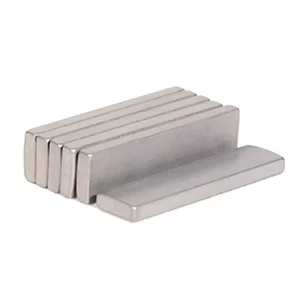
Manufacturers integrate high-grade Neodymium disc and block magnets into therapeutic back braces, joint stabilizers, and dynamic sleep matrices to support circulation and muscle relief.
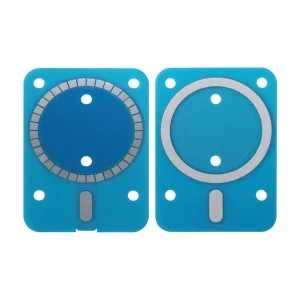
Modern diagnostic bands use precise magnetic circles and rings to couple sensors to the skin, leveraging magnetic currents to improve accuracy and stabilize data streams.
Beyond alternative medicine, our core high-tech products provide torque conversion and position sensing for electric power steering (EPS) and robotics, illustrating our broad manufacturing capabilities.
Core Values of Zhejiang Laysun Magnetics Ltd.: At Laysun Magnetics, our ethos is built on four pillars - Quality, Credibility, Technology, and Innovation. These values are the cornerstones of our operations, guiding us in delivering products that meet and exceed the expectations of our clients.
Commitment to Innovation: Our relentless pursuit of technological advancement is not just about staying ahead of the curve; it's about setting new standards in the magnetic field. We are deeply committed to exploring and harnessing the potential of rare earth magnets, ensuring that our products not only serve current needs but also pave the way for future innovations.
Our Vision: To continue being a beacon of innovation and quality in the magnetic industry, empowering technologies of today and tomorrow with our cutting-edge magnetic solutions.
Pioneering the Next Generation of NdFeB Magnetic Materials for Advanced Human Therapy and Device Engineering
By implementing GBD, we reduce dysprosium (Dy) and terbium (Tb) usage while achieving higher coercivity. This process allows us to manufacture ultra-thin therapeutic magnets (less than 1mm thick) that maintain a high magnetic field density (over N52 properties), enabling slimmer, more ergonomic consumer health wearables.
Traditional magnets have a basic north-south axis. Our upcoming technological expansion focuses on multi-pole ring and disc magnetization. This technology concentrates the magnetic flux lines close to the contact surface, directing the magnetic field into targeted muscle and joint tissue without losing strength to the surrounding environment.
We are researching smart polymers embedded with micron-sized NdFeB particles. These materials change shape or surface charge density when exposed to external control fields, showing promise for target-specific drug delivery and active rehabilitation devices.
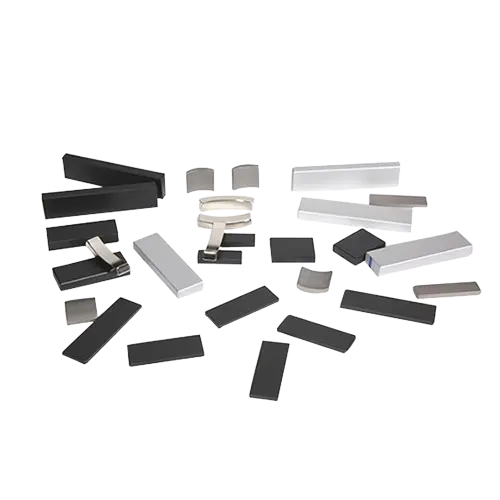
Our magnets are systematically categorized and manufactured under rigorous international quality frameworks.
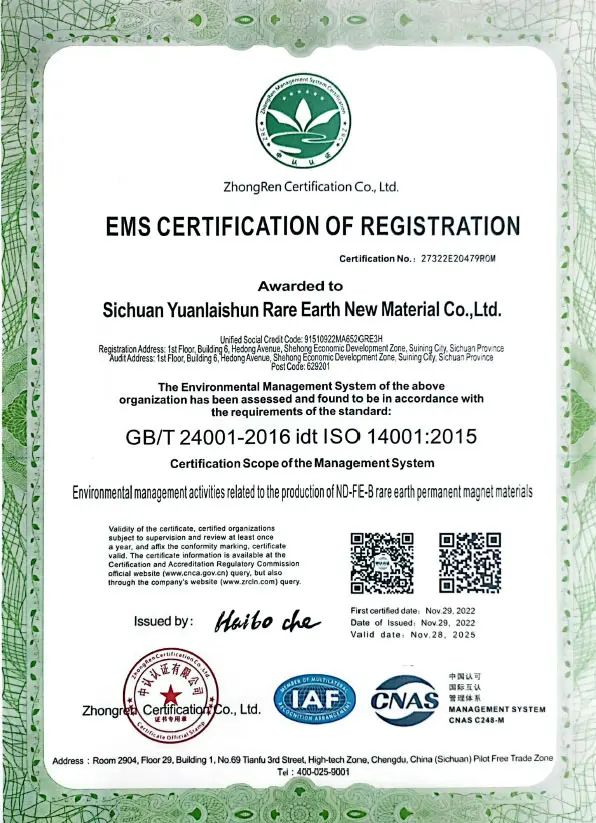
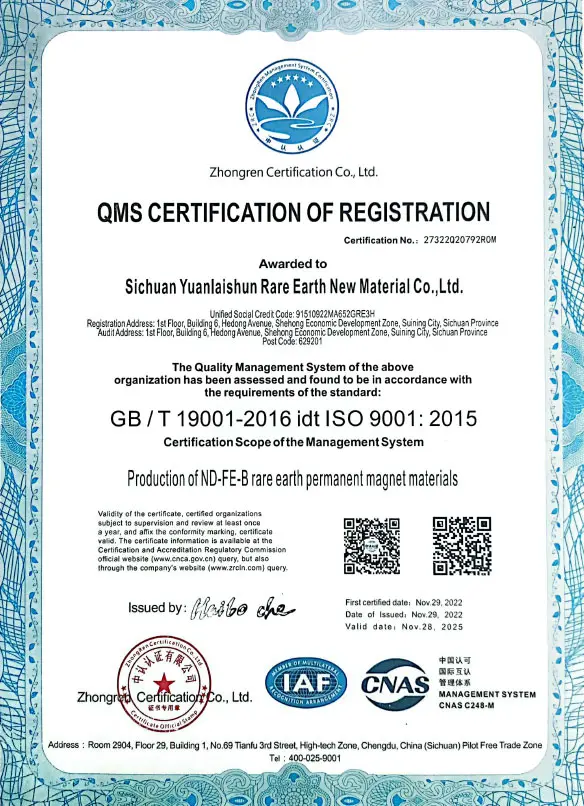
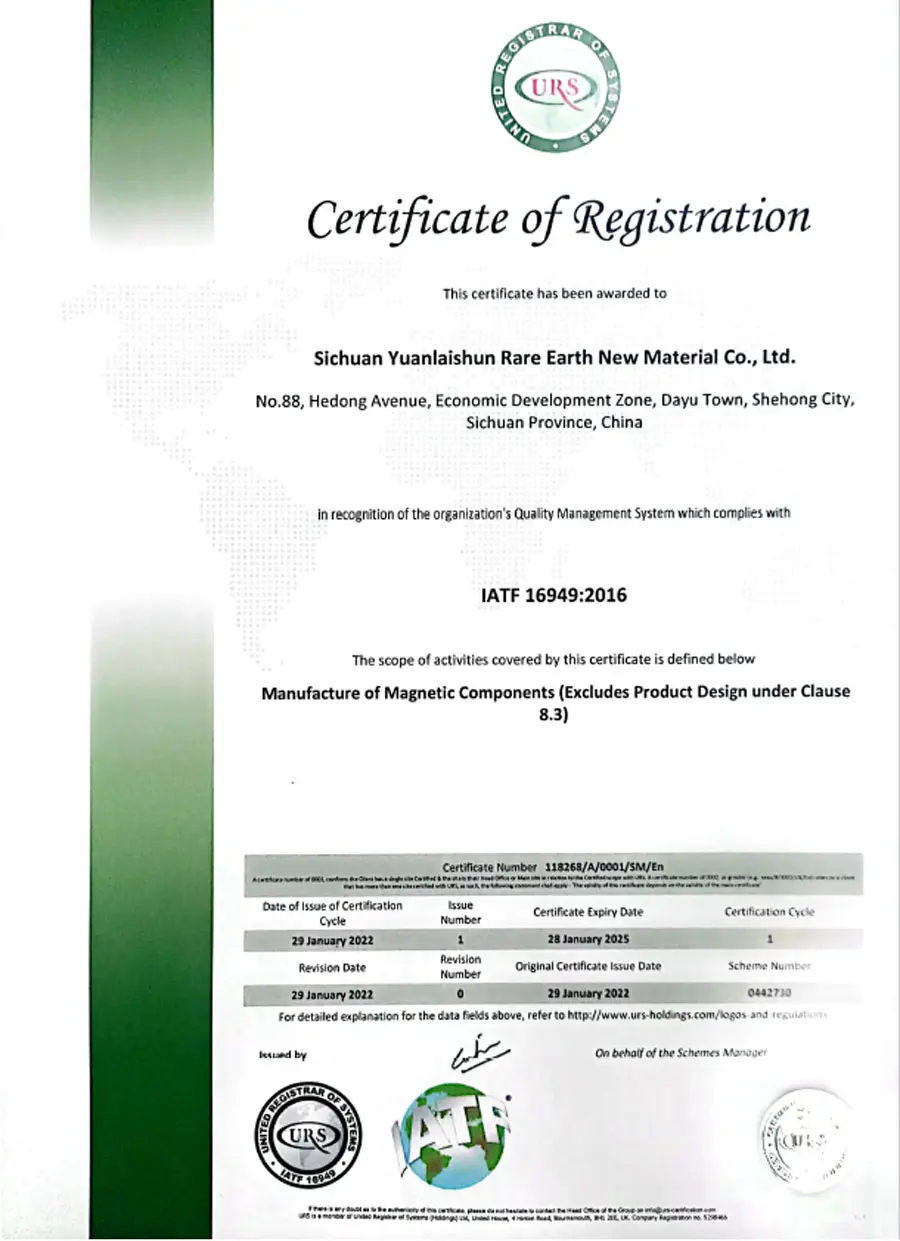
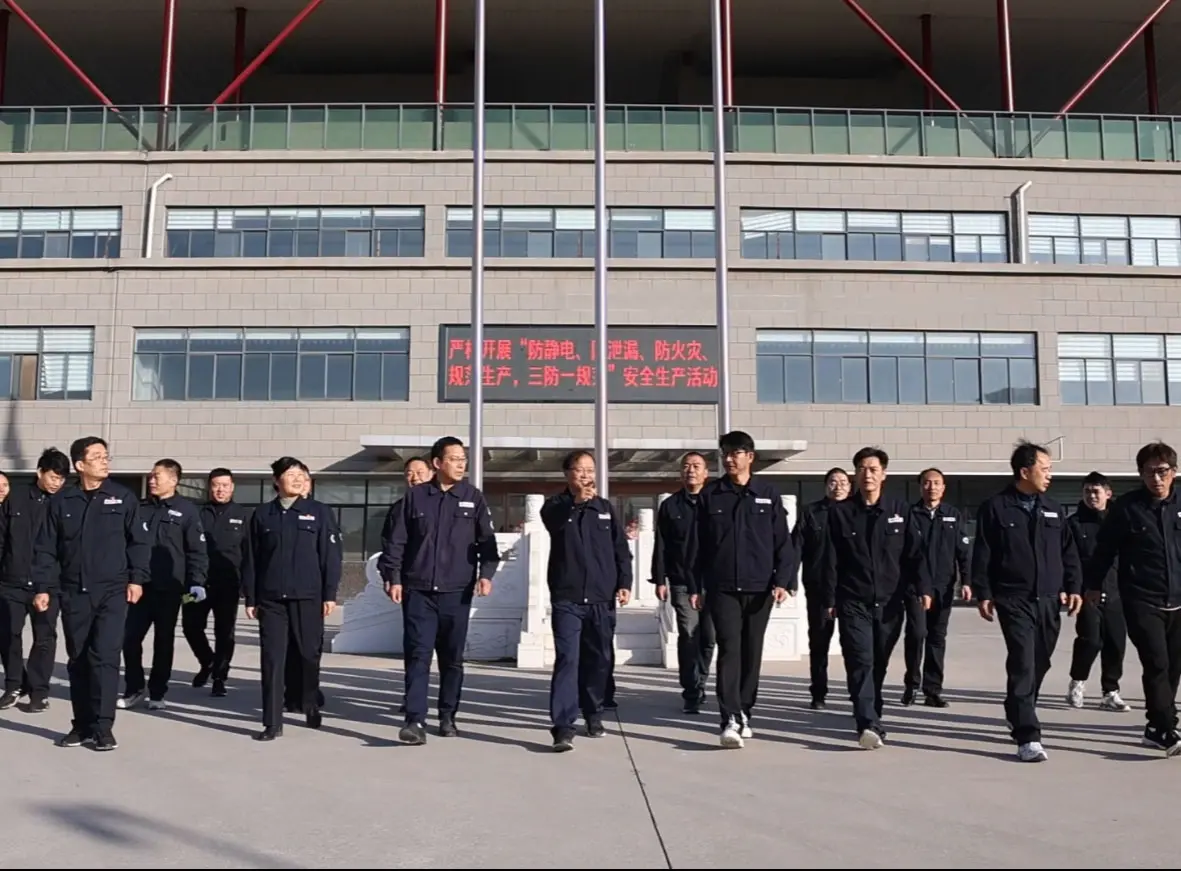
We are committed to maintaining the highest industrial standards. Zhejiang Laysun Magnetics Ltd. is certified under key global compliance frameworks, including API 6D, API 607, CE, ISO9001, ISO14001, ISO18001, and IATF 16949 (TS16949). This certification matrix ensures that our magnets meet the demanding quality, dimensional precision, and material purity requirements of the automotive and medical device industries.
Selecting the Right Magnetic Grades, Physical Formats, and Coating Specifications
Designers of magnetic therapy products must balance several variables to ensure their device achieves the target magnetic flux density. The table below outlines the core properties of our standard medical-grade NdFeB magnets:
The surface Gauss rating determines how deeply the magnetic field can penetrate biological tissue. While a standard magnet might measure 4,000 Gauss at its surface, its field strength decreases rapidly with distance. To target deeper muscles or joints (such as the hip or lower back), manufacturers typically choose thicker magnets with a high surface Gauss rating or specify multi-pole structures to help focus the field.
Our magnets are optimized for diverse industrial, commercial, and consumer applications.



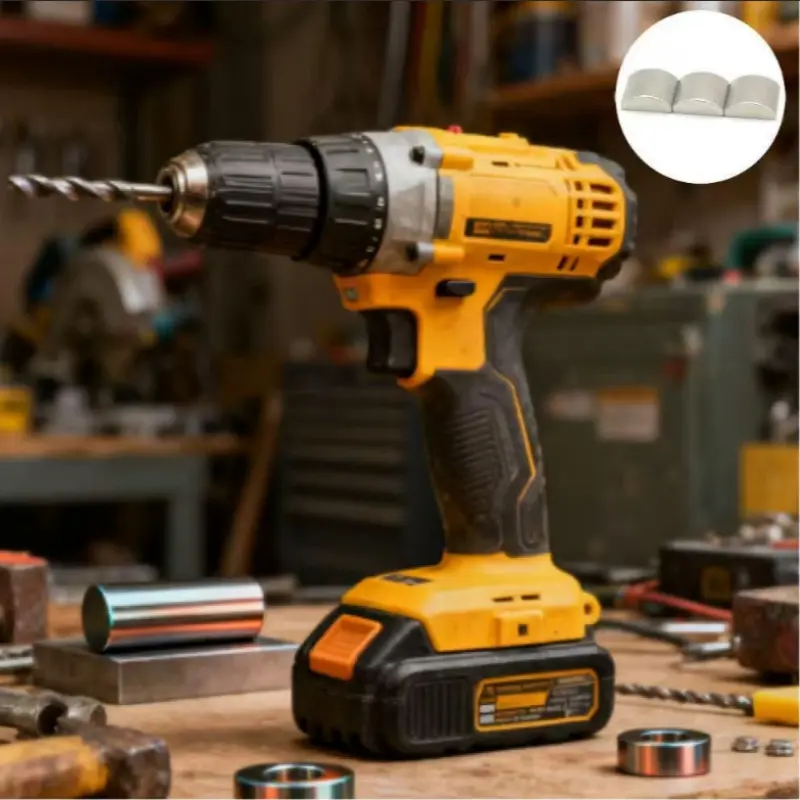

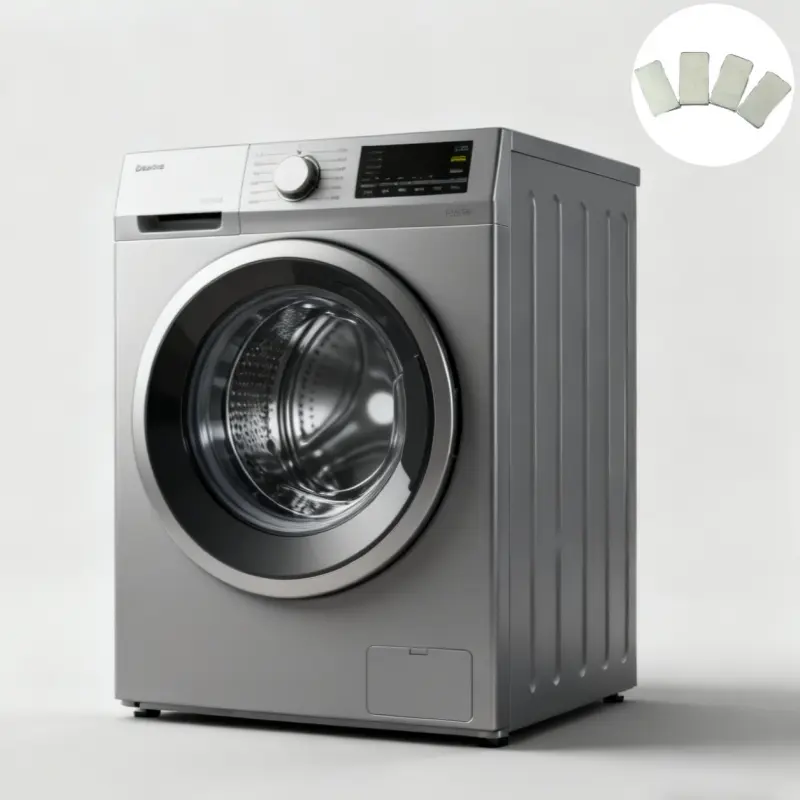
Headquartered in Hangzhou, China, Zhejiang Laysun Magnetics Ltd. is expanding our worldwide subsidiaries and offices to serve our global customers quickly and efficiently. We work closely with orthotics designers, medical device innovators, and wellness product manufacturers across North America, the European Union, and the Asia-Pacific region, providing localized support and technical expertise.
Expert insights on specifications, selection, safety, and integration for therapeutic and medical applications
For superficial applications like wristbands or facial patches, a surface field strength of 800 to 1,500 Gauss is typically sufficient. For deeper tissue penetration, such as in lumbar back supports or mattress pads, we recommend using larger NdFeB block or disc magnets rated between 2,500 and 5,000 Gauss. The effective penetration depth depends on both the physical volume of the magnet and the grade of the material.
Raw Neodymium magnets corrode easily when exposed to moisture. For wearable health products, we coat the magnets with medical-grade black epoxy, Parylene C, gold, or enclose them in a protective rubber or silicone molding. These barrier coatings seal the magnet, preventing moisture contact and ensuring the device remains hygienic and allergen-free during skin contact.
Sintered NdFeB magnets are manufactured by vacuum heating powdered raw materials, resulting in high magnetic density and maximum energy products (BHmax up to 52 MGOe). Bonded magnets mix magnetic powders with polymer binders, allowing for complex shapes and multi-pole magnetization, though with lower overall magnetic strength (typically 10-15 MGOe). We supply both configurations based on your design requirements.
Neodymium magnets are highly resistant to demagnetization. Under normal operating temperatures and conditions, they lose less than 1% of their magnetic flux density over a period of 10 years. Our high-coercivity grades (M, H, SH, UH, EH) are specifically designed to resist demagnetization in high-temperature environments or when subjected to opposing magnetic fields.
Yes, safety is a key design consideration. Small, high-powered magnets present ingestion hazards, and warning labels are typically required for consumer products containing loose magnets. Additionally, patients with pacemakers, defibrillators, or other implanted active medical devices should avoid placing strong magnets near their implants, as the static magnetic field can interfere with device operation.
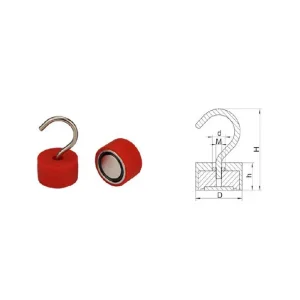
Discover our specialized hooks, badges, and industrial-grade permanent magnets manufactured to international standards.
 Laysun Magnetics