Engineered with state-of-the-art coatings, custom geometries, and high intrinsic coercivity for mission-critical industrial setups.
Founded at the turn of the millennium in 1999, Zhejiang Laysun Magnetics Ltd. has evolved into an elite national high-tech manufacturing leader specializing in rare earth NdFeB permanent magnets. With over 25 years of field experience, we have focused on delivering specialized high-performance magnet configurations designed to withstand extreme thermal, magnetic, and oxidative stress.
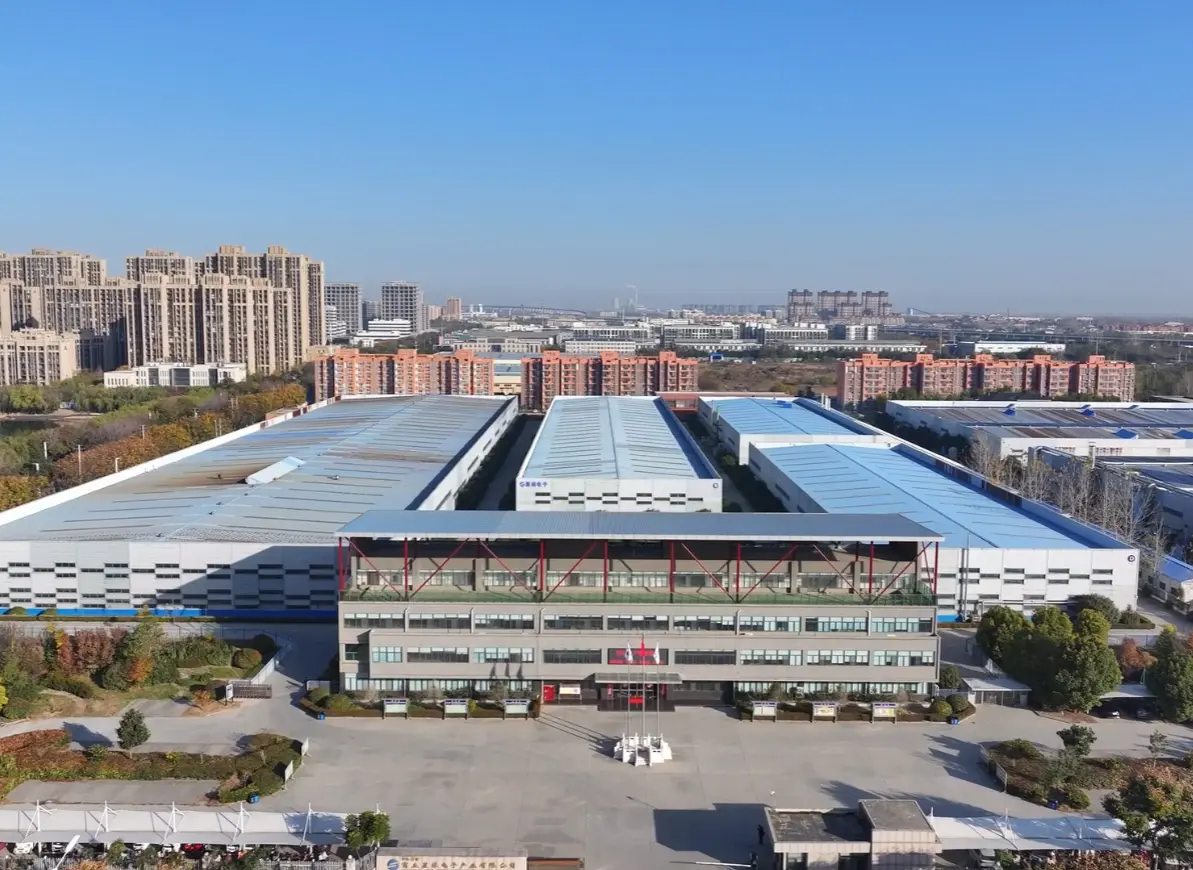
Our state-of-the-art production complex in Suining, Sichuan, covers more than 100,000 square meters, utilizing cutting-edge automated vacuum sintering furnaces, hydrogen decrepitation systems, and advanced electrodeposition setups to guarantee a stable annual output capacity of over 5,000 tons of premium-grade rare earth magnetic materials.
Years Experience
Factory Area (m²)
Expert Workers
Annual Output (Tons)
A technical overview of how Chromium (Cr) alters, protects, and stabilizes magnetic behaviors in industrial systems.
In modern industrial applications, the degradation of NdFeB (Neodymium Iron Boron) rare-earth magnets due to atmospheric and galvanic corrosion is a critical limiting factor. Chromium (Cr) has emerged as one of the most effective alloying and plating elements utilized by high-end exporters and suppliers to counter these structural vulnerabilities.
Integrating Chromium as a micro-alloying element in sintered NdFeB magnets helps refine the crystal grain size. By partitioning into the grain boundary phase, Chromium suppresses grain growth during sintering, thereby enhancing the intrinsic coercivity (Hcj) and improving structural integrity at high temperatures.
Chromium-based electroplating (e.g., Ni-Cu-Ni+Cr or multi-layer zinc-chromium coatings) forms a dense, self-healing passivation layer. This structural barrier dramatically reduces the penetration rate of oxygen and moisture, protecting the iron-rich Nd5Fe17 phases from structural crumbling.
While excess Chromium doping can marginally lower the saturation magnetization (Ms) due to its antiferromagnetic coupling with iron, precise control limits this degradation. It ensures the thermal coefficient of remanence remains highly stable up to 180°C operating thresholds.
Understanding the performance difference between typical nickel coatings and premium chromium-modified coatings is critical for procurement managers in selecting magnet configurations for harsh service conditions.
| Coating Type | SST (Salt Spray Test) Duration | PCT (Pressure Cooker Test) Limits | Thermal Stability Threshold | Galvanic Resistance Index |
|---|---|---|---|---|
| Standard Zinc Plating (Zn) | 24 - 48 Hours | 24 Hours (Non-condensing) | Up to 120°C | Moderate |
| Electroless Ni-Cu-Ni | 48 - 96 Hours | 48 Hours (120°C / 100% RH) | Up to 150°C | Good |
| Ni-Cu-Ni + Chromium (Cr) | 120 - 240 Hours | 96 Hours (120°C / 100% RH) | Up to 200°C | Excellent |
| Organic Zinc-Chromate Coating | 240 - 500 Hours | 120 Hours (120°C / 100% RH) | Up to 180°C | Superior |
A macro perspective on supply chain demands, environmental regulations, and technical shifts across the magnetics landscape.
Due to the high cost and volatility of heavy rare earths like Dysprosium (Dy) and Terbium (Tb), leading manufacturers are adopting grain boundary diffusion (GBD) processes integrated with chromium protection. This methodology concentrates the heavy rare earths only at the grain boundaries, optimizing thermal stability while maintaining a high remanence (Br). The chromium plating layer acts as the secondary guard line, maintaining structural integrity without relying on excess critical earth metals.
As a global exporter, Zhejiang Laysun Magnetics complies with strict environmental standards. While hexavalent chromium (Cr6+) is prohibited under RoHS and REACH guidelines, we employ advanced trivalent chromium (Cr3+) electrodeposition and vacuum passivating techniques. This satisfies global supply chain regulatory compliance while maintaining high-performing anti-corrosive characteristics.
The transition toward Electric Vehicles (EVs) and offshore wind power installations is driving unprecedented demand for long-life NdFeB magnets. These systems operate in harsh, humid, and salt-laden environments where standard magnets decay rapidly. The integration of high-quality Chromium-protected magnetic assemblies ensures that the motors, generators, and actuators run continuously for 15 to 20 years without critical demagnetization or surface degradation.
"Global demand for stabilized, corrosion-resistant sintered magnets is projected to grow at a CAGR of 8.4% through 2030, led primarily by automotive EPS and robotic drive assemblies."
Zhejiang Laysun Magnetics solutions are embedded across six major high-growth technological industries.



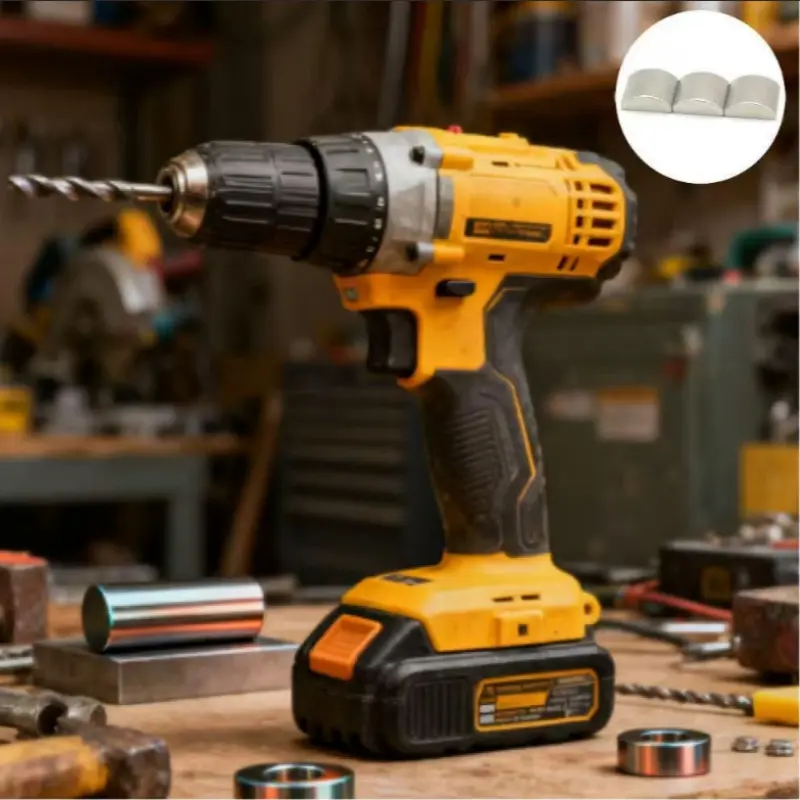

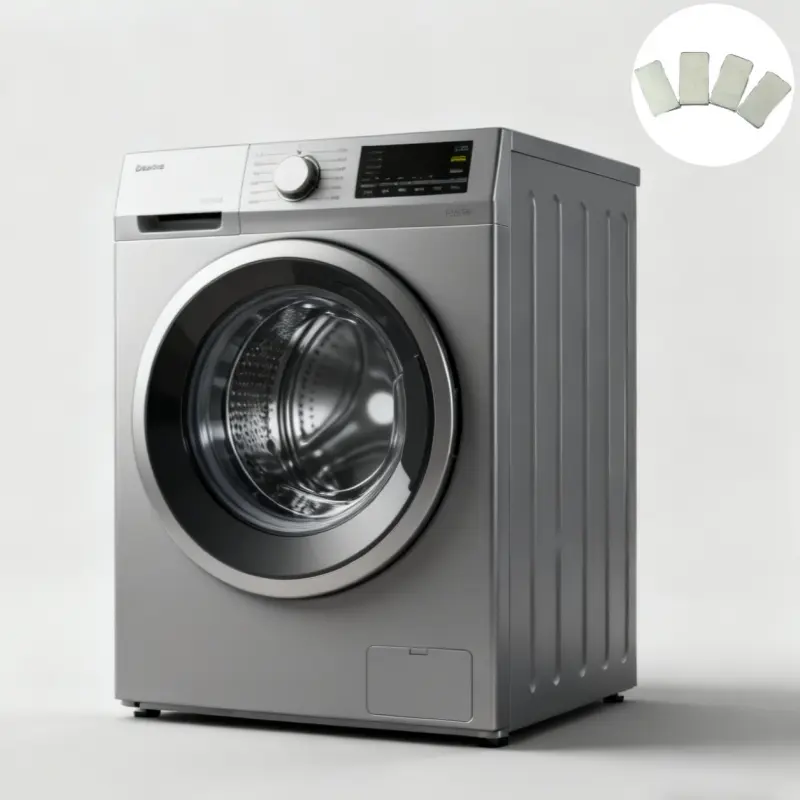
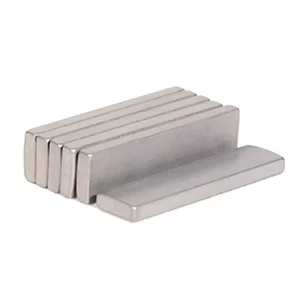
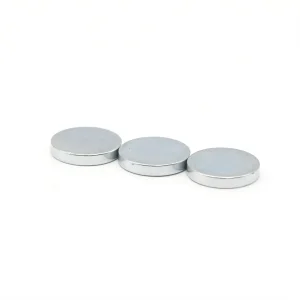
Electric Power Steering (EPS) systems demand magnets with extremely low angle deviation and high magnetic uniformity. Our neodymium disc and block magnets with specialized multi-layer nickel-chromium coatings guarantee long-term operational safety in tight engine bays.
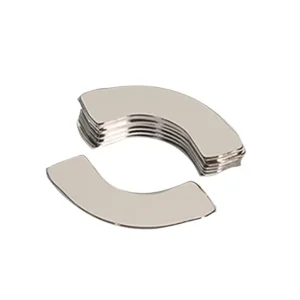
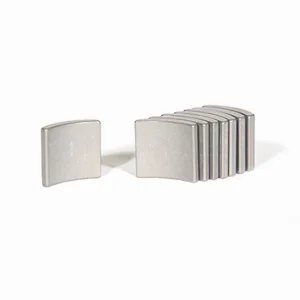
Our OEM NdFeB arc segments are optimized for multi-megawatt generator rotors. The addition of Chromium-based passivating formulations protects the rotor assemblies against the aggressive marine environments of offshore wind installations.
For high-speed read-write heads in hard disk drives and autofocus modules in aerospace cameras, we supply ultra-thin plated magnets that prevent outgassing and particle contamination in micro-cleanroom setups.
Innovation pipelines detailing the evolution of rare earth materials and protective coatings.
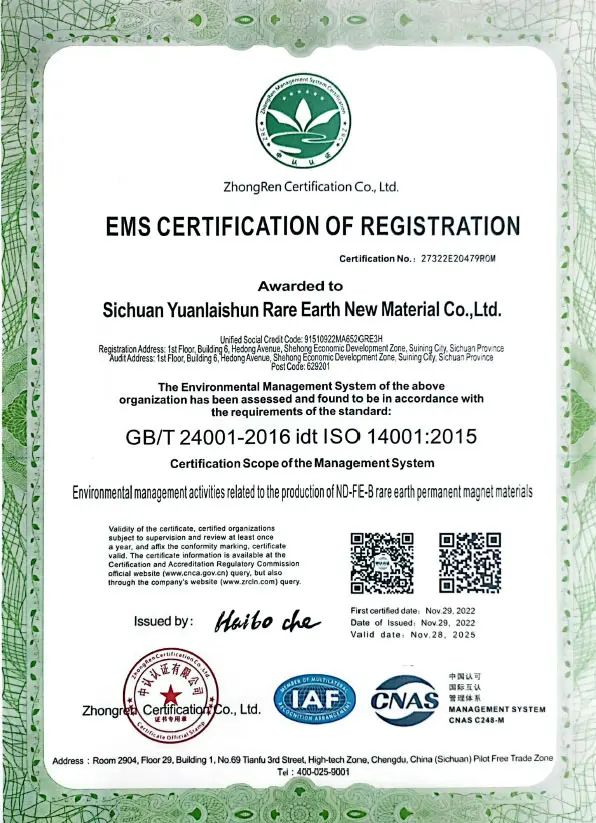
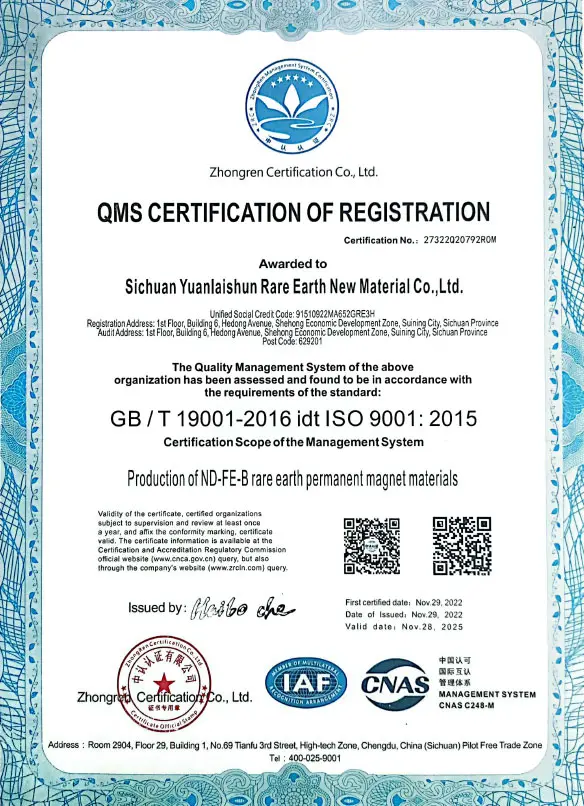
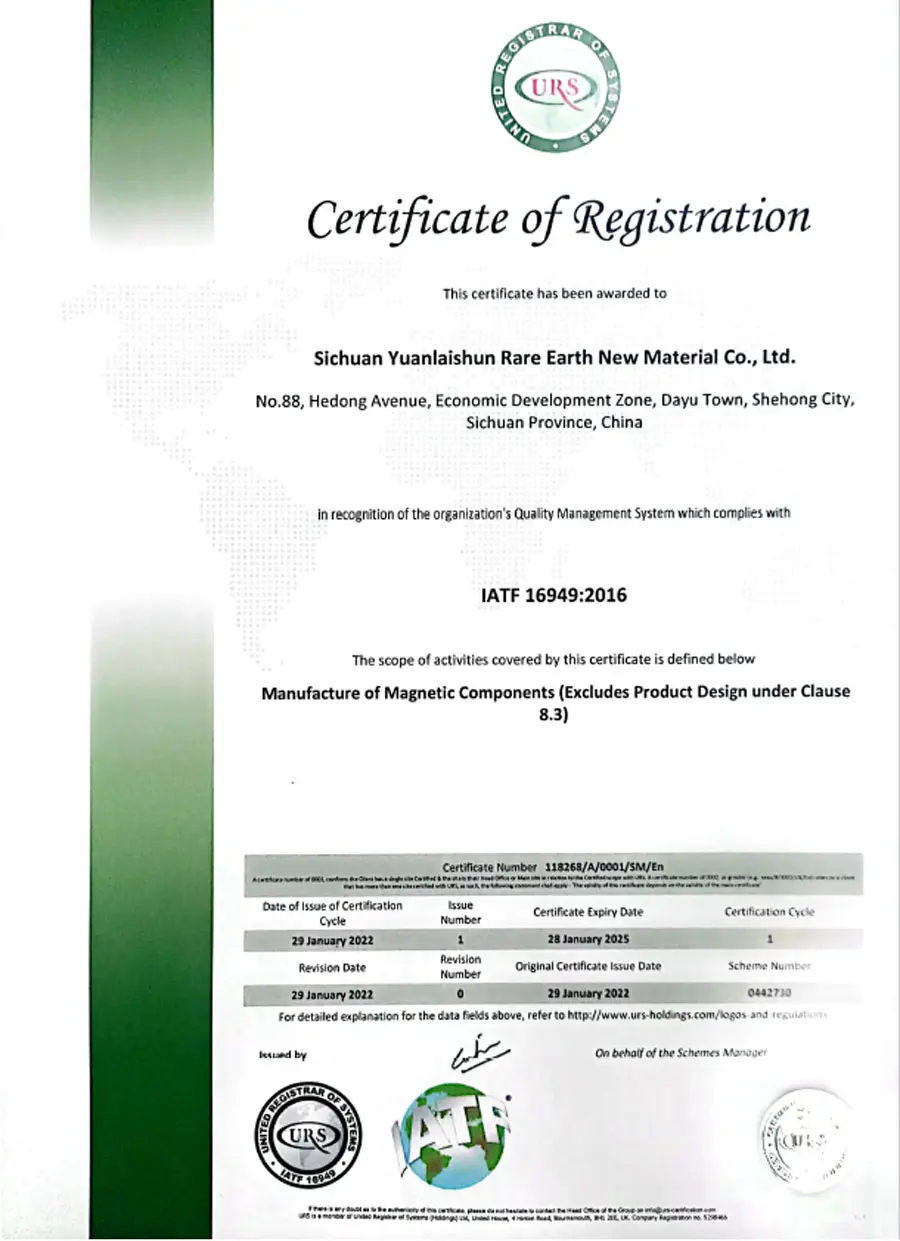
To qualify as a global supplier of safety-critical components (such as EPS systems and wind turbine rotors), Zhejiang Laysun Magnetics maintains a quality management structure certified under global standards, including API 6D, API 607, CE, ISO9001, ISO14001, ISO18001, and IATF 16949.
Every batch of sintered magnets undergoes stringent quality control assessments, including Hysteresisgraph testing to plot Demagnetization Curves (demag curves), X-ray Fluorescence (XRF) testing for coating thickness, and PCT testing under high steam pressure to evaluate the lifespan of the passivation layer.
Expert answers regarding chromium coatings, magnetic properties, and customization requirements.
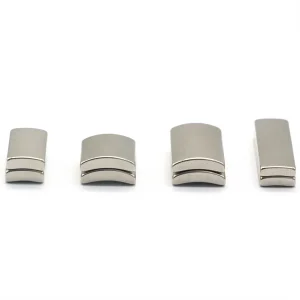
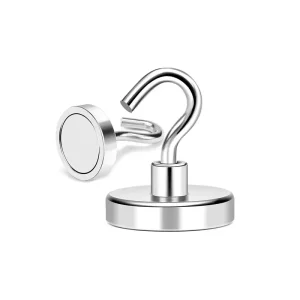
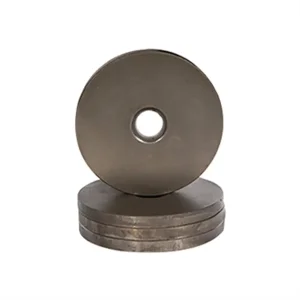
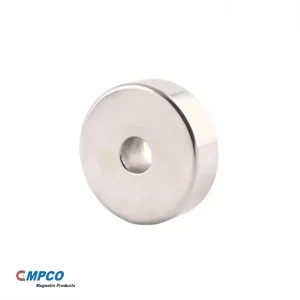
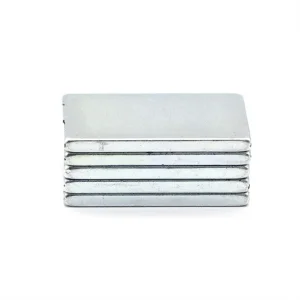
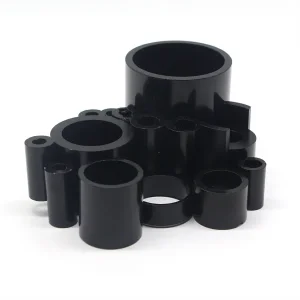
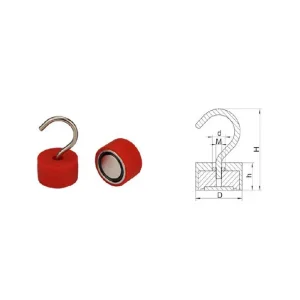
Explore our highly durable block, segment, and cylinder configurations manufactured for high-reliability applications.
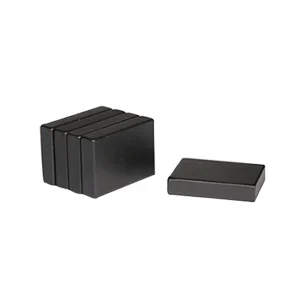
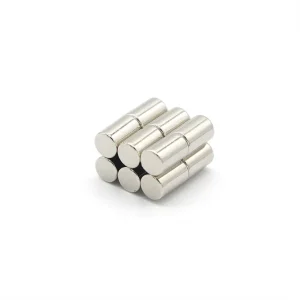
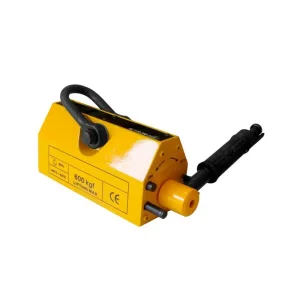
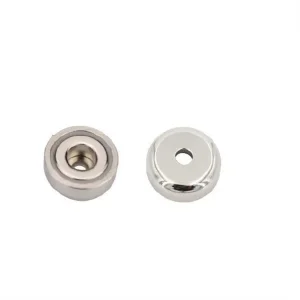
Connect directly with our engineering department in Zhejiang for customized quotations, specific coating trials, and technical documentation.
INQUIRY FOR PRICELIST
Leave your requirements with us and our engineers will get back to you within 24 hours.
 Laysun Magnetics