Precision-engineered NdFeB systems housed in high mechanical-strength structural casings
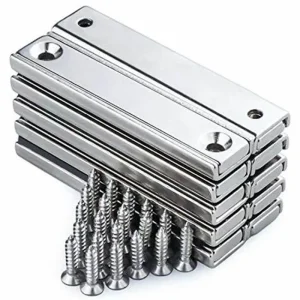
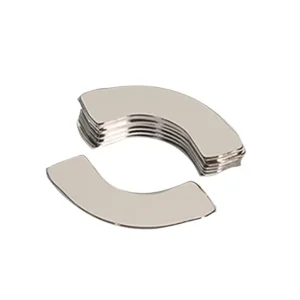
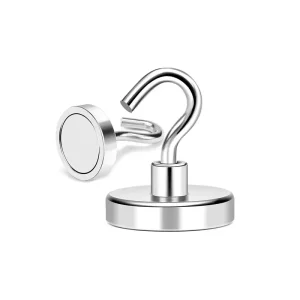
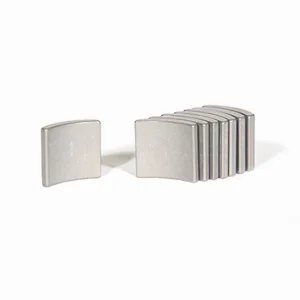
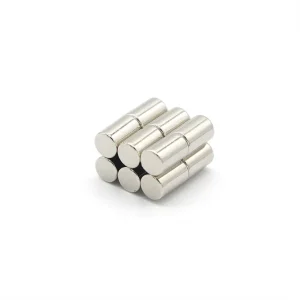
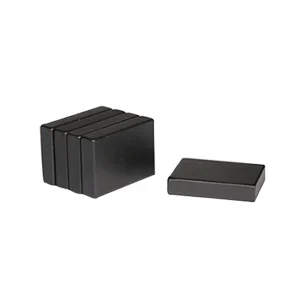
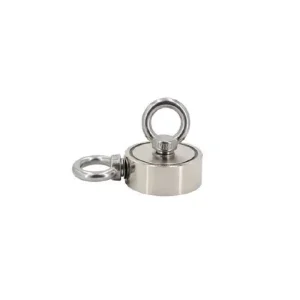
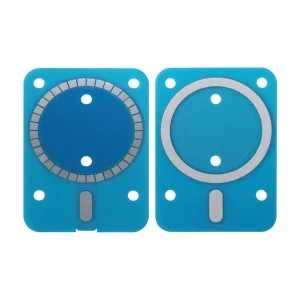
In heavy industrial applications, mechanical systems are constantly subjected to severe impact, extreme wear, and intense friction. To preserve the structural integrity of internal magnetic assemblies, engineers rely on high-performance structural materials. Chief among these is Hadfield Manganese Steel, an alloy renowned for its unique capacity to work-harden under mechanical stress. At Zhejiang Laysun Magnetics Ltd., we integrate deep metallurgy with magnetics to deliver custom magnetic lifting, separation, and motor technologies housed within custom-formulated steel components.
Standard Hadfield manganese steel typically contains 11% to 14% manganese and 1% to 1.4% carbon. The high manganese-to-carbon ratio maintains a fully austenitic structure at room temperature. This metallurgical state is critical: when the surface of manganese steel experiences heavy impacts or high dynamic pressures, it transforms locally into a highly strain-hardened martensitic structure. The mechanical properties of this alloy change dynamically under workload:
| Mechanical Parameter | Annealed State (Unworked) | Fully Work-Hardened State | Engineering Benefit in Magnetics |
|---|---|---|---|
| Brinell Hardness (HB) | 200 - 220 HB | 500 - 650 HB | Wear-resistant shells for NdFeB core protection. |
| Tensile Strength (MPa) | 730 - 850 MPa | 950 - 1100 MPa | Withstands intense centrifugal force in rotor sleeves. |
| Yield Strength (R_p0.2) | 350 - 380 MPa | 600 - 750 MPa | Absorbs heavy structural impacts without deforming. |
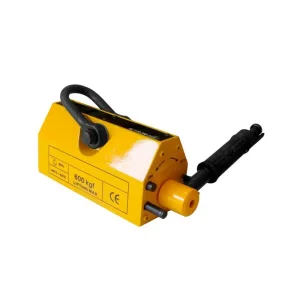
| Impact Energy (Joule) | 120 - 150 J (Charpy V) | Over 200 J (under load) | Crucial for industrial 1000KG magnetic lifters. |
Understanding local field requirements is vital when deploying magnetic components protected by wear-resistant steels. Different industrial sectors demand specific optimizations of the work-hardening mechanism:
1. Mining and Mineral Separators (Sichuan, Inner Mongolia & Western Australia): Magnetic drums used in primary sorting are exposed to abrasive iron ore and quartz slurries. Standard steel shells erode quickly, causing slurry ingress that destroys the internal rare-earth NdFeB blocks. By utilizing custom manganese steel casings, the continuous impact of falling ores hardens the outer shell, drastically extending the service life of NdFeB separator pulleys.
2. Heavy-Duty Demolition & Magnetic Salvage (Global Marine Recovery): In salvage operations using high-capacity fishing magnets, casings crash against underwater concrete, boulders, and iron hulls. Dynamic shock would crack brittle ferritic housings, but manganese steel absorbs these impacts, ensuring the magnet assembly remains intact under harsh oceanic pressures.
3. Electric Mobility and High-Velocity Rotors (EV Industry Hubs): EV rotor assemblies experience immense centrifugal and thermal loads. High-performance manganese steel rotor sleeves maintain mechanical stability, limit magnetic flux leakage, and resist elastic deformation at speeds exceeding 20,000 RPM.
The integration of advanced metallurgy with high-strength magnetic materials is undergoing a paradigm shift. Zhejiang Laysun Magnetics Ltd. is actively piloting research in:
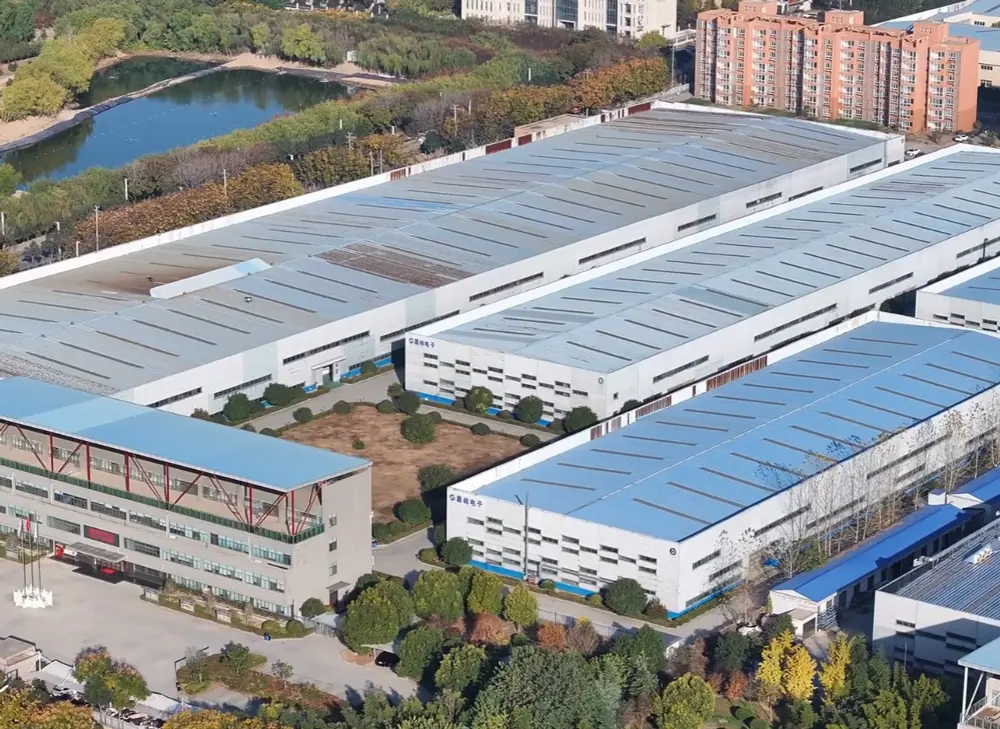
Located in Zhejiang and Sichuan, China, our manufacturing facilities span over 100,000 square meters. The concentration of direct raw material sourcing, rare-earth processing facilities, and metallurgical industrial clusters gives us unmatched supply chain resilience.
Unlike competitors who outsource housing fabrication, our facility maintains fully integrated casting, precision machining, and magnetic assembly lines. This vertical integration allows us to:
The global demand for high-strength wear parts paired with permanent magnet arrays is growing rapidly. Driven by the expansion of electric vehicles (EVs), industrial automation, wind power generation, and offshore heavy salvage, global markets require components that offer both high mechanical performance and long operational lifespans.
Zhejiang Laysun Magnetics Ltd. ships high-performance magnetic assemblies directly to clients in Europe, the Americas, and Southeast Asia. Our components comply with international standards, helping foreign buyers lower their Total Cost of Ownership (TCO) through reduced maintenance cycles and longer-lasting equipment.
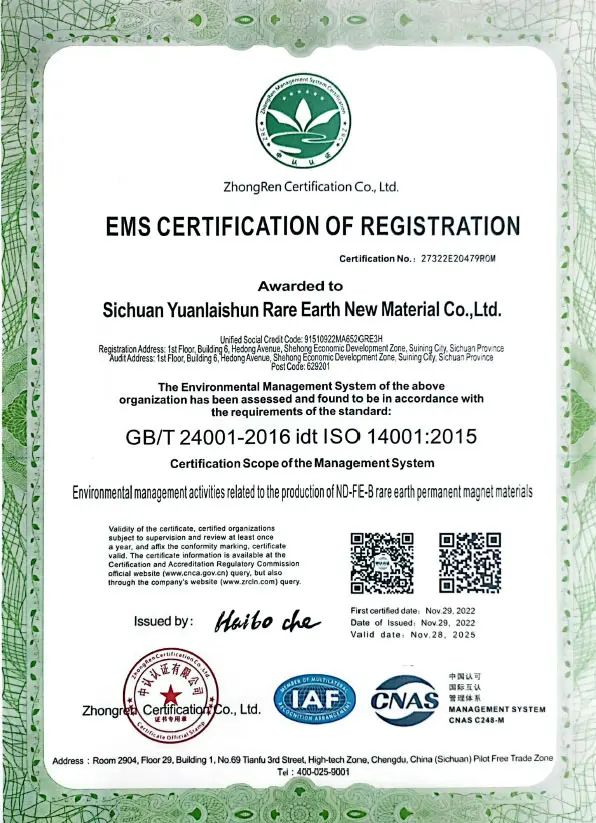
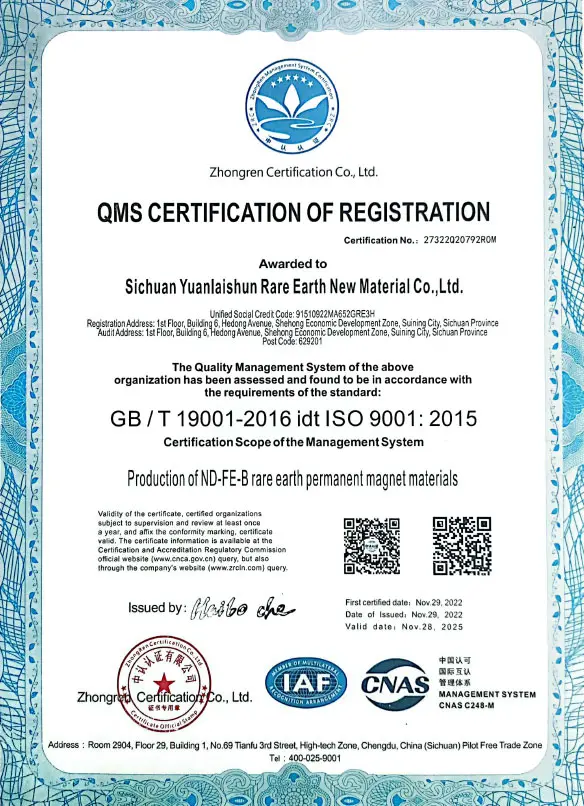
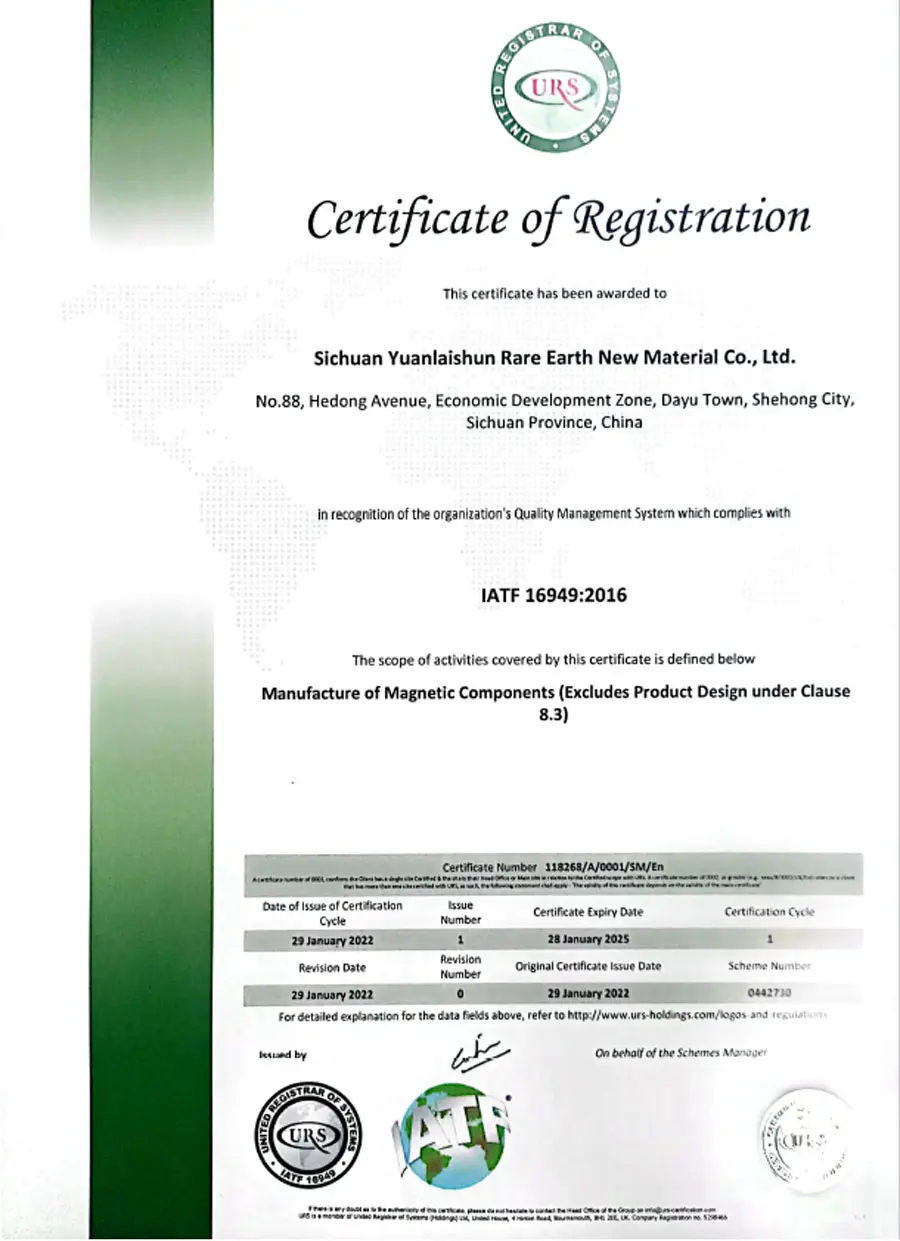
Compliance is the cornerstone of trust. Zhejiang Laysun Magnetics Ltd. meets rigorous international industrial standards, holding certifications including API 6D, API 607, CE, ISO9001, ISO14001, ISO18001, and TS16949.
We provide local technical support across our target markets, assisting engineers in selecting materials, simulating magnetic fields (FEA analysis), and calculating mechanical stress limits. This ensuring all products meet the regulatory requirements of destination countries, including RoHS and REACH directives.
Take a virtual tour of our 100,000m² factory floor and review our certified standards
We undergo regular audits to ensure our magnetic assemblies and custom materials satisfy global safety and performance criteria.
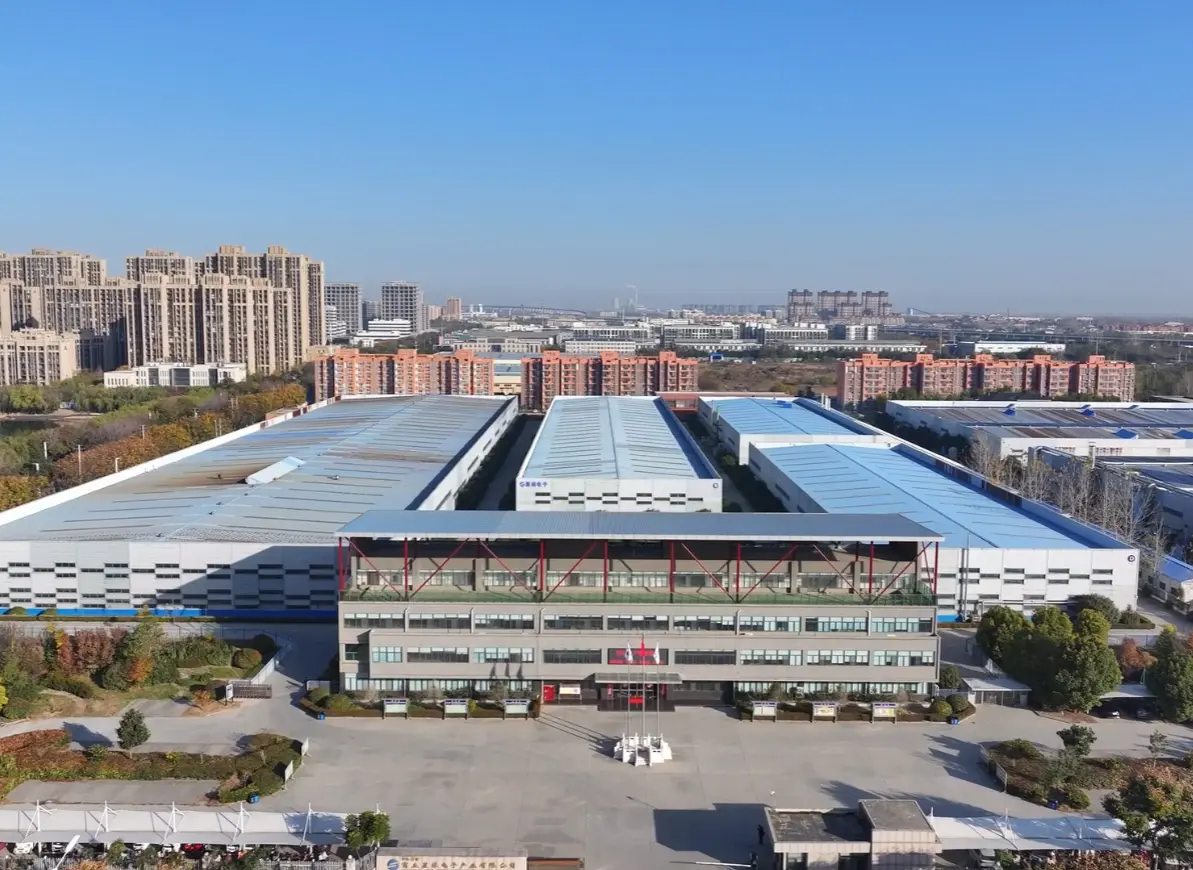
Where high mechanical durability and powerful magnetic performance intersect

High-torque servo motor magnets and wear-resistant structural components for precision joint actuators operating in high-vibration manufacturing environments.

Ultra-lightweight yet mechanically durable rare-earth neodymium magnetic systems optimized for commercial drone rotors and high-RPM brushless DC motors.

Custom NdFeB block magnets optimized for traction motors, combined with high-yield structural retaining bands to withstand extreme mechanical loads.
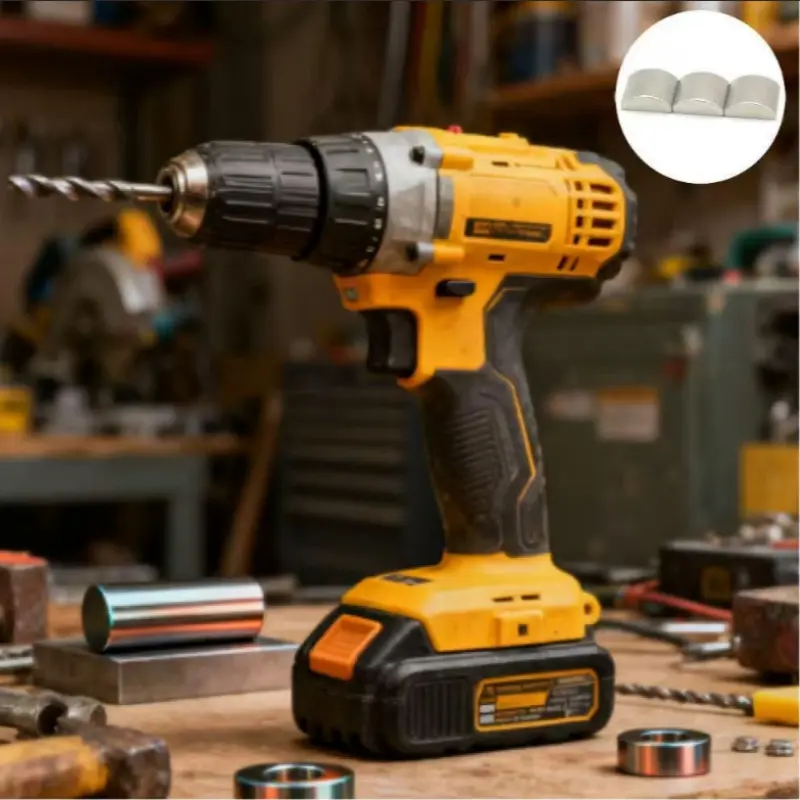
Compact, shock-resistant magnetic components designed for brushless drills, impact drivers, and industrial grinding equipment.

Micro-magnets for smartphones, audio equipment, magnetic rings, and acoustic transducers manufactured to strict dimensional tolerances.
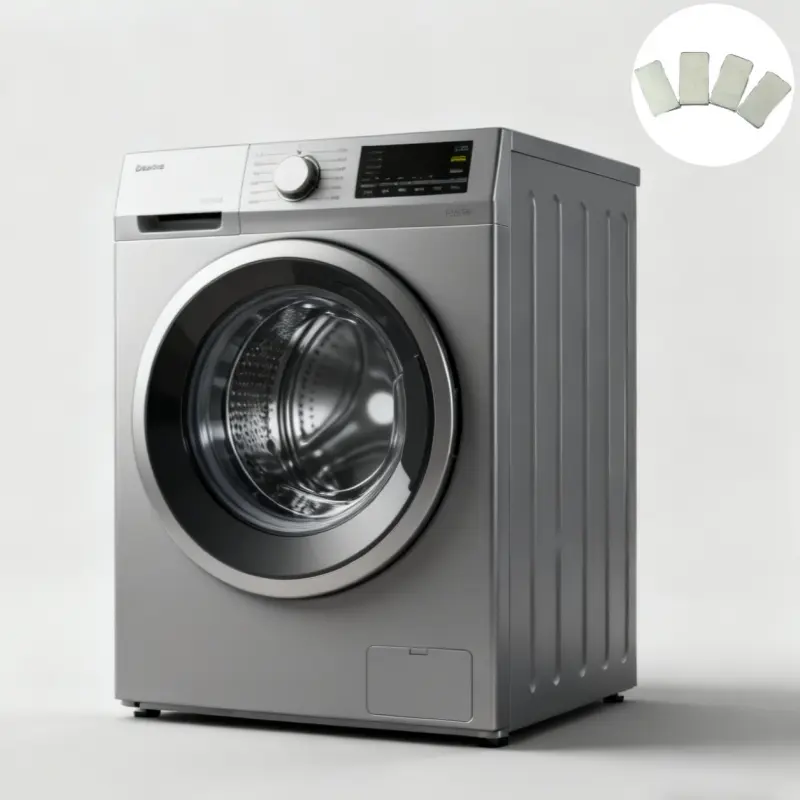
High-efficiency permanent magnet assemblies for inverter compressor motors in air conditioners, refrigerators, and smart home appliances.
Providing technical answers to key questions about manganese steel mechanical properties and magnetic system engineering
Explore our specialized range of neodymium magnetic components for industrial applications
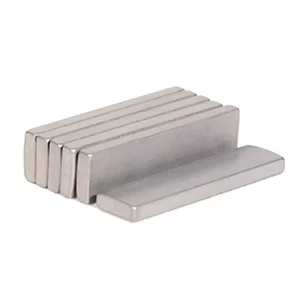
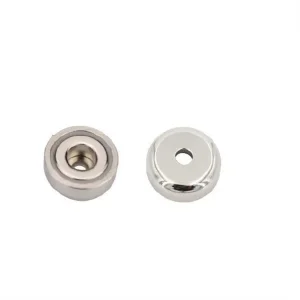
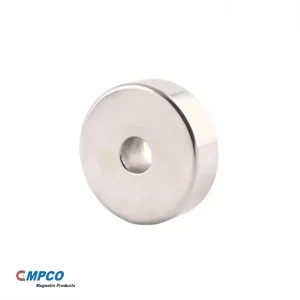
Need advice on material selection, mechanical properties, or magnetic circuit layouts? Contact our engineering team for detailed technical support and project estimates within 24 hours.
 Laysun Magnetics