Explore our industrial-grade, precision-manufactured permanent magnets, customized for automotive, aerospace, consumer electronics, and heavy-lifting applications.
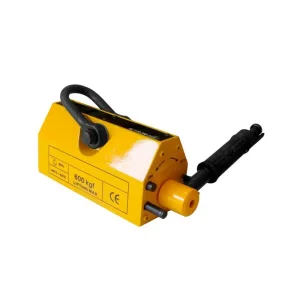
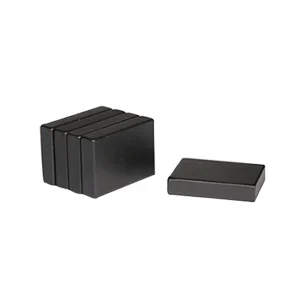
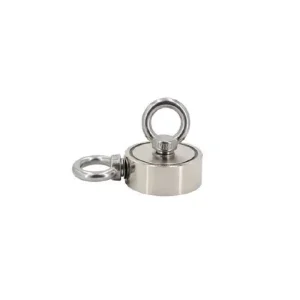
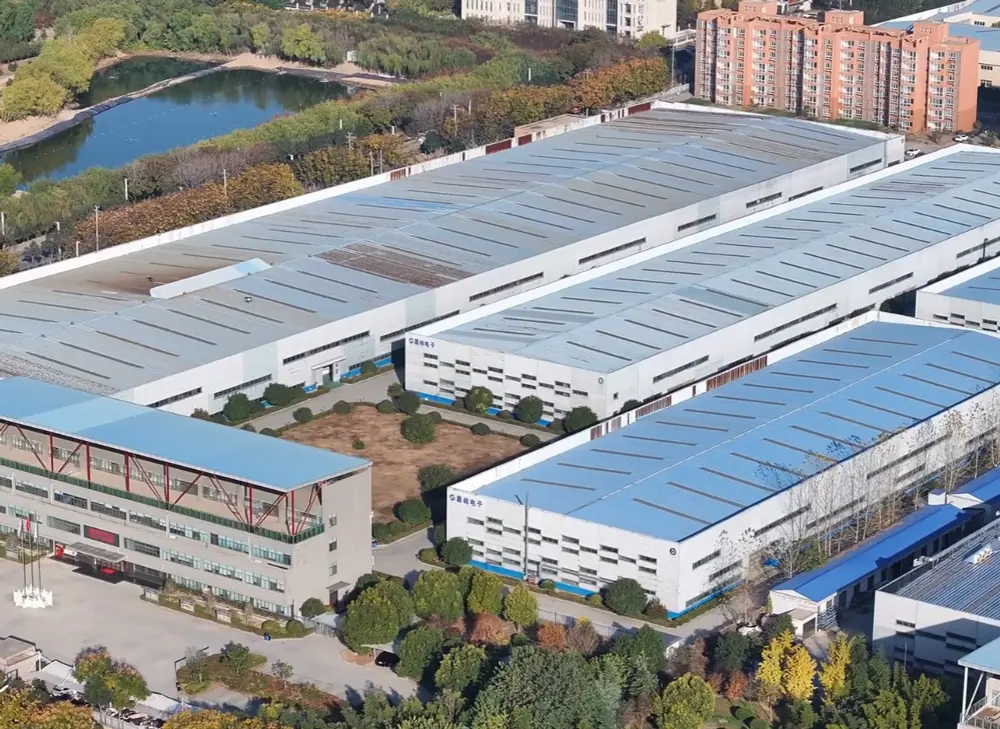
Founded at the turn of the millennium, Zhejiang Laysun Magnetics Ltd. has evolved from a pioneering regional enterprise into a national high-tech leader in the production and development of high-performance rare earth permanent magnets. Headquartered with state-of-the-art manufacturing infrastructure spanning 100,000 square meters, we integrate advanced manufacturing sciences with raw material access to ensure supply chain security and maximum product consistency.
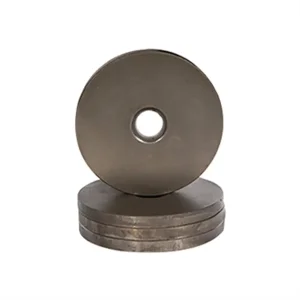
Our core capabilities revolve around the research, design, production, and custom magnetization of sintered Neodymium-Iron-Boron (NdFeB) materials. By engineering the microscopic orientation of magnetic domains, we supply vital magnetic sub-assemblies to world-class OEMs across fields like new energy vehicles (NEVs), clean energy systems, heavy industrial actuators, acoustics, and high-precision consumer devices.
Quality, Credibility, Technology, and Innovation define our operational blueprint, allowing us to exceed modern compliance criteria while achieving unprecedented field metrics for critical hardware components.
Understanding the physics, structural orientation, and manufacturing methodologies governing advanced permanent magnetism.
The core factor driving the efficacy of high-performance Neodymium magnets is magnetic anisotropy. When NdFeB crystalline grains are synthesized, their atomic layout exhibits an easy axis of magnetization. By subjecting the raw alloy powder to intense external magnetic fields during the compaction and sintering phases, we align these axes along a specified spatial orientation vector. This ensures the material achieves maximum Remanence ($B_r$) and Intrinsic Coercivity ($H_{cj}$).
Conversely, isotropic materials, which lack structural orientation, display uniform magnetic characteristics in all spatial directions but deliver substantially lower Maximum Energy Products ($(BH)_{max}$). Customizing magnetic profiles therefore requires precise thermodynamic control and multi-axial alignment fields during pressing.
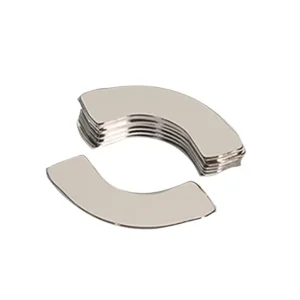
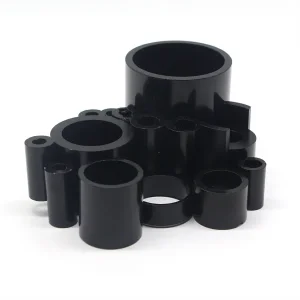
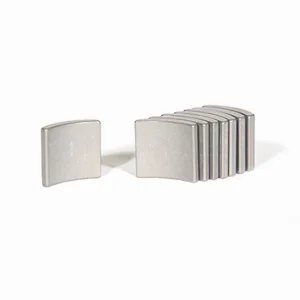
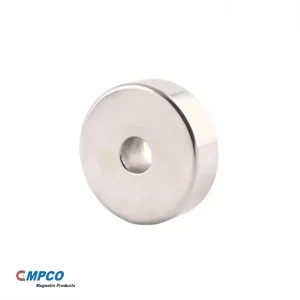
Customizing magnetization involves directing the magnetic flux lines through specific physical shapes (blocks, rings, cylinders, arcs) to optimize the performance of the end application. The selection of vector profiles dramatically influences torque curves in motors, holding forces in lifters, and signal-to-noise ratios in sensors.
Axial magnetization directs the field parallel to the primary axis of cylinders or discs. Radial orientation aligns the field outward or inward from the central axis, which is essential for maximizing efficiency in high-speed, brushless outer-rotor permanent magnet motors.
By using custom magnetization fixtures, we produce multi-pole configurations on single-ring surfaces. This arrangement enables localized field concentrations and high angular resolution, which are crucial for automotive EPS systems and precise encoder feedbacks.
Our engineering division creates custom Halbach arrays by assembling segmented magnets with varying magnetic vectors. This layout focuses the magnetic flux on one side of the assembly while reducing the field on the opposite side to near zero, providing a powerful, localized magnetic circuit.
Raw NdFeB sintered alloys are susceptible to oxidation and corrosion under operating conditions. To resolve this, Zhejiang Laysun Magnetics provides advanced electroplating and surface treatment options, including Multi-layer Nickel-Copper-Nickel (Ni-Cu-Ni), Epoxy Resin Coatings (providing over 500 hours of salt spray resistance), Parylene, and specialized Rubber coatings for outdoor or marine environments.
These surface treatments prevent chemical breakdown, protecting the magnetic domains and ensuring long-term field stability. This protection prevents degradation of the custom magnetization profile over the component's operational lifespan.
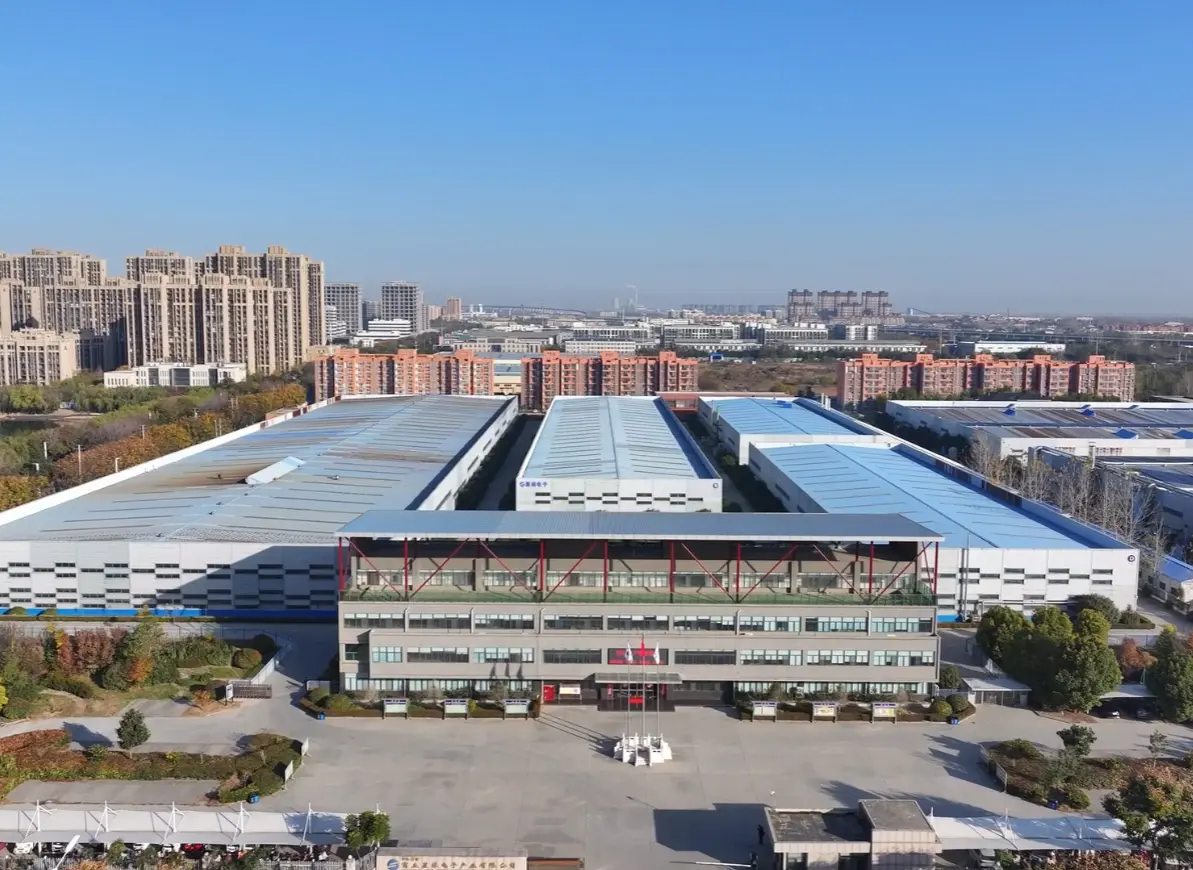
Combining raw material security with advanced automation for high-volume, high-precision magnet production.
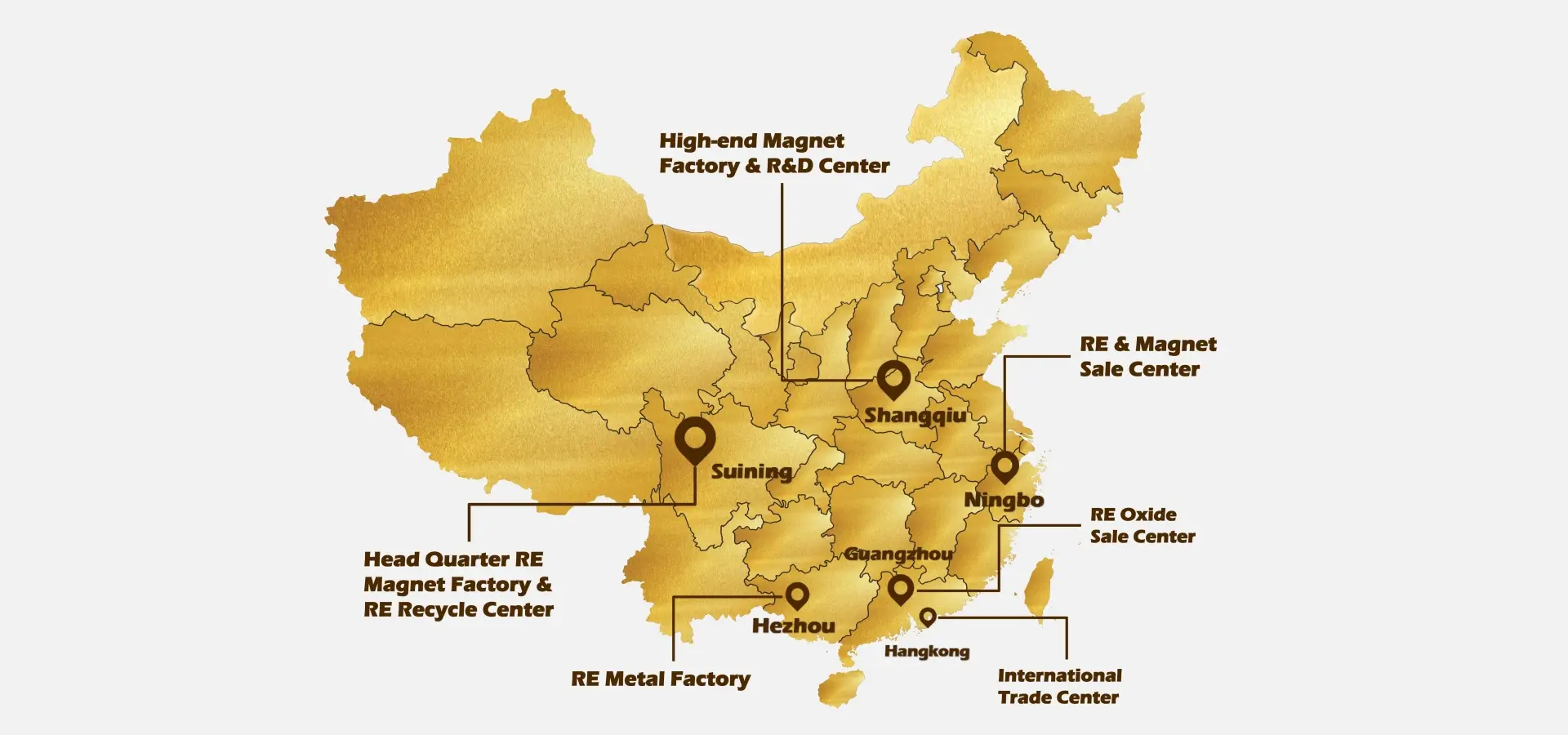
Our production facilities, located in Sichuan and Zhejiang, are close to key Chinese rare earth mining and processing hubs. This proximity helps isolate our operations from price swings and ensures a steady supply of Dysprosium (Dy), Terbium (Tb), and Praseodymium-Neodymium (PrNd) alloys.
We employ vacuum induction melting furnaces, hydrogen decrepitation (HD) chambers, jet milling processes, and inert gas alignment presses. This high level of automation ensures consistent grain size distribution and uniform magnetization throughout each production run.
To reduce dependence on heavy rare earths while maintaining high temperature stability, we implement Grain Boundary Diffusion (GBD). This process diffuses Dysprosium or Terbium into the magnet's grain boundaries, increasing intrinsic coercivity without reducing remanence.
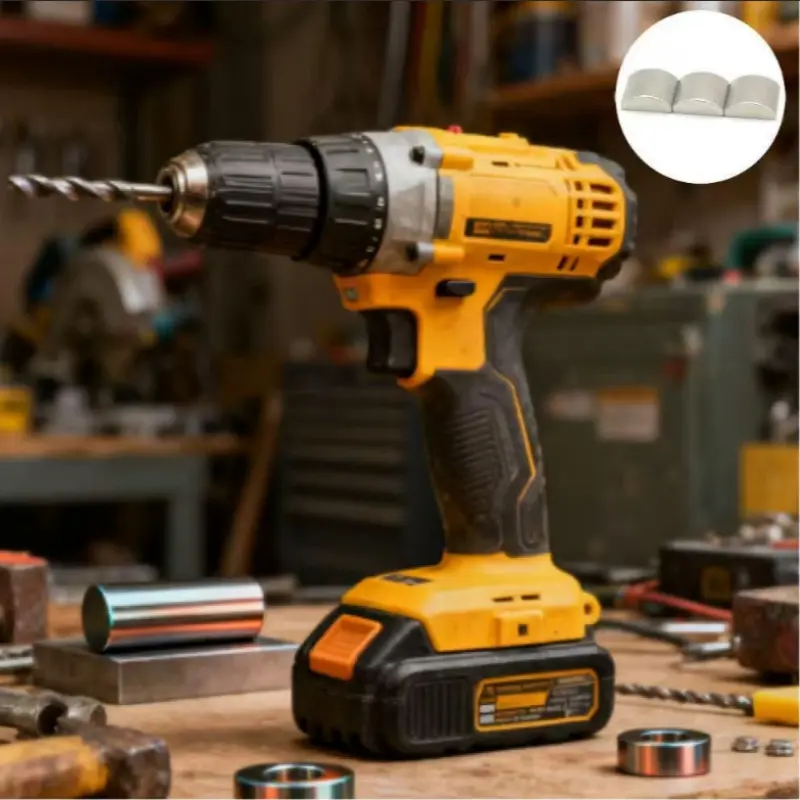
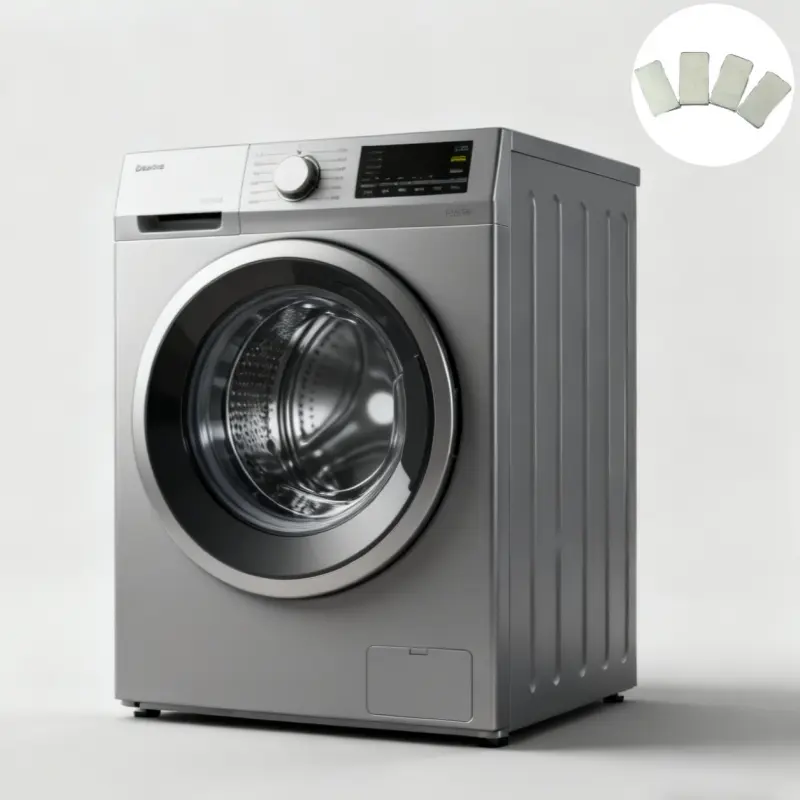
Providing specialized magnetics engineering for mission-critical applications in diverse fields.




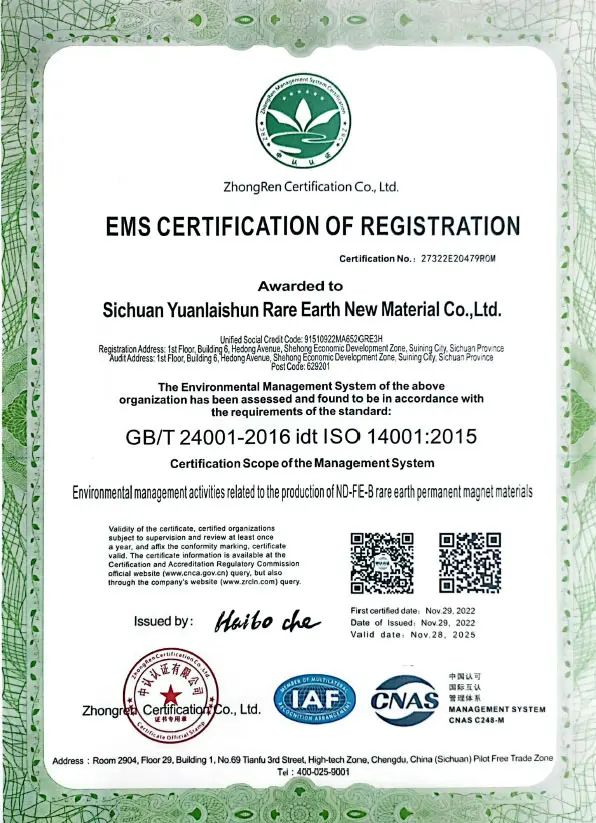
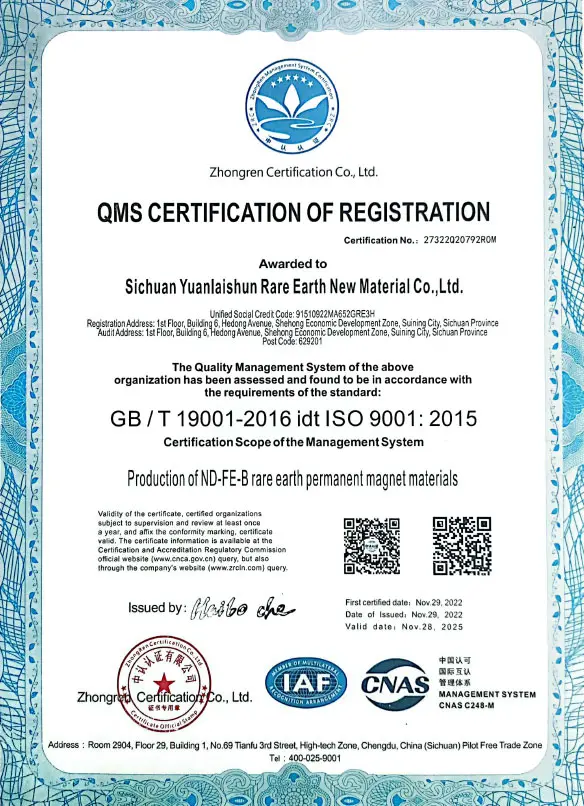
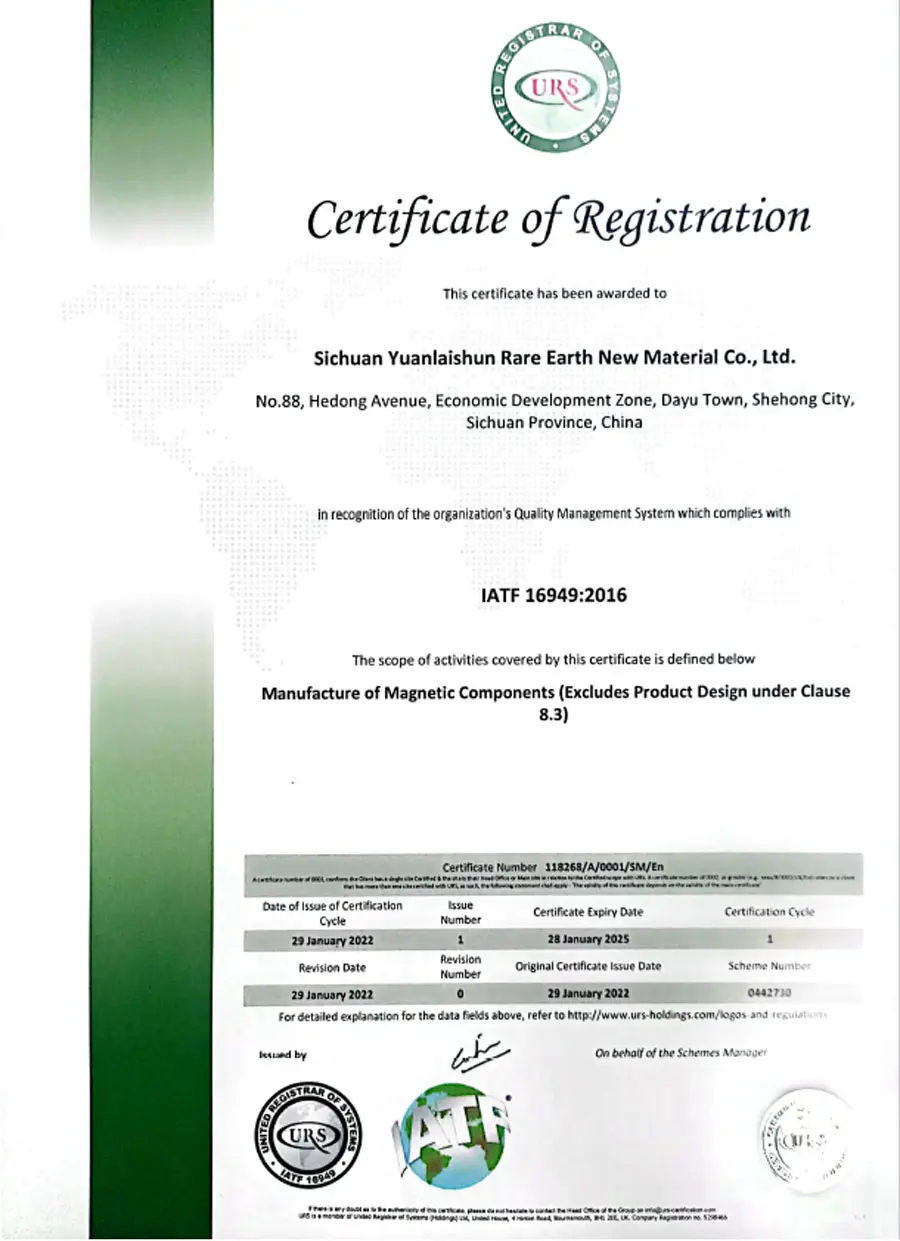
Our manufacturing and quality assurance frameworks are verified by international accreditation bodies. Zhejiang Laysun Magnetics complies with IATF 16949 (the automotive quality standard), ISO 9001, ISO 14001, and ISO 45001. This ensures that every production run meets our clients' dimensional tolerances, chemical purity specifications, and magnetic field requirements.
We perform full compliance checking for hazardous substances, verifying that our products comply with RoHS, REACH, and CE regulations. This makes our permanent magnets safe for integration into consumer goods, medical devices, and automotive components worldwide.
Our quality control center is equipped with advanced testing tools, including hysteresis graphs, Helmholtz coils, laser diffraction particle size analyzers, scanning electron microscopes (SEM), and inductive coupled plasma emission spectrometers (ICP). This instrumentation allows us to verify magnetic vector angles, thermal degradation rates, and mechanical micro-defects before shipment.
Developing green magnetic technologies and high-temperature materials for next-generation systems.
We are developing high-grade NdFeB magnets that achieve high thermal stability and coercivity without using heavy rare earths. This helps reduce raw material costs and environmental impact.
We are integrating closed-loop recycling processes into our operations to recover and re-process NdFeB waste from machining, helping to secure a sustainable long-term supply chain.
We are testing new permanent magnet alloys designed to operate in temperatures above 240°C. These materials are tailored for high-load electric vehicle drivetrains and aerospace actuators.
A structured engineering guide for sourcing high-performance magnetic assemblies.
To evaluate feasibility and provide accurate pricing, our engineering team requires details on key physical and magnetic specifications. Standard RFQ submissions should include:
Under IATA Rule 953, magnet shipments sent by air must follow strict packaging guidelines. Unshielded magnets can interfere with aircraft navigation systems.
Zhejiang Laysun Magnetics provides custom shielded packaging using sheet metal steel plates and high-density foam inserts. This shielding contains the magnetic field inside the package, ensuring compliance with air shipping rules and allowing fast delivery worldwide.
Engineering answers to common questions about neodymium magnet materials and custom magnetization.
High-grade magnetic products customized to meet demanding industrial and commercial specifications.
Headquartered in Zhejiang, China, Laysun Magnetics has built global distribution and service networks to support our clients worldwide. Our modern logistics department handles all customs documentation, import/export compliance, and shipping arrangements, ensuring reliable delivery of magnetic materials to your production facilities.
Zhejiang Laysun Magnetics Ltd.
Production Center: Suining, Sichuan, China
Sales & Logistics Hub: Hangzhou, Zhejiang, China
Contact our engineering and sales team for design support, material properties, and volume pricing. We will respond with a quote within 24 hours.
 Laysun Magnetics