Explore our engineering-grade NdFeB magnet solutions configured for industrial performance and custom specifications.
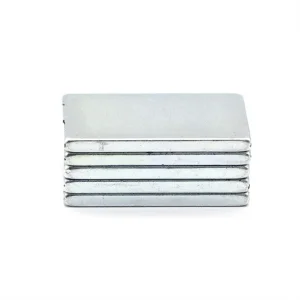
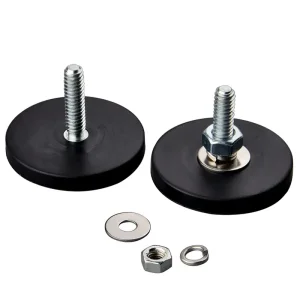
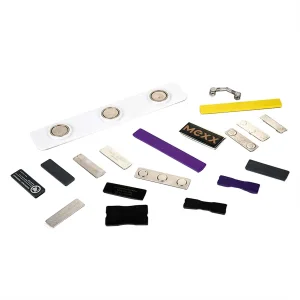
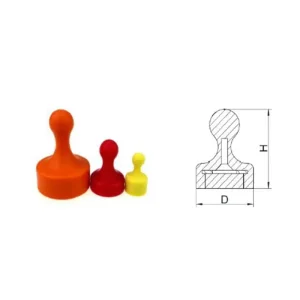
Founded at the turn of the millennium in 1999, Zhejiang Laysun Magnetics Ltd. has evolved from an ambitious high-tech startup into an internationally recognized vanguard of the rare earth magnetic materials industry. As a national high-tech enterprise, we design, manufacture, and distribute high-performance sintered NdFeB (Neodymium-Iron-Boron) magnets that empower contemporary and emerging clean energy technologies worldwide.
Our operation is anchored in our sprawling, state-of-the-art manufacturing facility covering 100,000 square meters in the strategic hub of Suining, Sichuan. Our dedication to strict quality paradigms is supported by over 300 skilled employees and a dedicated materials engineering division, enabling an annual output capacity of 5,000 tons of premium rare earth products.
By leveraging advanced material science, vertical supply integration, and lean manufacturing processes, we balance cost efficiency and mechanical dependability. This allows us to supply competitive, high-yield solutions to Tier-1 automotive providers, electronics manufacturers, and aerospace systems integrators.
Understanding the pricing mechanisms, cost structures, and mineral sourcing configurations behind sintered NdFeB magnets.
Up to 75-80% of the cost per kilogram of a neodymium magnet is driven directly by the raw rare-earth element (REE) market. The baseline composition relies heavily on Praseodymium-Neodymium (PrNd) alloy. Elevated thermal requirements (H, SH, UH, EH, AH grades) require heavy rare earths like Dysprosium (Dy) and Terbium (Tb) to preserve structural magnetic integrity, which adds cost.
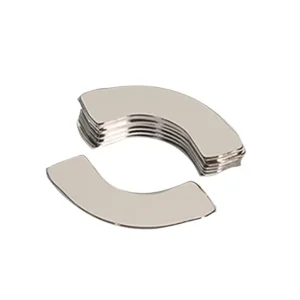
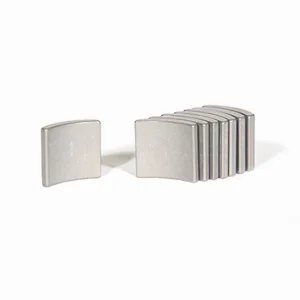
Sintered NdFeB is inherently brittle and manufactured in large blocks or cylinders before being sliced into final dimensions using wire-EDM or diamond-blade dicing. Intricate custom profiles (arcs, multi-slotted blocks) incur higher processing waste, lowering the final yield per raw kilogram and driving up the cost of the finished product.
Because Neodymium is highly susceptible to atmospheric oxidation, high-quality plating is essential. Cost per kg varies based on whether standard Nickel-Copper-Nickel (Ni-Cu-Ni), corrosion-resistant epoxy resins, protective rubber encapsulation, or specialized passivation layers are applied.
| Magnet Grade Group | Max Operating Temp (°C) | Composition Modifiers (Dy/Tb) | Typical Applications | Relative Cost Factor |
|---|---|---|---|---|
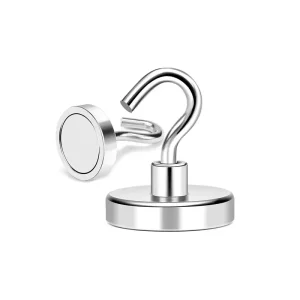
| N Series (N35 - N52) | 80°C | 0% (Standard PrNd Base) | Consumer Electronics, Magnetic Hooks, ID Badges | Base Reference (1.0x) |
| M & H Series (e.g., N42H) | 100°C - 120°C | Low content (0.5% - 1.5% Dy) | Acoustic Drivers, Voice Coil Motors (VCM), Industrial Sensors | 1.15x - 1.3x |
| SH & UH Series (e.g., N38UH) | 150°C - 180°C | Medium content (2% - 4% Dy/Tb) | Automotive EPS, High-Performance Industrial Motors | 1.4x - 1.7x |
| EH & AH Series (e.g., N35AH) | 200°C - 240°C | High content (5% - 8% Dy/Tb) | Electric Vehicle (EV) Traction Motors, Aerospace Actuators | 1.9x - 2.5x+ |
Why sourcing from Zhejiang Laysun's Suining production base ensures optimal pricing, raw material security, and green energy utilization.
Sintering Neodymium magnets is an energy-intensive process requiring high-temperature vacuum furnaces. Located in Suining, Sichuan, our factory operates on clean, abundant hydroelectric power. This reduces carbon footprint and lowers local utility costs, allowing us to pass energy savings directly to our customers.
By sourcing rare-earth oxides in close proximity to major extraction hubs in Southern and Western China, we mitigate transport delays and raw material pricing speculation. This geographical advantage ensures a steady supply of Nd, Pr, Dy, and Tb, even during market fluctuations.
We control the entire process from strip casting and hydrogen decrepitation to jet milling, pressing, and sintering. Managing slicing, wire cutting, plating, and testing under one roof minimizes external transit costs and keeps material loss to a minimum.
How global industries integrate our sintered Neodymium magnets to achieve high power density and reliable mechanical performance.
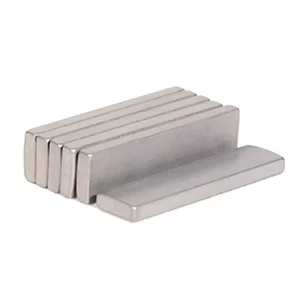
Modern automotive Electric Power Steering (EPS) and main EV traction motors require stable, high-coercivity magnets. By utilizing customized NdFeB block magnets optimized with grain boundary diffusion, automotive suppliers improve motor efficiency and torque density while controlling unit weight.
Voice coil motors (VCM) for hard disk drives, mobile phone camera actuators, and high-fidelity speakers rely on precise magnetic fields. Sintered NdFeB rings and custom segments provide the high BHmax needed to ensure rapid response and clear acoustic output.
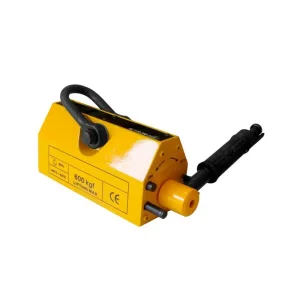
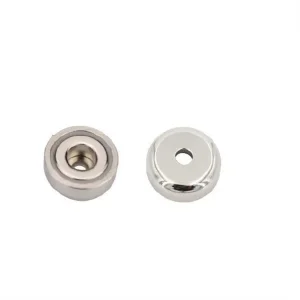
From magnetic lifting rigs handling heavy steel sheets to robotic end-of-arm tools, our NdFeB magnets provide dependable holding force without requiring continuous power supply. This ensures safety during material handling and lifting operations.
How Laysun Magnetics is addressing the next generation of rare earth material optimization and cost stabilization.
Standard methods for improving temperature performance involve adding heavy rare earths (Dy/Tb) directly to the base alloy melt. However, this raises raw material costs and can reduce remanence (Br). To address this, Zhejiang Laysun Magnetics employs Grain Boundary Diffusion (GBD) technology. By diffusing Dy or Tb compounds selectively into the sintered magnet's boundary phases post-sintering, we increase coercivity (Hcj) while minimizing heavy rare earth consumption. This provides a more cost-effective high-temperature magnet.
As green energy standards tighten globally, rare earth recycling is becoming a priority. Our technical roadmap focuses on integrating pre-consumer sintered scrap back into our production loop through chemical re-refining. This circular approach helps insulate our clients from raw material market spikes and aligns with global ESG directives.
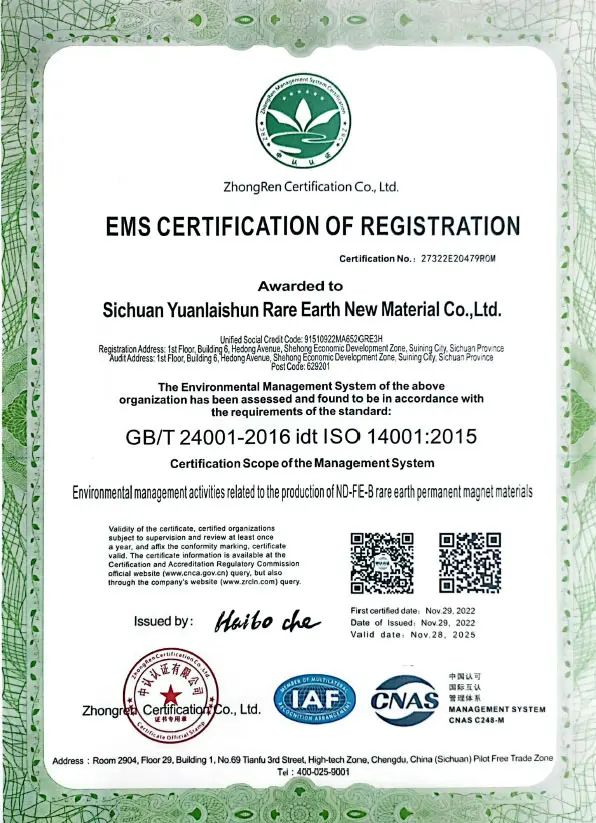
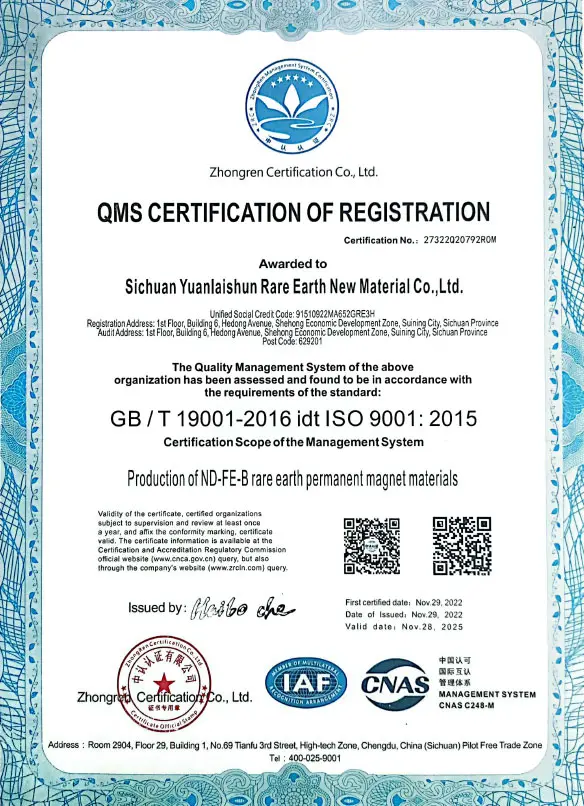
We believe that low cost must not compromise component reliability. Zhejiang Laysun Magnetics maintains a robust quality management framework certified across multiple international standards. Our manufacturing processes conform to:
Each delivery batch undergoes comprehensive demagnetization curve analysis using professional hysteresigraph systems, alongside salt spray testing to verify plating durability in demanding environments.
Get answers to common technical and commercial questions about Neodymium Magnet sourcing and pricing.
A1: The pricing structure of sintered NdFeB is divided into three main components: raw material market rates (principally PrNd alloy, along with Dy and Tb for high-temperature grades), manufacturing yield (which depends on size, shape complexity, and wire-EDM loss), and surface plating specifications (such as Ni-Cu-Ni, epoxy, zinc, or rubber coatings).
A2: Standard N-grade magnets operating up to 80°C contain minimal heavy rare earth elements. High-temperature grades (M, H, SH, UH, EH, AH series) require Dysprosium (Dy) and Terbium (Tb) to prevent thermal demagnetization. Because these minerals are less abundant and more costly, the overall price per kg increases as the temperature rating goes up.
A3: The standard production cycle ranges from 20 to 30 days. This timeline accounts for smelting, casting, powder jet-milling, magnetic field alignment, sintering, wire-slicing to final tolerances, plating, magnetization, and QA testing. Rush prototypes can sometimes be expedited depending on raw block availability.
A4: Zhejiang Laysun Magnetics operates a major 100,000 m² factory in Suining, Sichuan. This location offers direct access to regional hydroelectric power and local mineral supplies, helping reduce production costs. By purchasing directly from the manufacturer rather than a trading company, buyers avoid middleman markups and gain direct technical support for custom design requirements.
A5: For standard conditions, Ni-Cu-Ni multi-layer plating provides reliable protection. For marine or humid environments, we recommend black or grey epoxy resin, Teflon (PTFE) coatings, or complete rubber encapsulation. These options shield the inner NdFeB core from moisture and chemical exposure.
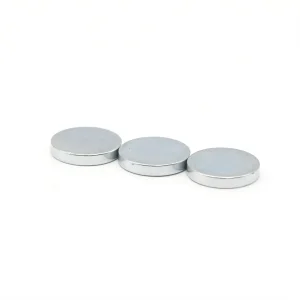
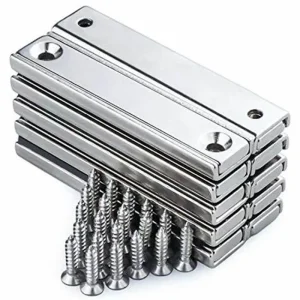
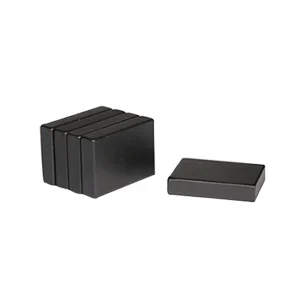
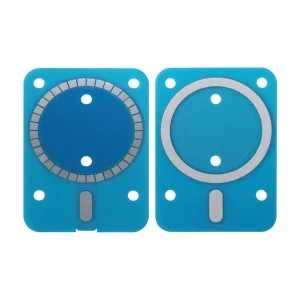
Review our core technical offerings, from raw magnetic alloys to specialized phone-ring adapters and high-coercivity motor blocks.
 Laysun Magnetics