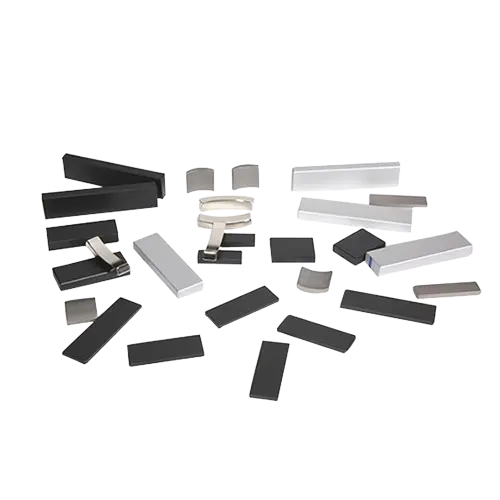
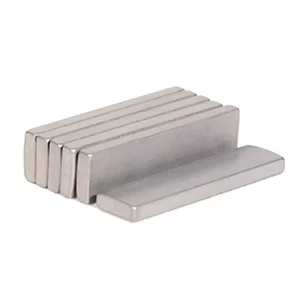
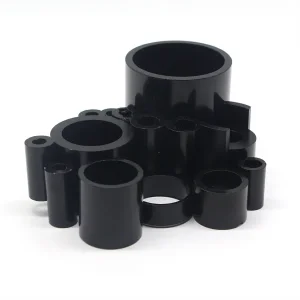
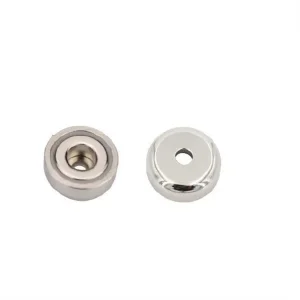
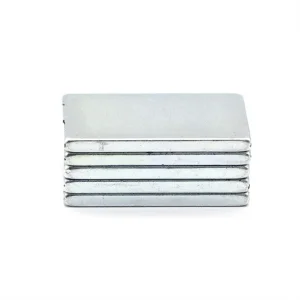
High-intensity neodymium separation components designed for extreme purity standards, low-wear operation, and heavy industrial processing flowlines.

In modern industrial food processing, physical contamination represents a primary hazard category that challenges quality assurance teams, threatens brand equity, and presents significant public health risks. The presence of metal foreign objects—ranging from fine iron dust originating from abrasive machinery wear to structural metal fragments, screws, and broken process wire meshes—can cause severe consumer injury, damage high-speed processing machinery, and lead to disastrous, multi-million dollar product recalls.
Magnetic separation technology is the frontline defensive mechanism utilized globally to mitigate these hazards. By positioning high-intensity magnetic circuits within processing streams, operators can extract both ferromagnetic (iron, steel) and weakly paramagnetic contaminants (such as work-hardened stainless steel 304 or 316) from dry powders, bulk granular media, liquid pastes, and slurry transport channels. Zhejiang Laysun Magnetics Ltd., leveraging over two decades of metallurgical research and system manufacturing, supplies the key rare earth magnetic assemblies required to design compliant, fail-safe separation machinery for the global food sector.
Under global food safety frameworks including HACCP (Hazard Analysis Critical Control Point), GFSI (Global Food Safety Initiative) recognized schemes like BRCGS, IFS, and FSSC 22000, and regulatory guidelines by the US FDA and European EHEDG, magnetic separators are classified as Critical Control Points (CCPs) or Operational Prerequisite Programs (OPRPs). They require verified magnetic flux values (often demanding 10,000 to 12,000 Gauss at the contact surface) and rigorous annual validation protocols.
The global demand for magnetic separation technology is rising, driven by shifting demographics, rapid urbanization, and a highly protective global regulatory landscape. Across the Americas, Europe, and Asia-Pacific, food producers are faced with stringent standards regarding permitted particulate levels. The European Food Safety Authority (EFSA) and the United States Department of Agriculture (USDA) specify zero-tolerance thresholds for foreign metallic objects exceeding 7mm in size, while most retail auditing criteria demand detection thresholds down to 1mm or even sub-millimeter iron dust components.
Historically, manufacturers relied on standard ferrite permanent magnets. However, the rise of high-capacity processing lines—running thousands of kilograms of product per hour—demands far more powerful solutions. Modern systems utilize high-grade Neodymium-Iron-Boron (NdFeB) rare earth chemistry, which allows for the creation of compact, ultra-high-gradient magnetic fields that capture particles so small they are invisible to the naked eye. In countries like China, Germany, and the United States, importing and exporting high-performance magnetic separation hardware has become a strategic link in the agricultural supply chain.
Established in 1999, Zhejiang Laysun Magnetics Ltd. has built a reputation as a pioneer in the rare earth magnet manufacturing sector. As a national high-tech enterprise, the company has integrated advanced research, specialized production lines, and strict quality control measures to serve the critical needs of global industrial consumers, including food manufacturing machinery developers and magnetic separator OEMs.
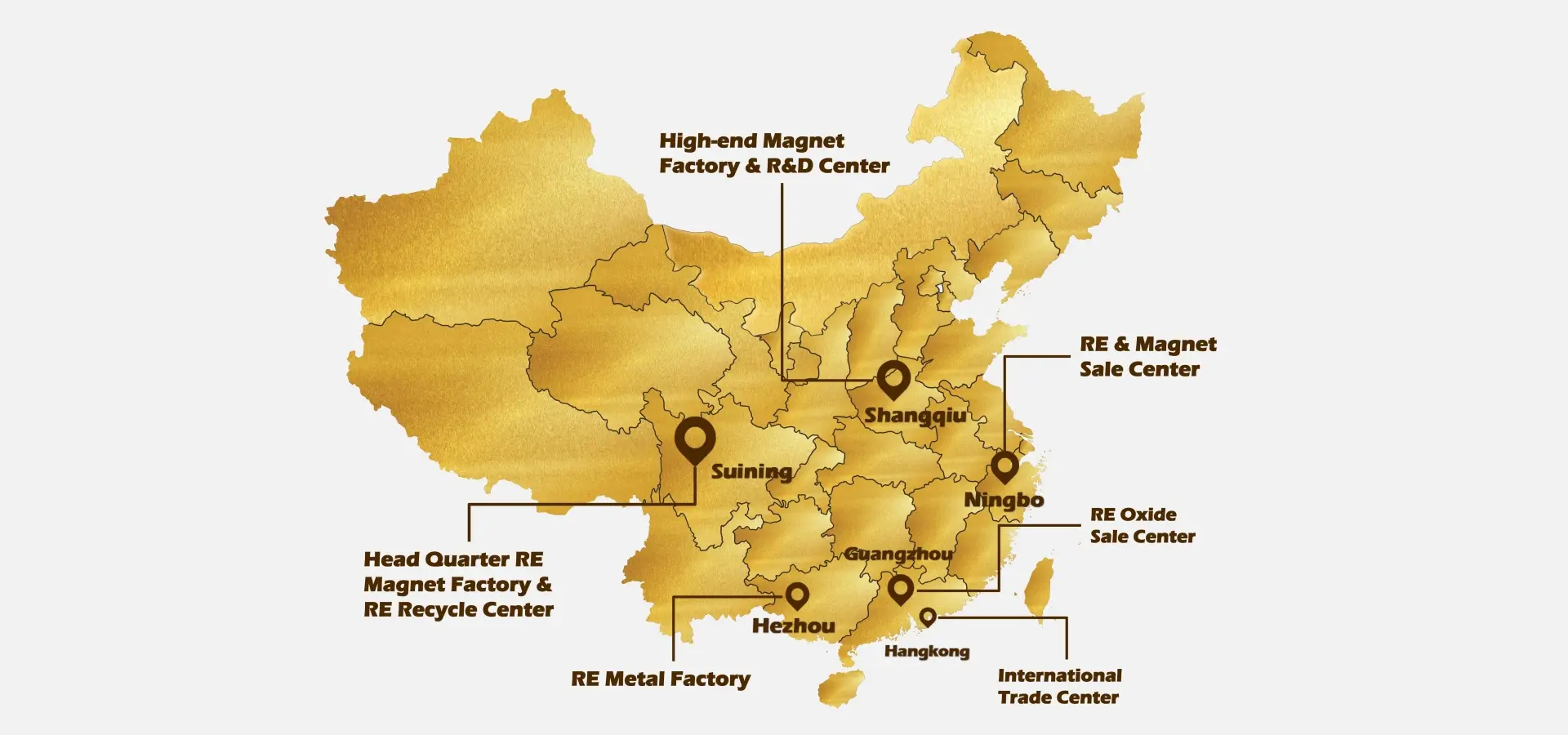
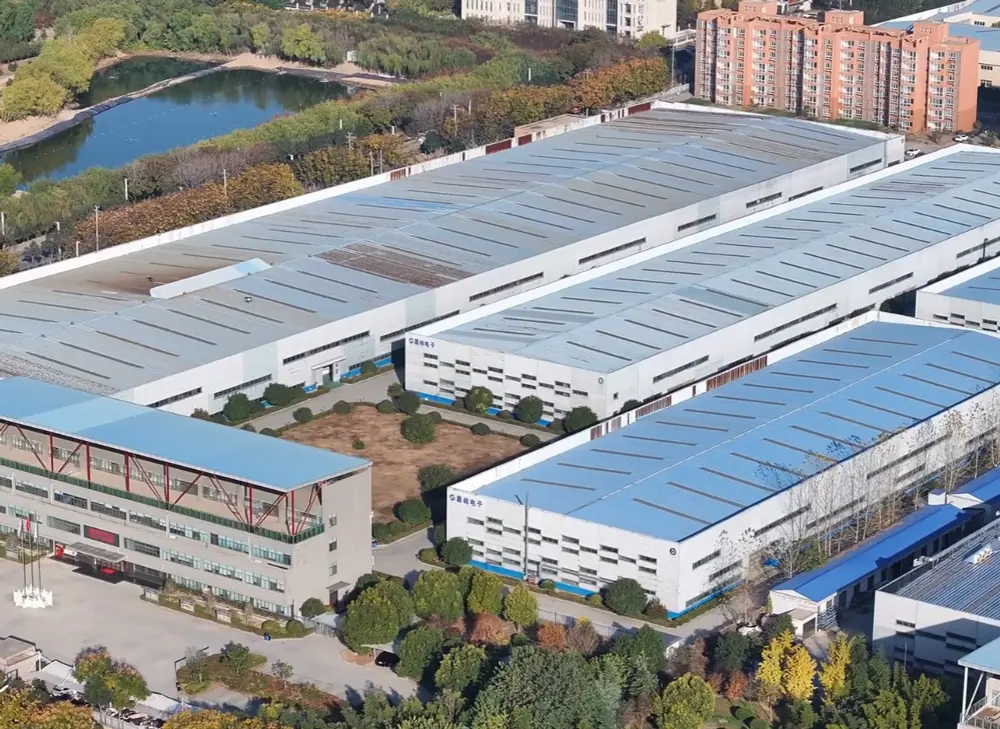
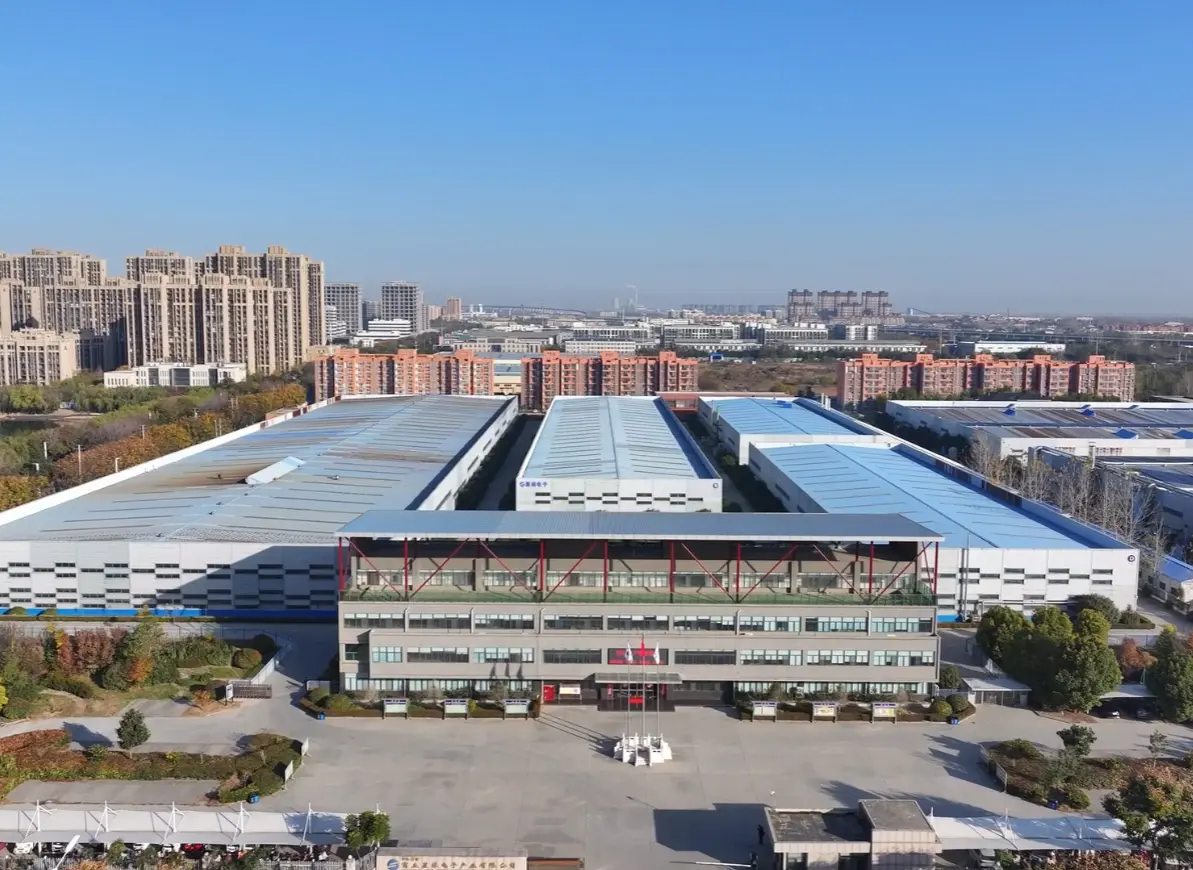
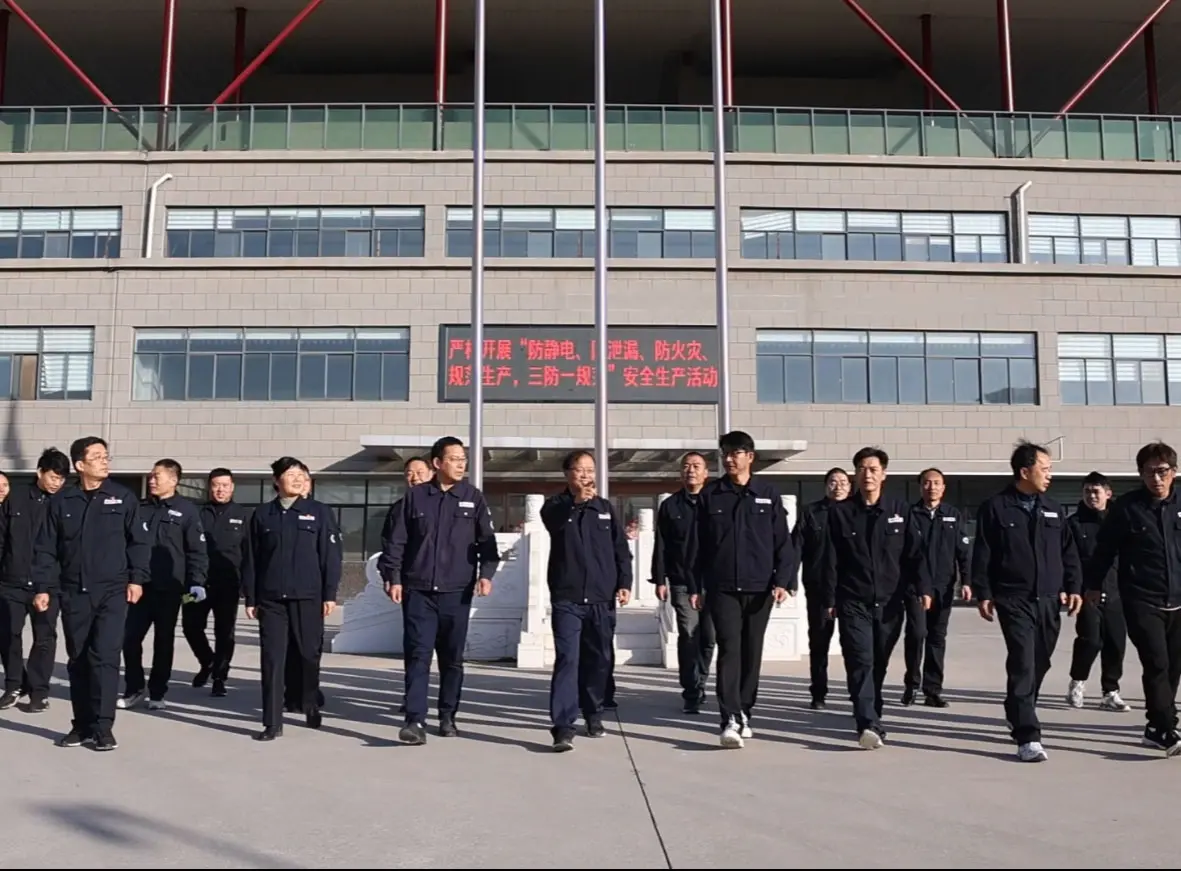
Our manufacturing foundation is built on an expansive 100,000 square meter factory located in Suining, Sichuan. This state-of-the-art facility houses our advanced vacuum induction smelting furnaces, inert-atmosphere jet mills, and fully automated isostatic pressing machines. Backed by a dedicated workforce of over 300 skilled professionals, including material scientists and mechanical engineers, we operate a highly efficient production lifecycle capable of yielding an annual output of 5,000 tons of high-performance rare earth NdFeB permanent magnets.
By controlling the entire process from raw material sorting to final electroplating and magnetic validation, we ensure that every magnet delivered to the food industry maintains superior mechanical stability, uniform flux density, and long-term resistance to demagnetization under thermal stress.
As food processing plants become increasingly automated, the demands placed on magnetic separation systems are shifting. The industry is moving away from manual maintenance routines and toward smart, integrated automation solutions. Here is the technical roadmap shaping the next decade of magnetic engineering:
Traditional magnetic separators require periodic manual checks to verify magnetic flux density (Gauss) and to measure the volume of captured contaminants. The future lies in real-time, in-line magnetic field monitoring. By embedding hall-effect sensor chips directly within the core of the magnet tubes, separators can wirelessly transmit operational health data to central SCADA systems. If a separator experiences thermal shock or physical degradation that lowers its magnetic flux, an automated alert is triggered, preventing unseparated material from passing down the line.
To reduce downtime and prevent cross-contamination, self-cleaning magnetic grates are becoming standard in high-volume powder handling plants. These pneumatic systems slide the magnetic cores out of their stainless-steel sleeves, allowing the collected iron particles to drop safely into a waste chute without stopping production. Future configurations focus on sanitary CIP integrations, enabling chemical sanitization fluids to wash the separator without damaging the internal neodymium cores.
Standard neodymium magnets (grade N) suffer irreversible magnetic losses if exposed to operating temperatures exceeding 80°C. For industrial processes such as chocolate refining, warm milk pasteurization, or starch drying (which routinely exceed 120°C), engineers must utilize specialized high-temperature grades (such as UH, EH, or AH). Our technical roadmap focuses on the synthesis of novel NdFeB alloys with dysprosium (Dy) and terbium (Tb) grain boundaries, pushing working limits beyond 200°C without sacrificing surface flux density.
Our commitment to supplying the food processing industry is defined by four core operational pillars, ensuring we remain a preferred export partner globally:
We utilize premium-grade rare earth oxides and apply strict magnetic property checking. Every export batch is fully certified for composition, density, and magnetic force values, assuring safe contact with sensitive food ingredients.
Through advanced sintering processes and grain boundary diffusion treatments, we produce magnets with higher coercivity, minimizing the risk of degradation in harsh washdown environments.
With a 5000-ton capacity, we maintain extensive raw material reserves, insulating our partners from market price fluctuations and ensuring reliable lead times for large-scale engineering projects.
Magnetic separation is not a one-size-fits-all solution; different food matrices present unique mechanical behaviors and contaminant profiles. Below is how we tailor magnetic circuits for specific processing environments:
Dry materials are highly prone to bridge and block if flow channels are restricted. Our recommended solution features Easy-Clean Easy-Slide Magnetic Grates. These grates feature high-intensity neodymium rods (12,000 Gauss) arranged in staggered patterns, forcing the falling powder to pass directly through the peak magnetic field areas. This setup captures both fine steel filings and iron-rich dust generated by milling stones and sorting screens.
Viscous fluids create drag forces that can strip captured metallic contaminants off magnetic surfaces. To combat this, we use Liquid Plate Separators and Magnetic Liquid Traps. These units use a diversion baffle to slow product velocity, directing the flow path into contact with a high-gradient magnetic plate. The captured metal is held securely against the plate, shielded from the liquid flow until the system is cleaned.
For materials blown through pneumatic transport ducts, separators must handle high-velocity impacts without creating pressure drops. Specialized inline Bullet or Bullet-Type Magnetic Separators feature a conical core positioned directly within the product stream. The aerodynamic design routes the material around the high-intensity magnet, securing contaminants on the back side of the cone to prevent re-entrainment.
We engineer magnetic solutions for diverse manufacturing sectors, providing high-efficiency separation across complex materials.



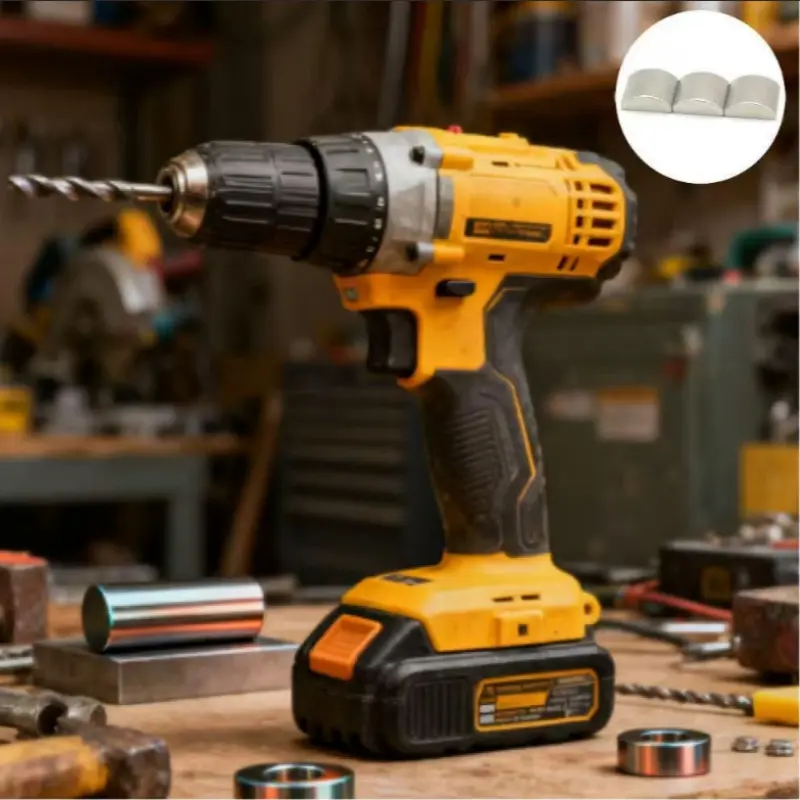


Essential insights for engineering, QA, and production managers handling food-grade magnetic separators.
Every magnetic component we manufacture is compliant with international environmental and quality management standards: API 6D, API 607, CE, ISO9001, ISO14001, ISO18001, TS.
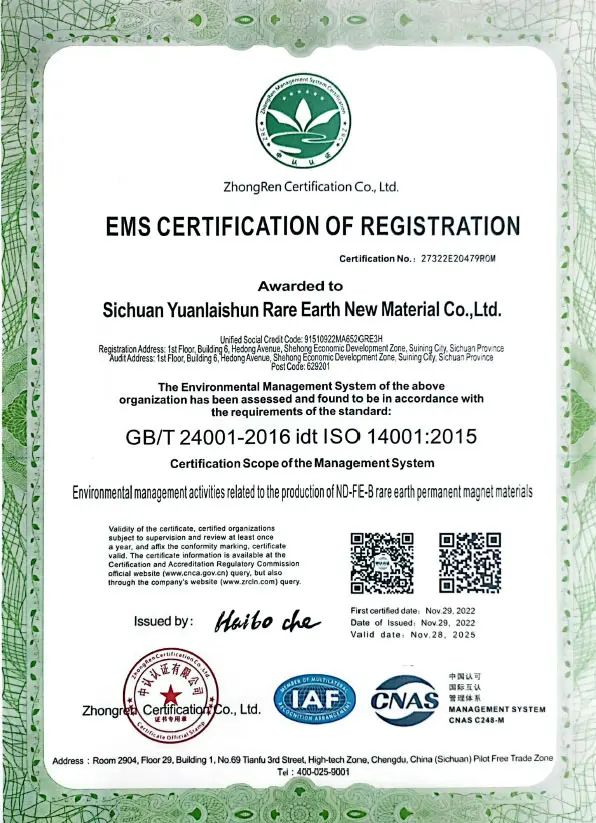
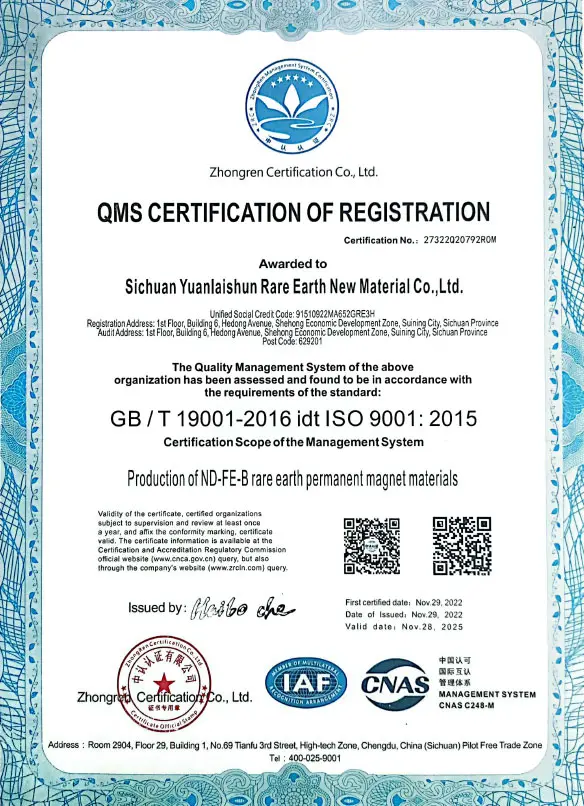
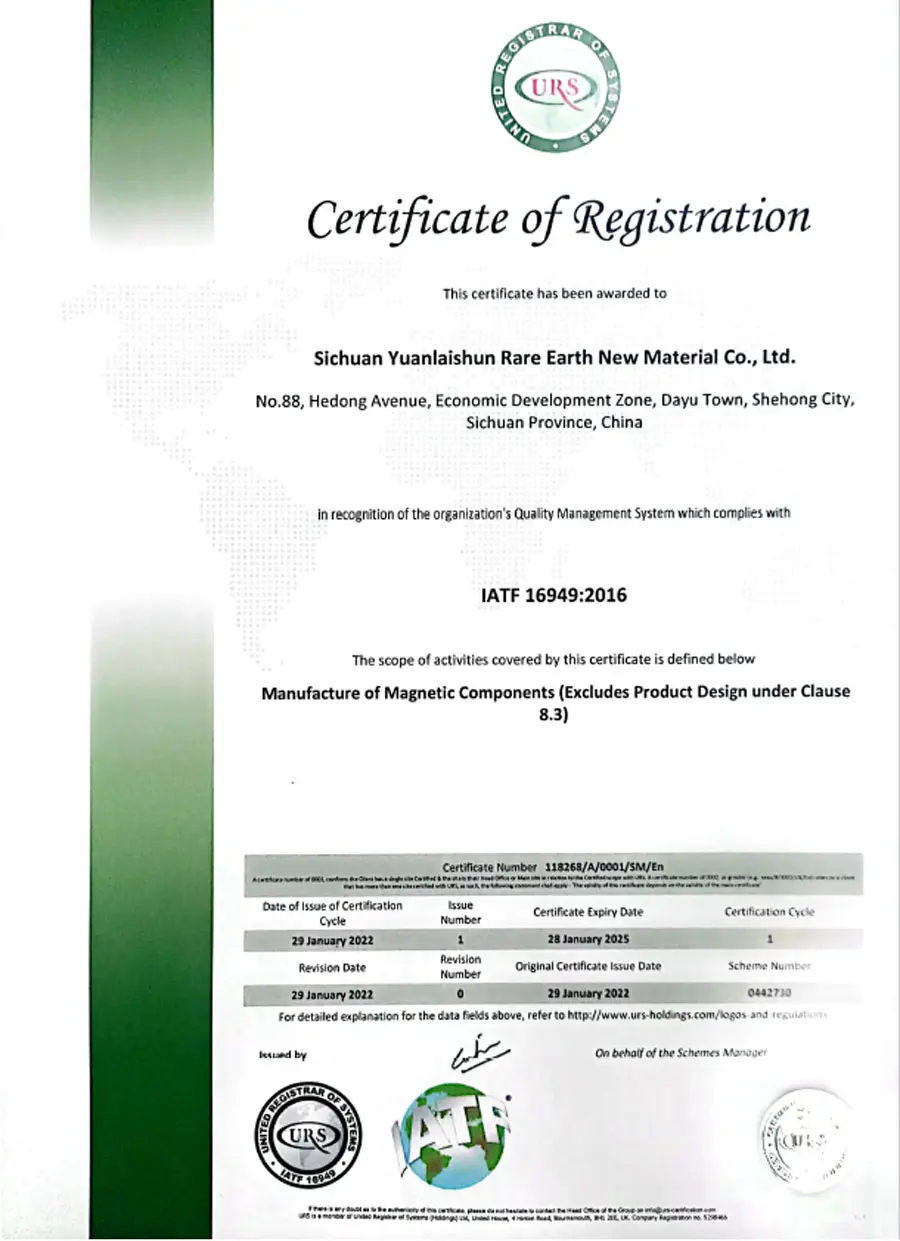
Our global operations are managed out of Hangzhou, China, coordinating with regional sales divisions and customer support centers to deliver rapid logistics support, technical consulting, and customs handling services worldwide.
We work closely with food processing brands, agricultural engineers, and material handling system integrators across the Americas, Europe, Southeast Asia, and the Middle East, delivering custom magnetic components designed to fit existing process lines.
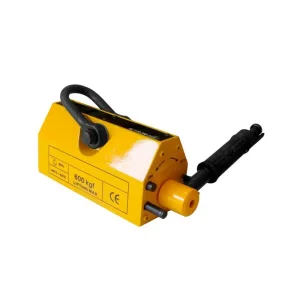
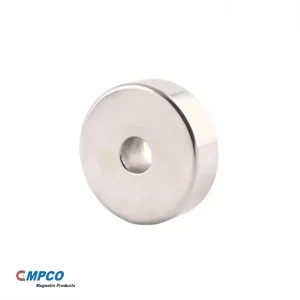
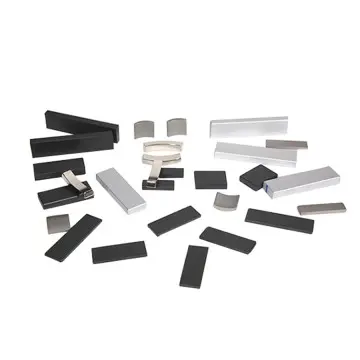
High-performance permanent magnets, lifting components, and specialized OEM magnetic assemblies manufactured to high industrial tolerances.
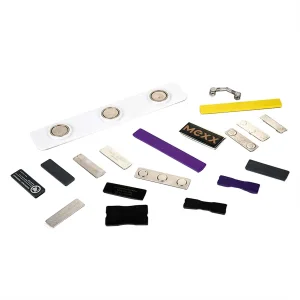
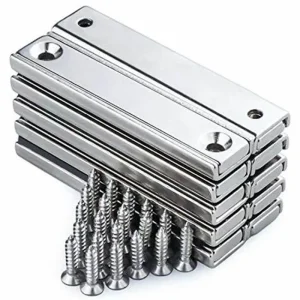
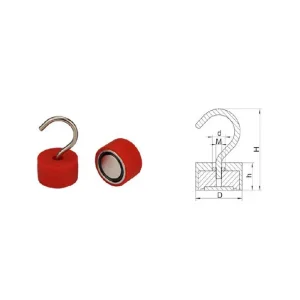
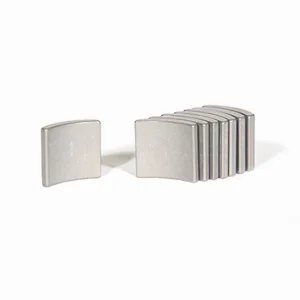
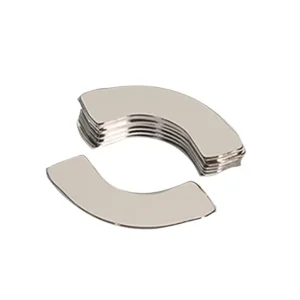
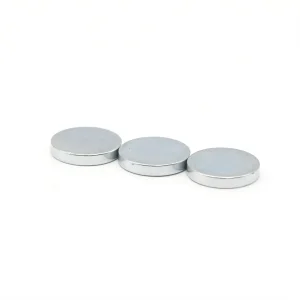
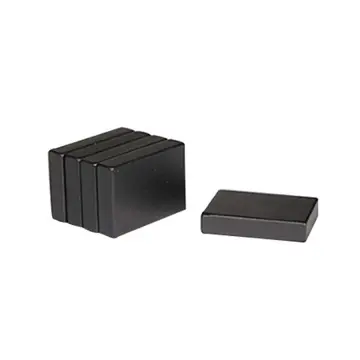
Rough machined sintered blocks prepared for slicing, grinding, and wire-cut electrical discharge machining (EDM).
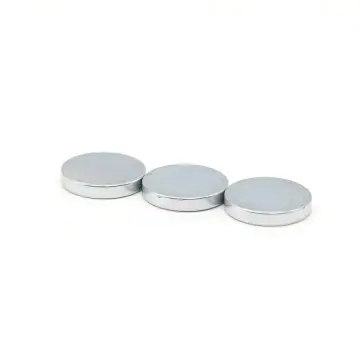
Our multi-layer Nickel-Copper-Nickel and plastic coating processes offer long-term resistance to corrosion and moisture.
Our 100,000 square meter factory complex manages high-volume material separation shipments for global OEMs.
 Laysun Magnetics