Industrial grade assemblies, customized neodymium systems, and high-coercivity permanent magnetic units.
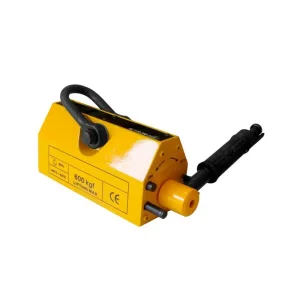
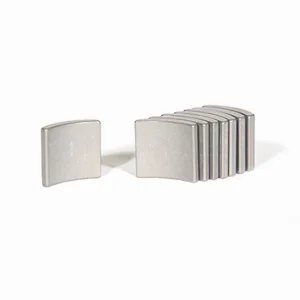
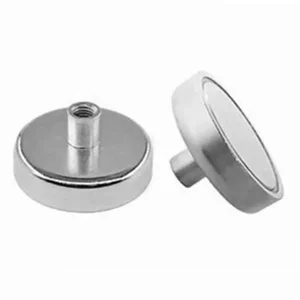
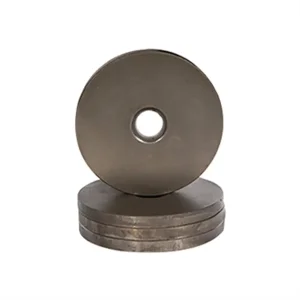
An in-depth analysis of magnetic behavior, crystallography, and engineered substitutions.
Magnetite ($Fe_3O_4$) is one of the most magnetically responsive minerals found in nature. Crystallizing in the inverse spinel structure, it exhibits ferrimagnetism, which arises from the antiferromagnetic coupling between the trivalent iron ions ($Fe^{3+}$) on the tetrahedral sites and the divalent/trivalent iron ions ($Fe^{2+}$ and $Fe^{3+}$) on the octahedral sites. Understanding the fundamental magnetic properties of magnetite is critical for applications spanning heavy media separation, environmental remediation, biogeochemical tracing, and the synthesis of soft magnetic ferrites.
Pure magnetite exhibits a saturation magnetization of approximately 90-92 emu/g at room temperature (equivalent to ~480 kA/m). This characteristic determines the maximum tractive force of the material in dry and wet magnetic separators.
The Curie temperature of magnetite is approximately 580 °C (853 K). Beyond this threshold, thermal fluctuations disrupt the long-range magnetic ordering, causing a phase transition from ferrimagnetic to paramagnetic state.
Magnetite typically displays low to moderate coercivity (typically between 50 to 200 Oe, depending heavily on particle size and shape anisotropy). This makes it physically distinct from high-performance NdFeB permanent magnets.
While magnetite serves foundational roles in mineral processing and basic induction, industrial applications require significantly higher energy densities. The maximum energy product $(BH)_{max}$ of natural magnetite is extremely low (<1 MGOe). In contrast, modern Neodymium-Iron-Boron (NdFeB) permanent magnets achieve energy products exceeding 50 MGOe. Zhejiang Laysun Magnetics specializes in synthesizing high-performance rare-earth magnetic solutions that offer up to 50 times the magnetic strength of traditional magnetite structures per unit volume, enabling the miniaturization of modern motors and sensors.
| Magnetic Property | Natural Magnetite (Fe₃O₄) | Sintered NdFeB (Rare Earth) | Industrial Implications |
|---|---|---|---|
| Remanence ($B_r$) | ~0.2 - 0.4 T | 1.0 - 1.45 T | NdFeB delivers far higher flux density in motor gaps. |
| Coercivity ($H_{cj}$) | ~4 - 16 kA/m | >800 - 2400 kA/m | NdFeB is highly resistant to demagnetizing fields. |
| Max Energy Product ($(BH)_{max}$) | < 5 kJ/m³ | 280 - 420 kJ/m³ | Allows high torque densities in compact EV and drone motors. |
| Thermal Stability | $T_c \approx 580^\circ\text{C}$ | $T_c \approx 310 - 350^\circ\text{C}$ | Magnetite handles higher heat before transition, but NdFeB can be doped with Dy/Tb. |
A national high-tech leader in rare earth permanent magnet manufacturing since 1999.
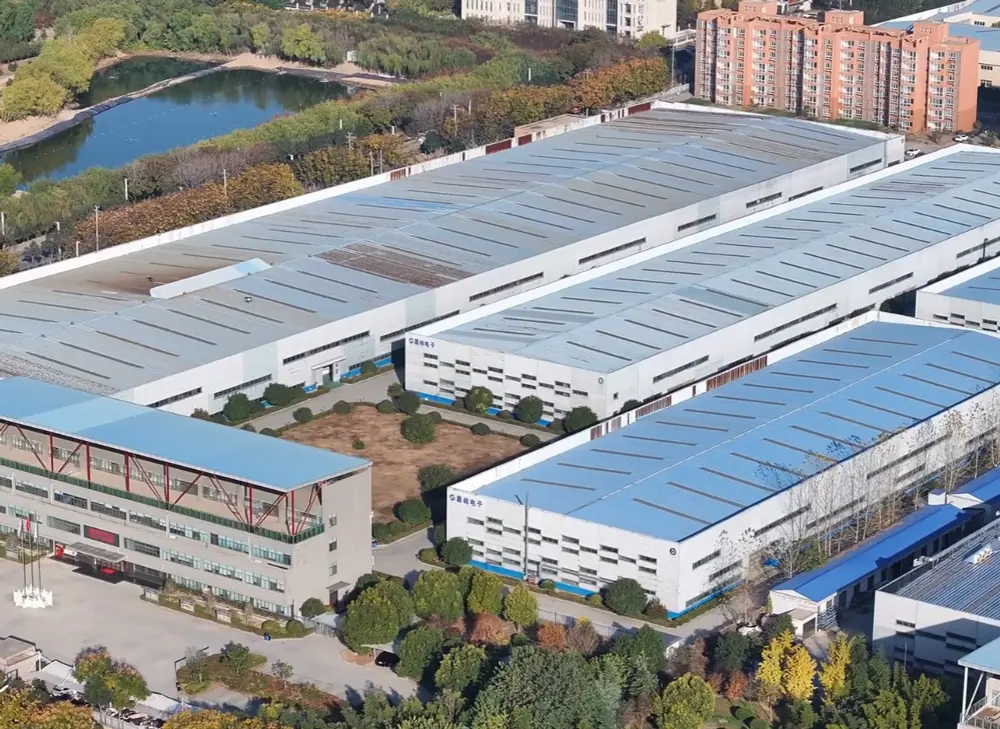
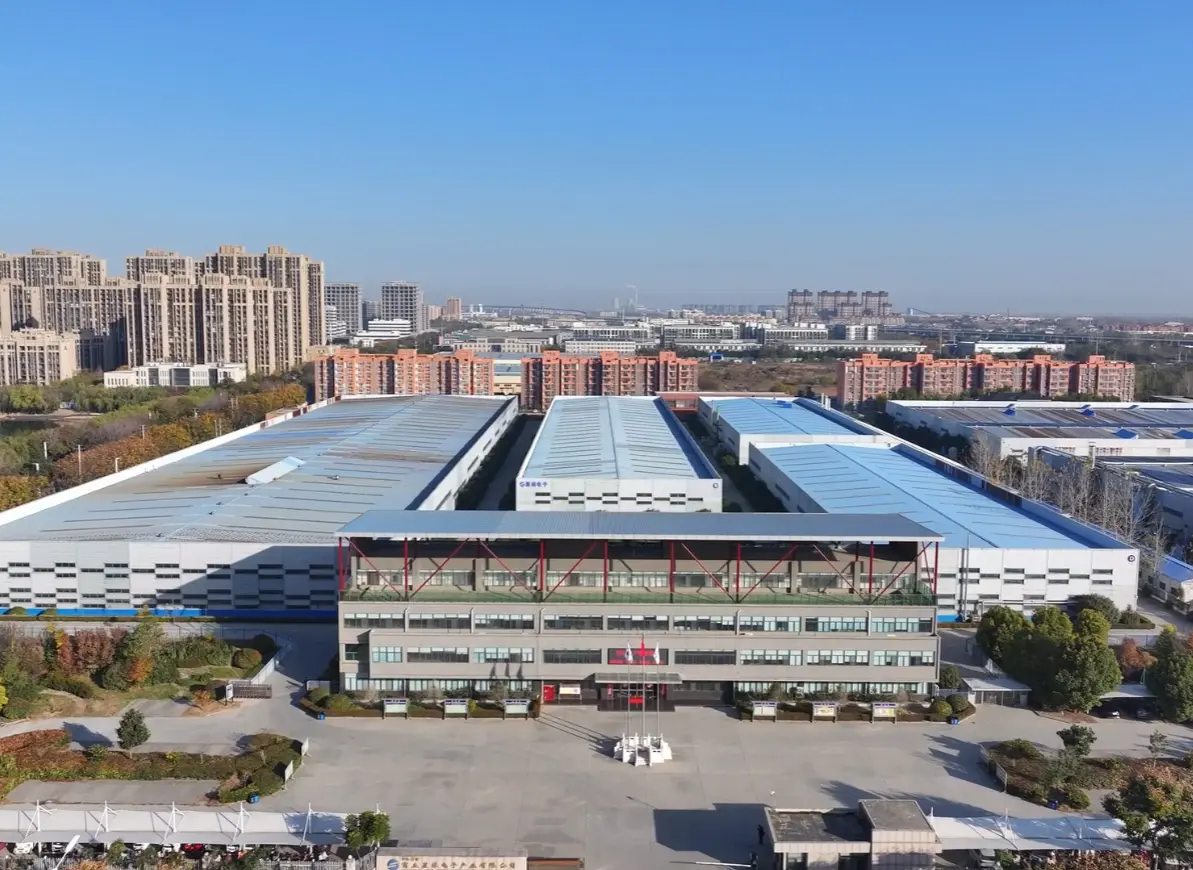
Founded at the turn of the millennium, Zhejiang Laysun Magnetics Ltd. has rapidly evolved from a visionary startup into an industry pacesetter. Our state-of-the-art manufacturing facility, sprawling across 100,000 square meters in the vibrant region of Suining, Sichuan, serves as the engineering heart of our operation. Supported by an expert workforce of over 300 dedicated professionals, we maintain a robust annual output capacity of 5,000 tons of advanced rare earth NdFeB magnets.
Addressing the shifting paradigm in automation, green energy transition, and supply chain resiliency.
Modern Electric Vehicles demand magnets with extremely high intrinsic coercivity ($H_{cj}$) and thermal endurance. In Electric Power Steering (EPS) systems, magnets must maintain strict flux symmetry and low cogging torque across operational temperatures ranging from -40°C to 150°C. Zhejiang Laysun Magnetics provides advanced grain boundary diffusion (GBD) technologies, replacing heavy rare earths (Dy/Tb) at critical boundary interfaces to optimize cost without compromising magnetic performance.
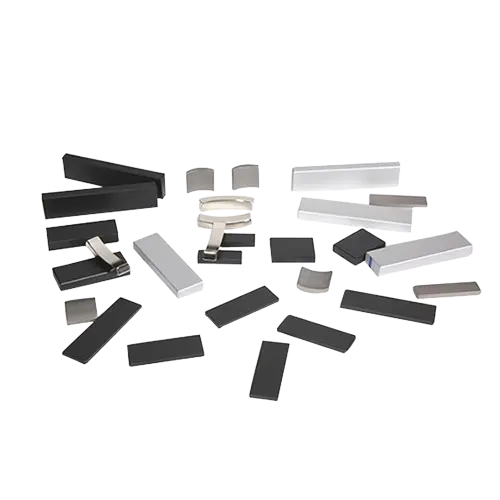
Servo motors drive modern robotic joints, demanding highly uniform NdFeB blocks and rings with high dimensional precision. Our surface coating technologies (nickel-copper-nickel, epoxy, and chemical vapor deposition of aluminum) guarantee protection against high humidity and chemical exposure in modern automated assembly lines.
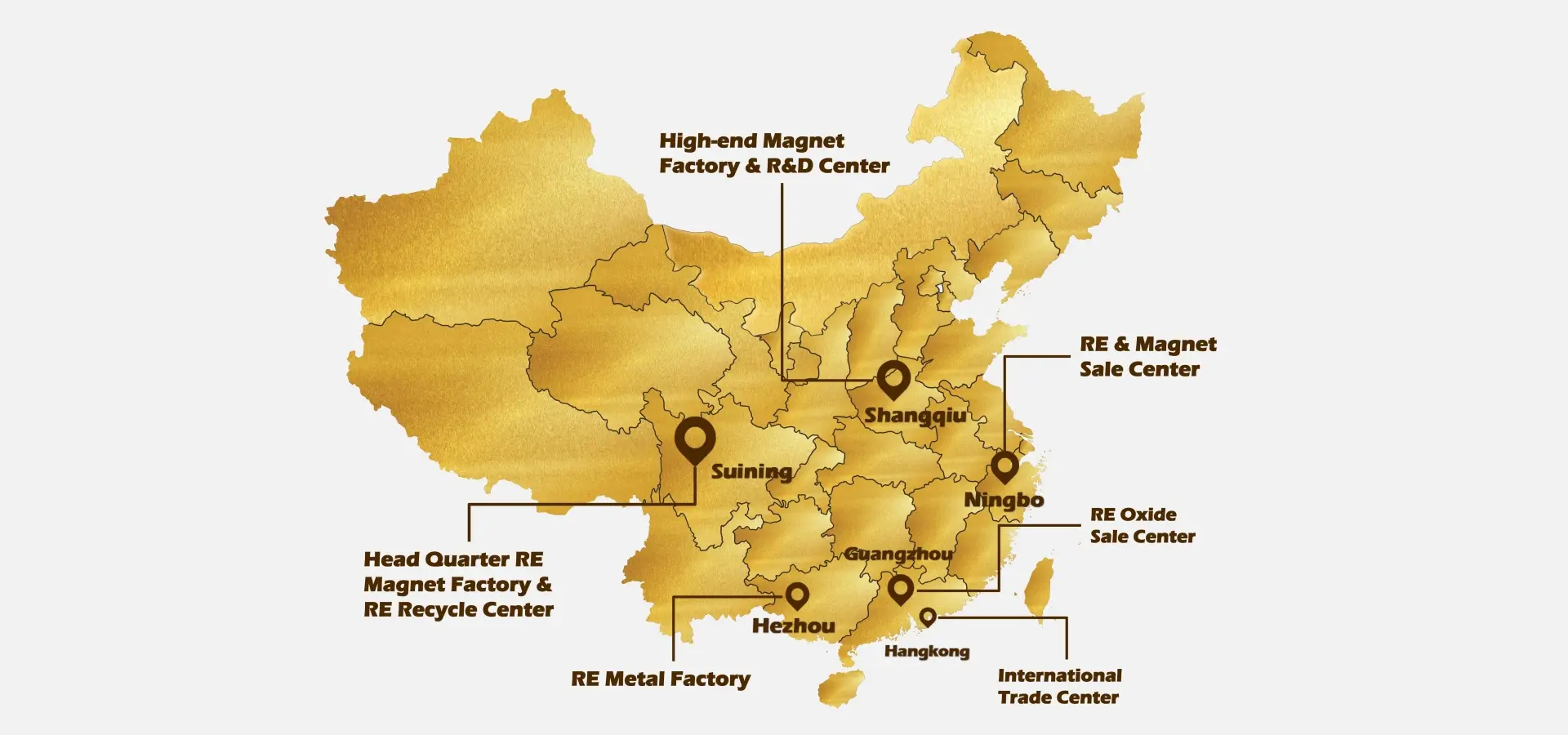
Procuring raw magnetic materials involves navigating complex global mineral supply chains. As a fully integrated manufacturer located in China's prime rare earth production zone, Zhejiang Laysun Magnetics secures stable upstream material supplies. This buffer guarantees long-term price stability and scheduled deliveries to key industrial hubs worldwide.
Driving technological milestones while fulfilling international regulatory standards.
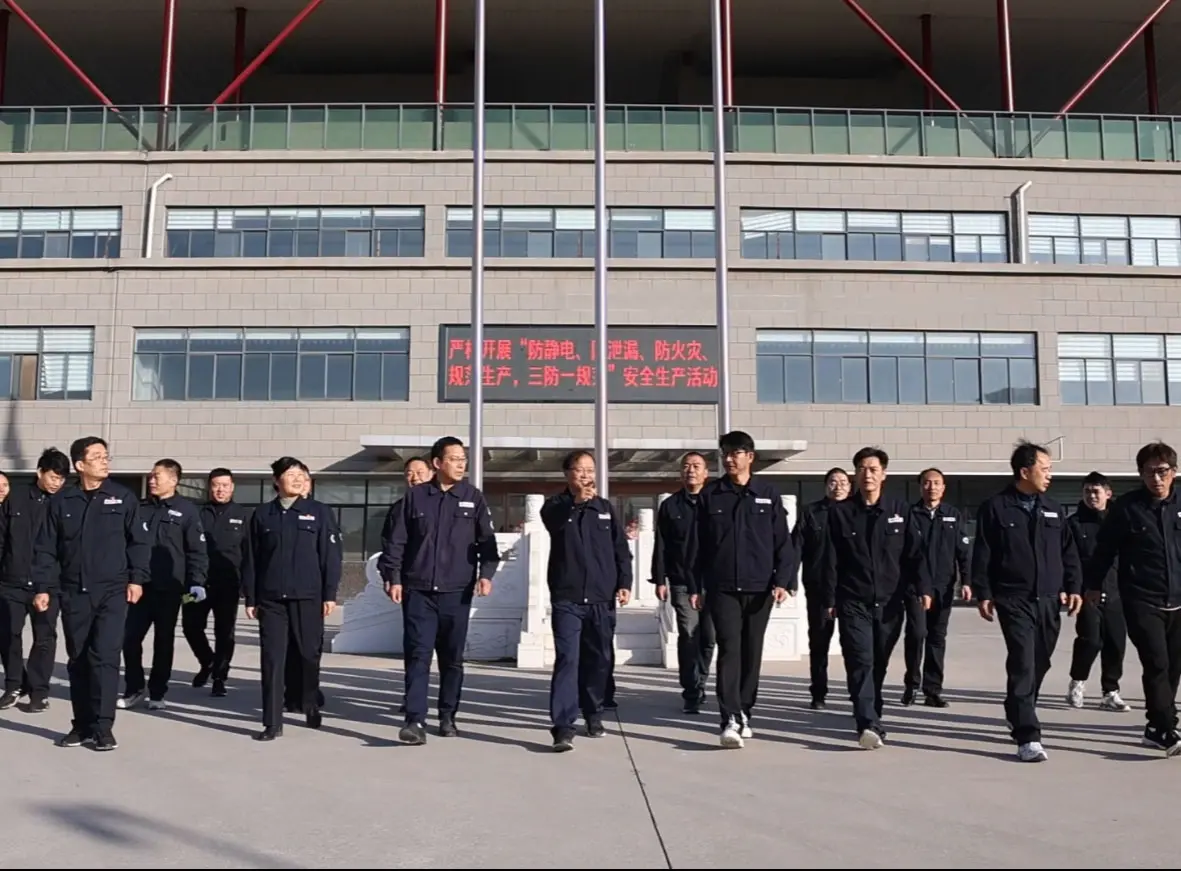
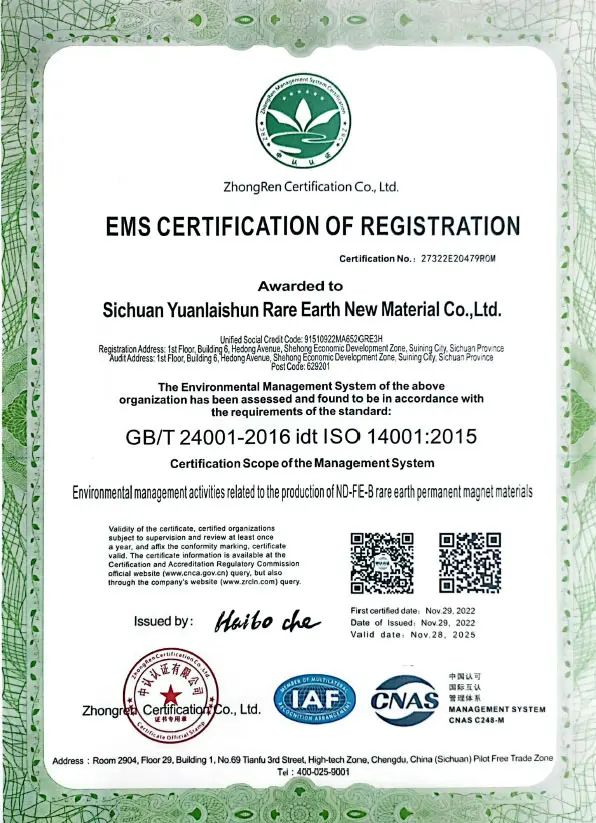
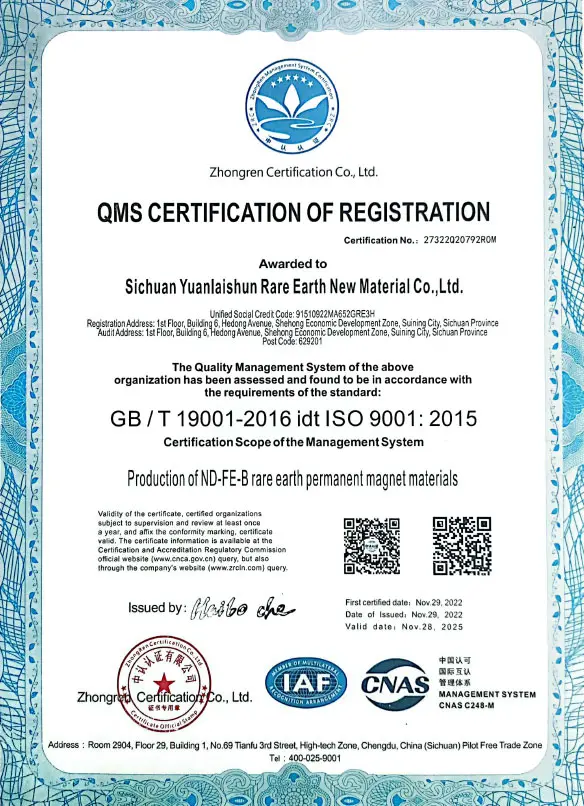
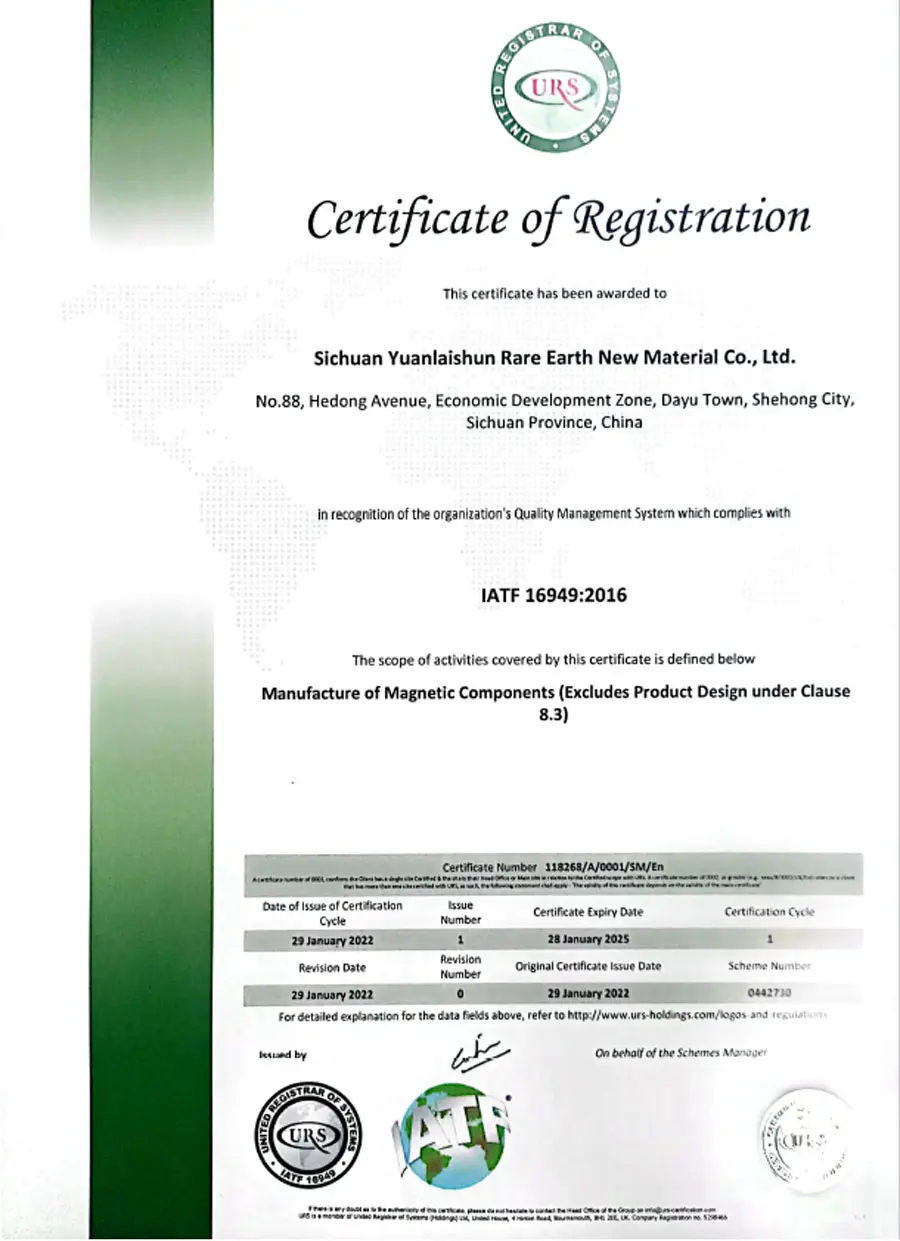
Zhejiang Laysun Magnetics is fully certified under IATF 16949, ISO 9001, ISO 14001, and ISO 45001. We maintain comprehensive trace records from raw oxides to final packaged components, ensuring compatibility with rigorous aerospace and automotive QA audits.
All finished magnetic assemblies are regularly screened to comply with the European Union's REACH regulation and RoHS directive. Heavy metals and hazardous chemical agents are excluded from our surface finish lines.
Our R&D roadmap focuses on maximizing $(BH)_{max}$ while reducing heavy rare earth content. Our active grain boundary diffusion (GBD) process delivers N54SH and N52UH grades, lowering dependencies on volatile Dysprosium reserves.
We work in collaboration with world-class testing institutes to maintain certifications including API 6D, API 607, CE, ISO9001, ISO14001, and TS specifications. Our quality lab is equipped with advanced hysteresigraphs, ICP-OES spectrometers, and environmental salt-spray chambers to simulate extreme operational environments.
Addressing technical queries regarding magnetite mineral characteristics, rare earth replacements, and mechanical engineering solutions.
Magnetite ($Fe_3O_4$) is a naturally occurring mineral displaying ferrimagnetic behavior with a saturation magnetization of ~90 emu/g and a relatively low energy product (< 1 MGOe). Neodymium (NdFeB) is an engineered sintered alloy showing ferromagnetic properties with a vastly higher energy product (~30 to 52 MGOe), making it the optimal choice for high-torque applications.
GBD selectively diffuses Dysprosium (Dy) or Terbium (Tb) through the grain boundaries of the sintered magnet rather than distributing it uniformly throughout the grains. This process boosts the coercive force ($H_{cj}$) and operating temperature of the magnet while using less heavy rare earth elements, optimizing the material cost.
To provide an accurate technical quote, we require: (1) Magnetic Grade (e.g., N35, N52, 42SH, 38EH); (2) Precise Dimensions and Tolerances; (3) Magnetization Direction (axial, radial, thickness); (4) Surface Coating type (NiCuNi, Zinc, Epoxy); and (5) Expected order quantity.
We implement multi-stage chemical cleaning followed by vacuum electroplating. Our standard Ni-Cu-Ni coating survives over 96 hours of salt spray testing (SST) without corrosion. For extreme environments, we offer specialized epoxy coatings and Autoclave testing (Highly Accelerated Stress Test - HAST) validation.
Yes. Many modern mineral separation plants use high-gradient magnetic separators (HGMS) equipped with NdFeB magnetic matrices instead of traditional iron-core electromagnetic grids, reducing energy consumption and increasing the recovery of fine magnetic ores.
Submit your custom specifications, material drawings, or magnetic property requirements. Our team of metallurgical engineers is ready to optimize your design and supply chain.
Contact Our Engineering TeamBrowse our supplementary engineering products for specialized industrial sectors.
 Laysun Magnetics