Explore our foundational range of customizable high-coercivity rare earth magnetic solutions engineered for high precision and stability.
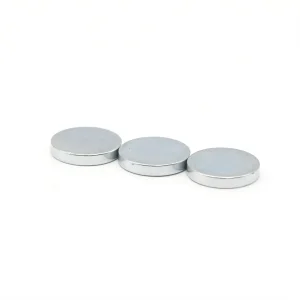
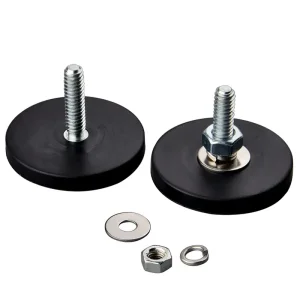
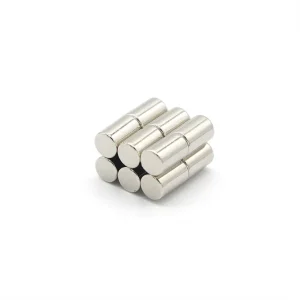
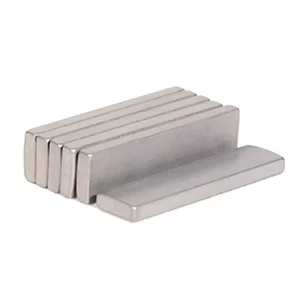
A Comprehensive Engineer's Guide to Neodymium (NdFeB) Magnetic Characteristics and Sourcing Performance Matrices.
When evaluating rare earth magnets, particularly sintered Neodymium Iron Boron (NdFeB) alloys, design engineers must scrutinize specific magnetic characteristics. These define how a material will perform under thermal, structural, and electromagnetic stresses. Key properties include:
NdFeB magnet grades are universally labeled with suffixes indicating their thermal stability limit. For instance, grades with suffix "N" function reliably up to 80°C. Suffixes "M", "H", "SH", "UH", "EH", and "AH" denote maximum operational thresholds scaling upwards from 100°C to 230°C. This scaling correlates directly with the concentration of heavy rare earth elements (HREEs) like Dysprosium (Dy) or Terbium (Tb).
The application of rare earth magnetic materials has shifted from simple mechanical hold-down applications to high-frequency dynamics in tech industries. The following table showcases standard materials matched with typical real-world operational profiles.
| Grade Group | Typical (BH)max | Operating Temp (Max) | Prime Application Scenarios |
|---|---|---|---|
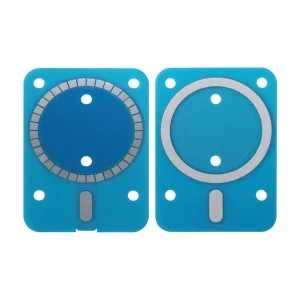
| N35 - N52 | 33 - 50 MGOe | 80°C | Consumer Electronics, MagSafe Phone Rings, Magnetic Badges |
| 38M - 48M | 36 - 46 MGOe | 100°C | Loudspeakers, Small Brushless DC Motors, Magnetic Couplings |
| 35H - 45H | 33 - 43 MGOe | 120°C | Voice Coil Motors (VCM), Clean-Room Automation, Sensors |
| 33SH - 42SH | 31 - 40 MGOe | 150°C | Electric Power Steering (EPS), Wind Turbines, Industrial Motors |
| 30UH - 38UH | 28 - 36 MGOe | 180°C | Electric Vehicle (EV) Traction Motors, Aerospace Actuators |
| 28EH - 35EH | 26 - 33 MGOe | 200°C | Downhole Drilling Sensors, High-Speed Railway Alternators |
Inside Zhejiang Laysun Magnetics Ltd.: Fully integrated manufacturing lines, strict quality control procedures, and ISO certification.
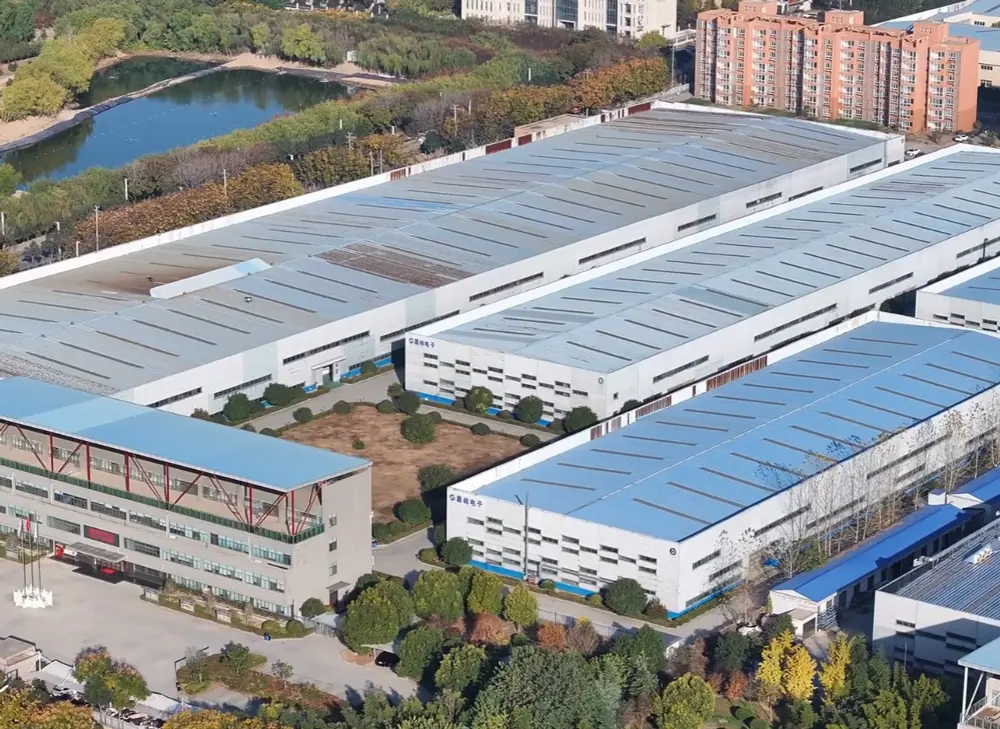
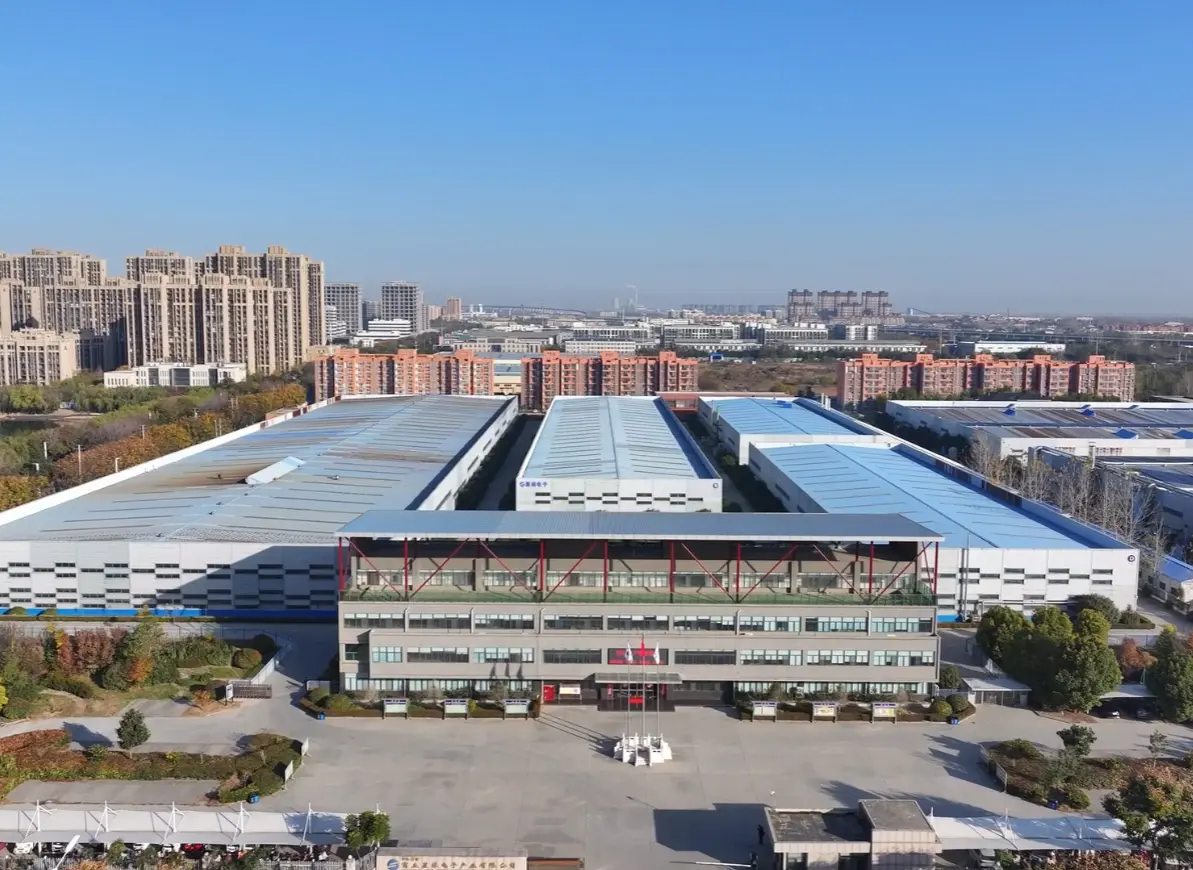
Harnessing smart manufacturing and vertically integrated supply chains to offer competitive pricing, high consistency, and rapid production cycles.
By sourcing rare earth oxides directly from major domestic smelting hubs, Zhejiang Laysun Magnetics maintains consistent access to Dysprosium, Terbium, and Neodymium. This integration minimizes commodity price volatility, ensuring reliable project quotes for overseas OEMs.
Our facility features automated oxygen-free sintering furnaces, multi-wire slicing machines, and robotic pick-and-place lines. Slicing precision is held within ±0.03mm, minimizing mechanical stress and ensuring high dimensional accuracy across large batches.
Equipped with demagnetization curve testing systems, high-definition mapping fluxmeters, and salt spray testing equipment, we verify both magnetic and chemical durability. We ensure that our materials survive harsh conditions without performance loss.
Your trusted partner in high-performance permanent magnetic components since 1999.
Zhejiang Laysun Magnetics Ltd. is a national high-tech leader in manufacturing rare earth magnets. Our manufacturing facility spans over 100,000 square meters, producing up to 5,000 tons of rare earth magnets annually. With a team of 300 skilled employees, we research, develop, produce, and sell high-performance NdFeB materials. Our products support electric vehicles, industrial motors, computing systems, and consumer electronics, helping drive technological innovation.
Our operations focus on four core values: Quality, Credibility, Technology, and Innovation. By controlling manufacturing processes from alloy preparation to slicing and coating, we maintain consistent product quality and reliability.
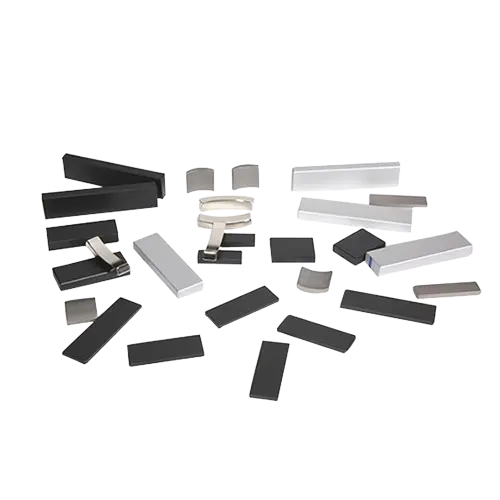
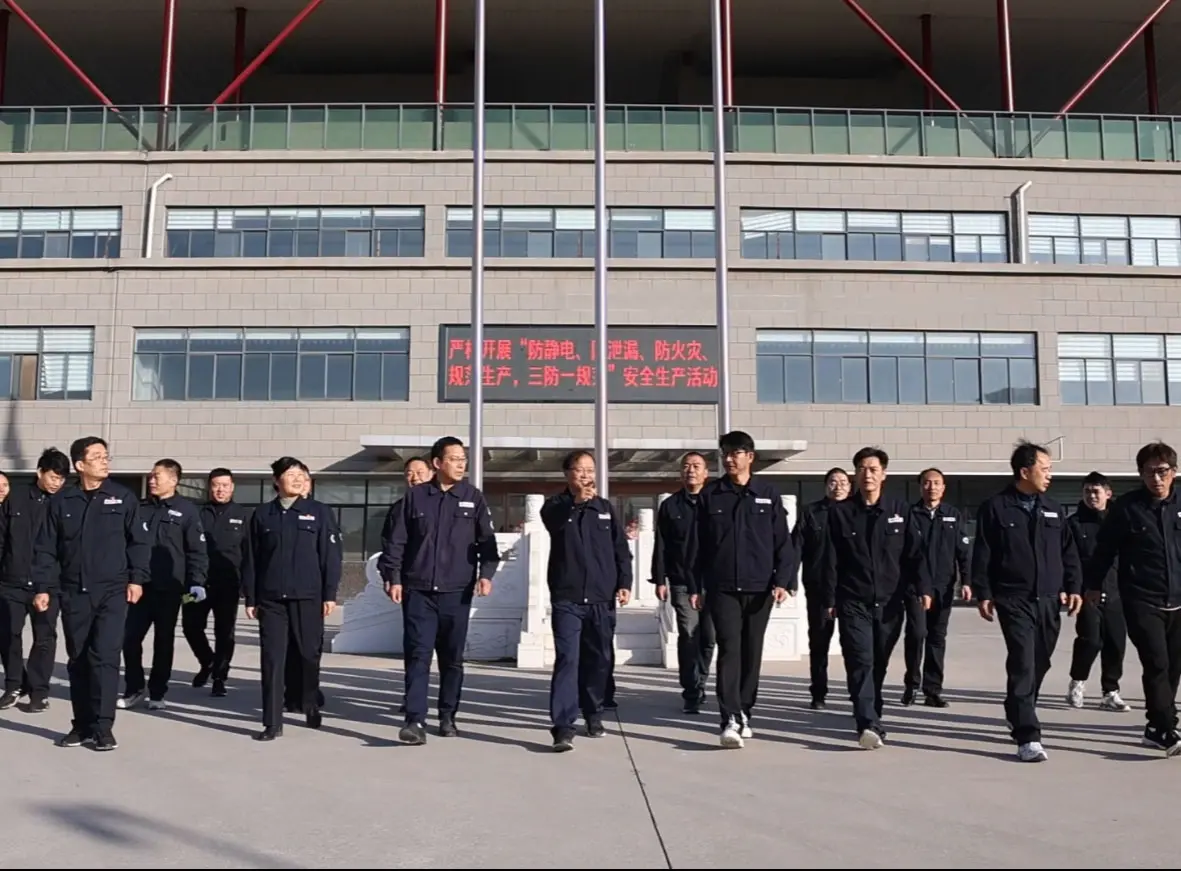
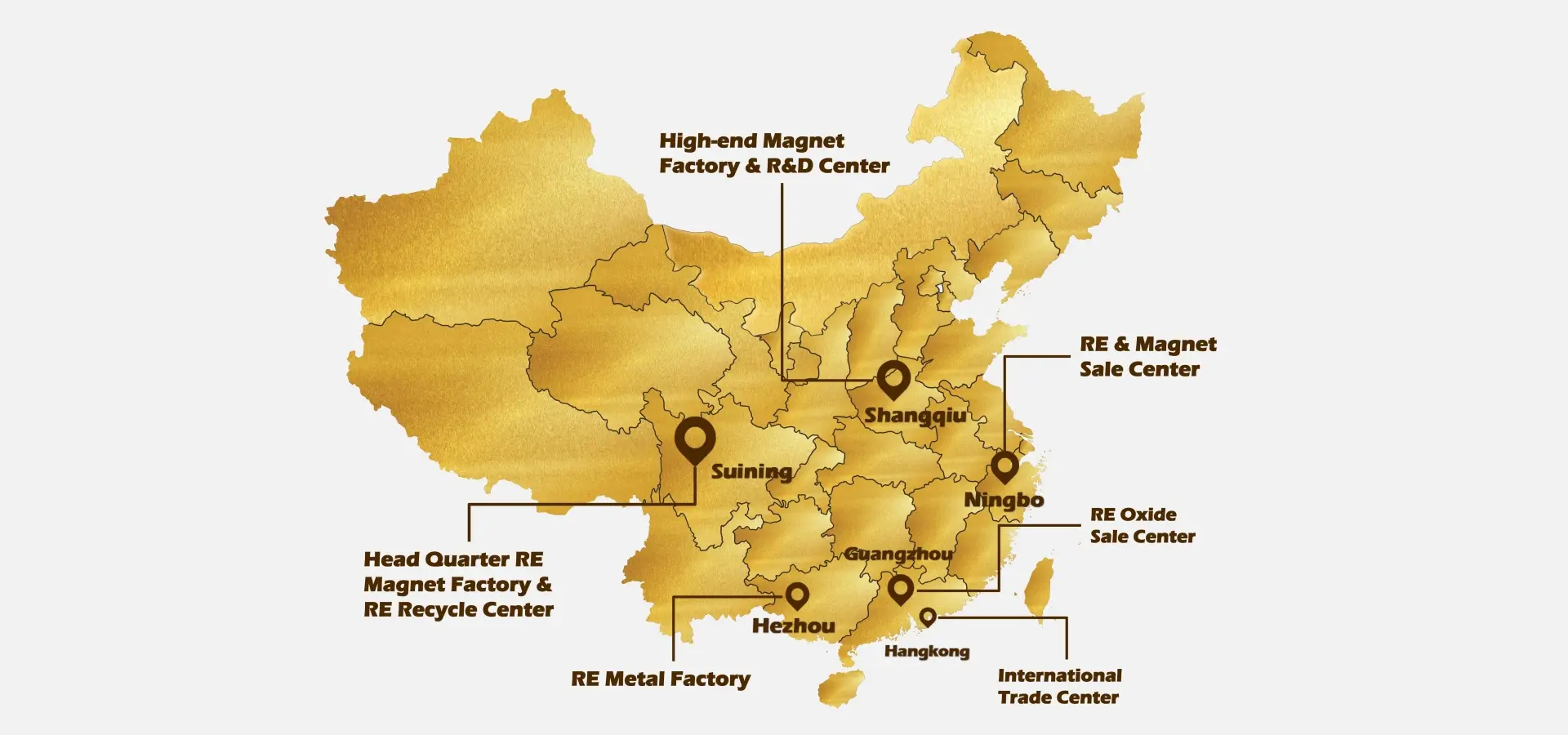
Founded at the turn of the millennium, Zhejiang Laysun Magnetics Ltd. has evolved from a regional manufacturer into a global supplier. Our facility in Sichuan handles alloy melting and sintering, while our Hangzhou headquarters manages sales and custom engineering.
We follow strict quality systems, carrying ISO9001, ISO14001, OHSAS18001, and CE certifications. Our products comply with industrial standards to meet international quality requirements.
We maintain robust rare earth sourcing networks, protecting our production against market supply fluctuations and ensuring long-term price stability for our clients.
Our quality management systems meet strict international requirements, including ISO9001, CE, and API specifications.
We manage our global supply chains through subsidiaries and offices located near major industrial hubs. This allows us to offer timely support, short lead times, and seamless customs clearance for custom components.
Certified performance: API 6D, API 607, CE, ISO9001, ISO14001, ISO18001, TS. We supply documentation for material traceability and manufacturing transparency.
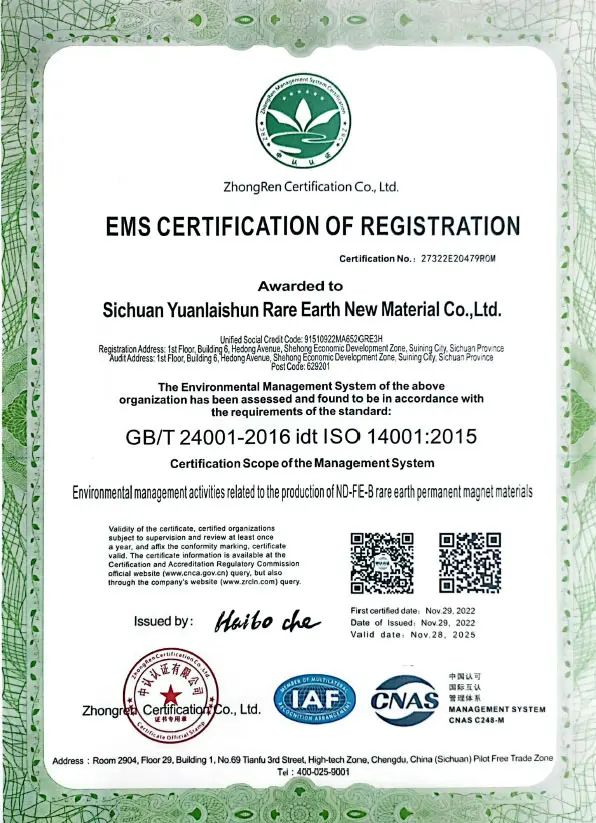
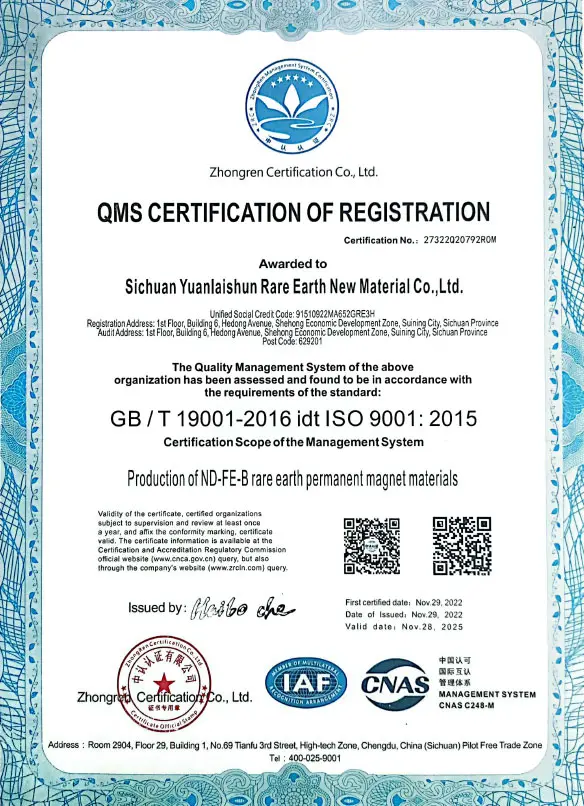
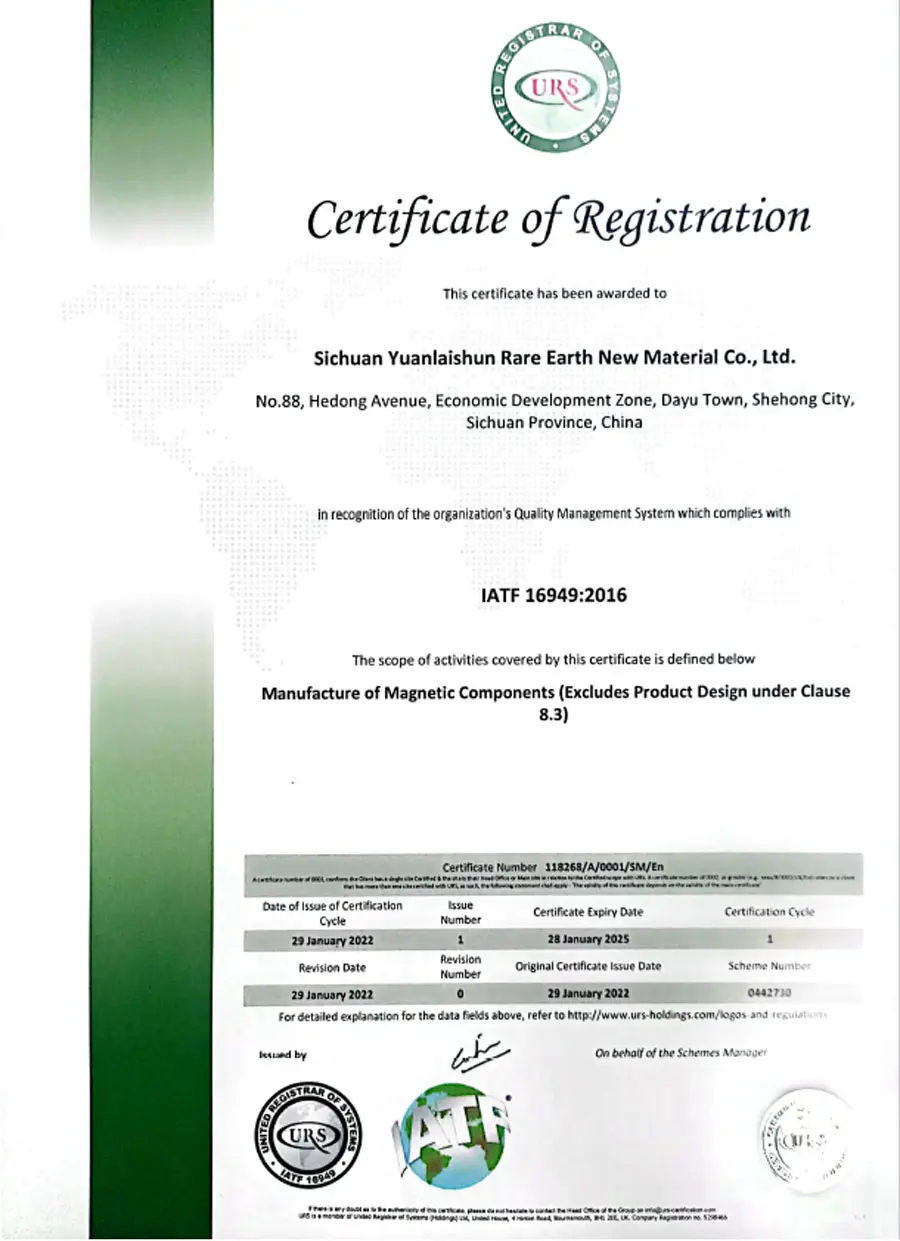
Detailed explanations regarding engineering, tolerances, surface treatments, and global supply logistics.
NdFeB magnets can demagnetize due to thermal exposure, reverse magnetic fields, physical impact, and structural corrosion. Sintered NdFeB has a high coercivity, making it resistant to demagnetization when operated below its rated temperature. For applications involving reverse fields, we recommend using high Hcj grades (such as SH, UH, or EH series).
Traditional manufacturing processes mix Dysprosium (Dy) or Terbium (Tb) into the raw alloy, which reduces remanence (Br). Grain Boundary Diffusion applies these heavy rare earth elements only to the boundaries of the magnet grains. This technique maintains high magnetic output while using less raw materials, providing cost-effective solutions for high-temperature motor applications.
Standard Ni-Cu-Ni plating works well for clean, dry environments. For humid or corrosive applications, we recommend black or grey epoxy coating, which provides up to 72 hours of salt spray resistance. For marine or chemical processing environments, we offer stainless steel encapsulation or specialized rubber-molded outer shells.
Using wire-cutting and grinding machines, we hold physical dimensional tolerances to within ±0.05mm, with custom requirements down to ±0.02mm. We measure flux density consistency using automated coils and helmholtz sensors to ensure magnetic performance remains within ±2% across production batches.
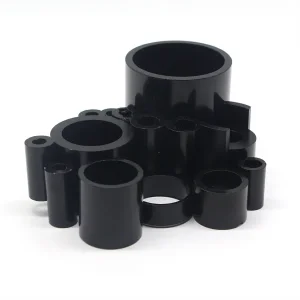
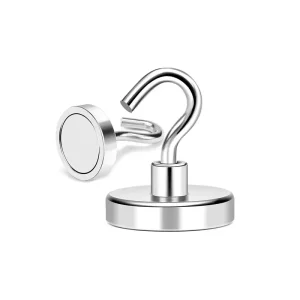
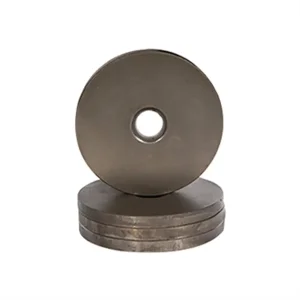
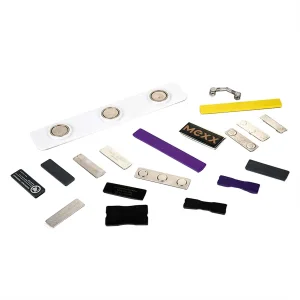
Explore our complex assemblies, multi-pole magnetic rings, and high-holding force fixtures designed for industrial applications.
Whether you need a custom shape design, specific thermal operating parameters, or automated assembly integration, our team can deliver within 24 hours. Contact our team today for a technical review and price quotation.
 Laysun Magnetics