Explore our high-precision custom-sintered Neodymium and Rare Earth permanent magnetic assemblies engineered for maximum energy product rating and long-term coercivity.
A National High-Tech Pioneer in Advanced Sintered Rare Earth Magnets Manufacturing since 1999.
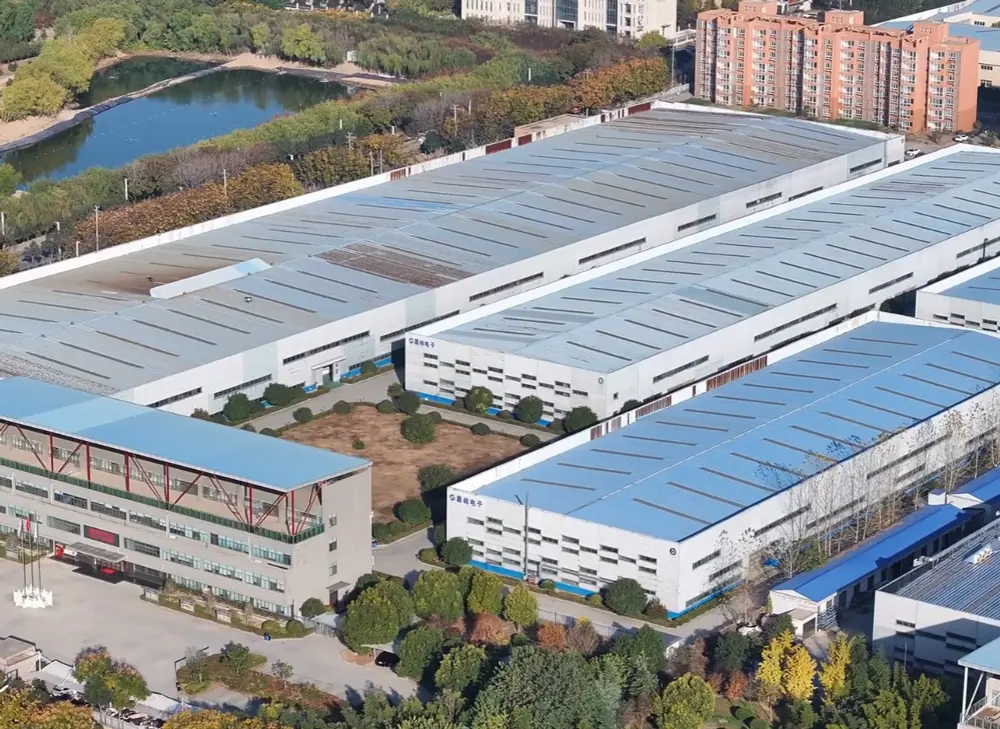
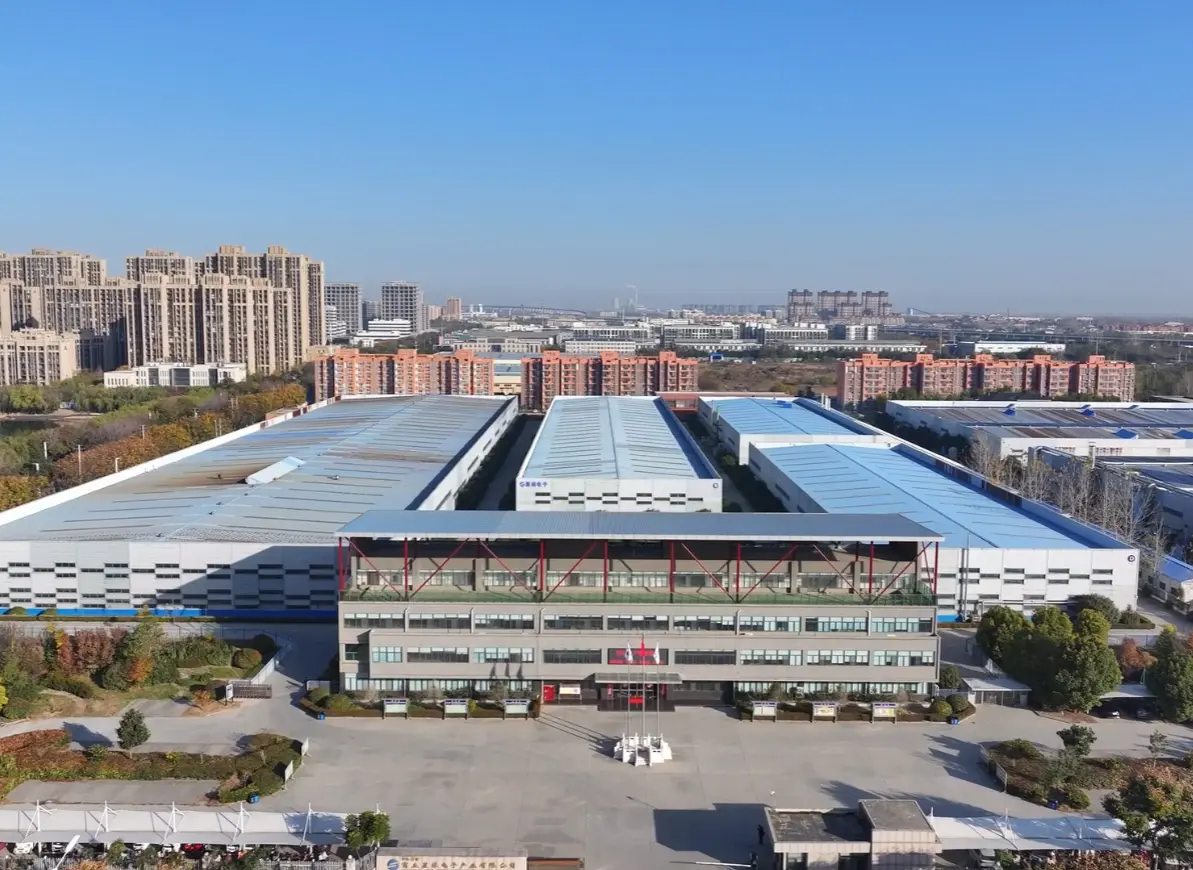
Since our inception in 1999, Zhejiang Laysun Magnetics Ltd. has built an authoritative reputation in the global magnetics space. Headquartered in Hangzhou, with a manufacturing powerbase operating across a massive facility in Suining, Sichuan, we focus on the research, development, metallurgical formulation, and precision engineering of sintered NdFeB magnets. We satisfy advanced global specifications while maintaining optimized manufacturing structures, ensuring highly competitive cost levels for enterprise buyers.
Our operational framework relies on strict adherence to international standards. We utilize rigorous testing equipment, including Hysteresisgraphs, ICP-OES analytical systems, and Salt Spray test chambers to verify structural integrity and magnetic stability.
Understanding Sintered NdFeB Production Dynamics, Alloy Formulation, and Raw Material Management
In high-tech industrial manufacturing, procurement officers searching for "cheap permanent magnets" are not looking for compromised quality. Instead, they seek optimized, high-yield manufacturing methodologies that translate to lower unit costs. Sintered Neodymium-Iron-Boron (NdFeB) represents the pinnacle of modern magnetics, providing the highest maximum energy product (BHmax) per unit volume. Achieving cost efficiency at scale requires deep chemical formulation knowledge and complex physical steps.
Sintered NdFeB magnets are manufactured using powder metallurgy techniques. This multi-phase thermodynamic process involves the following key stages:
Raw NdFeB is highly susceptible to atmospheric oxidation due to its high neodymium content. To maintain long-term reliability in harsh environments, advanced plating and coating procedures are mandatory:
Our standard anti-corrosion system consists of a multi-layer nickel-copper-nickel (Ni-Cu-Ni) electroplating scheme, offering up to 240 hours of salt spray resistance. For highly humid or acidic environments, we apply advanced epoxy resins, passivated zinc coatings, or aluminum spray deposition. These protective layers prevent oxidation and chemical degradation, avoiding premature failure of the magnetic circuit.
How Regional Production Clusters and Raw Material Access Influence Commercial Purchasing Strategies
The global permanent magnet market is deeply influenced by the geography of rare earth processing. Over 85% of the world's sintered NdFeB is manufactured within China, driven by consolidated access to regional mineral deposits and integrated supply chains. Zhejiang Laysun Magnetics Ltd. leverages these supply chain advantages by maintaining close relations with domestic mining hubs, ensuring stable access to critical heavy rare earth metals (like Dysprosium and Terbium) which are essential for high-temperature coercivity grades.
For industrial buyers in Europe, North America, and Southeast Asia, procurement optimization involves managing the balance between transport logistics and base manufacturing costs. By coordinating shipping routes through our Hangzhou headquarters and utilizing efficient rail/ocean connections, we minimize handling overheads, offering domestic prices on a global scale.
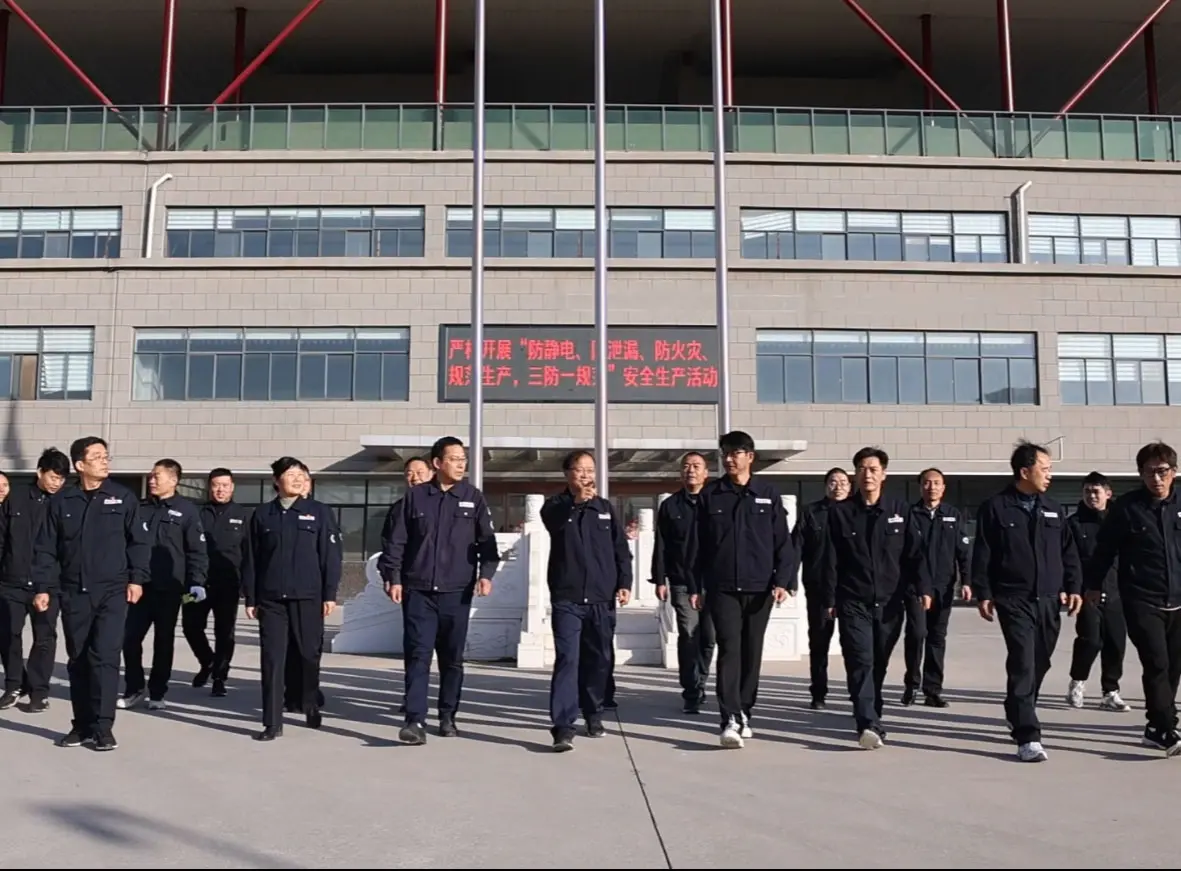
Understanding the standard magnetic classifications is vital when designing electrical machines or buying magnet arrays. The table below highlights the standard physical properties of various NdFeB grades, demonstrating how composition affects magnetic performance:
| NdFeB Grade Group | Remanence (Br) [Tesla] | Coercivity (Hcb) [kA/m] | Intrinsic Coercivity (Hcj) [kA/m] | Max Energy Product (BH)max [kJ/m³] | Max Operating Temp [°C] |
|---|---|---|---|---|---|
| N Series (e.g., N52) | 1.43 - 1.48 | ≥ 836 | ≥ 875 | 398 - 422 | 80 |
| M Series (e.g., 50M) | 1.40 - 1.45 | ≥ 851 | ≥ 1114 | 382 - 406 | 100 |
| H Series (e.g., 48H) | 1.36 - 1.43 | ≥ 875 | ≥ 1353 | 366 - 390 | 120 |
| SH Series (e.g., 45SH) | 1.32 - 1.38 | ≥ 899 | ≥ 1592 | 342 - 366 | 150 |
| UH Series (e.g., 40UH) | 1.24 - 1.30 | ≥ 923 | ≥ 1990 | 302 - 326 | 180 |
| EH Series (e.g., 38EH) | 1.20 - 1.26 | ≥ 939 | ≥ 2388 | 287 - 310 | 200 |
Targeted Engineering Solutions for High-Precision Electromechanical Systems

High-torque servo motors require NdFeB magnets with high intrinsic coercivity to maintain position feedback accuracy under intense, continuous duty cycles.

Unmanned vehicles require lightweight, high energy-density magnets to maximize thrust-to-weight ratios in high-efficiency brushless outrunner motors.

EV traction motors use Sintered NdFeB magnets designed for high thermal thresholds (up to 200°C), helping to prevent demagnetization at high speeds.
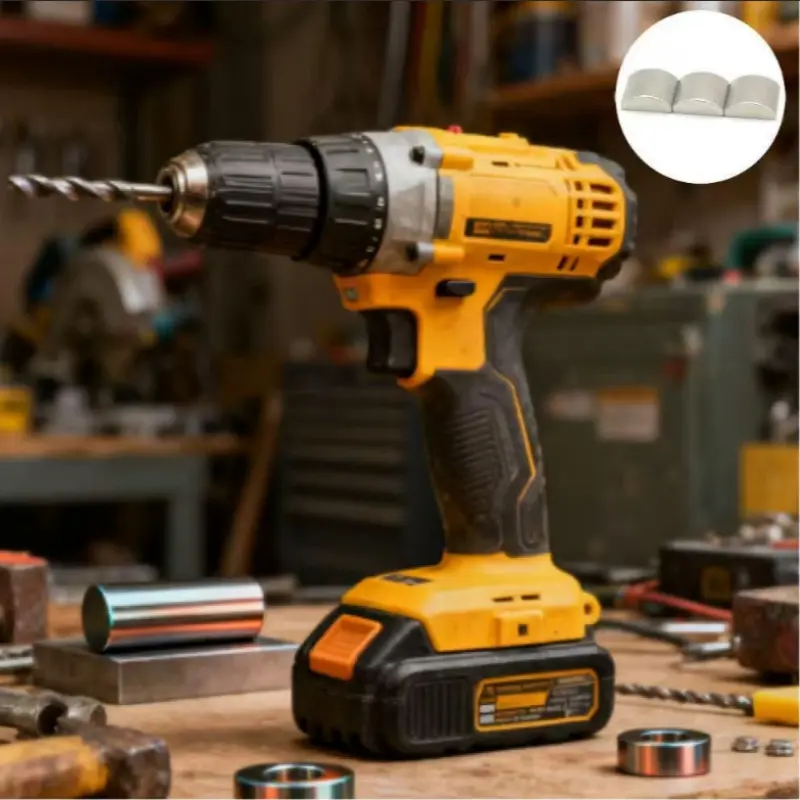
Handheld brushless tools utilize impact-resistant magnetic rotors that can withstand high vibrations and intense thermal spikes.

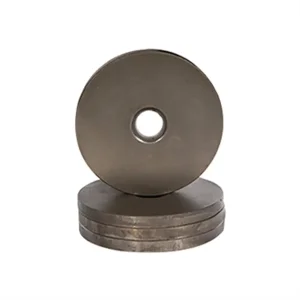
Miniature neodymium rings are engineered for thin profiles and used in smart speakers, cell phone vibration units, and magnetic chargers.
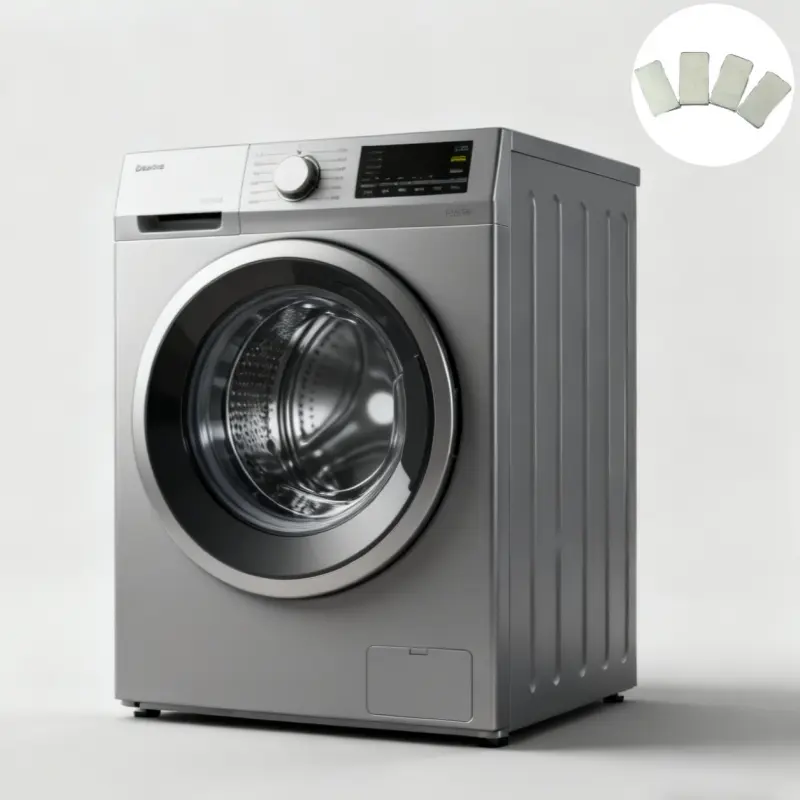
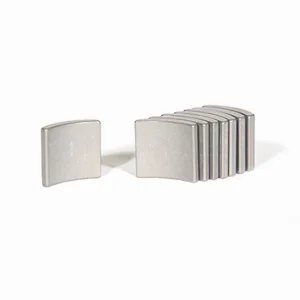
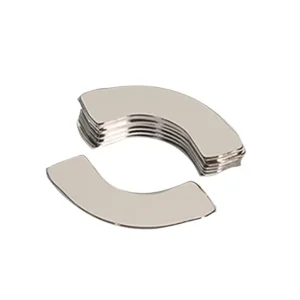
Variable-frequency compressor motors in modern refrigerators and air conditioners use shaped NdFeB arc segments to reduce energy loss.
Securing Your Supply Chain Against Geopolitical Risks and Material Auditing Standards
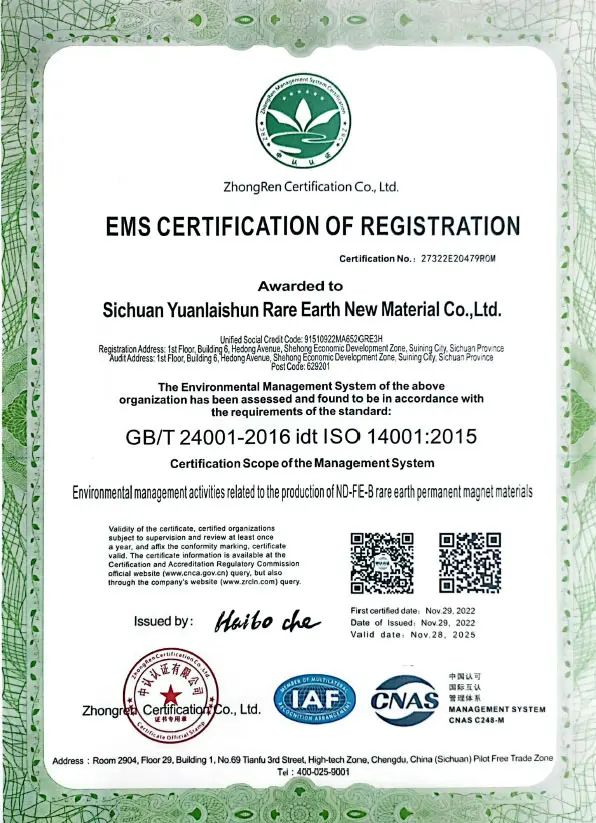
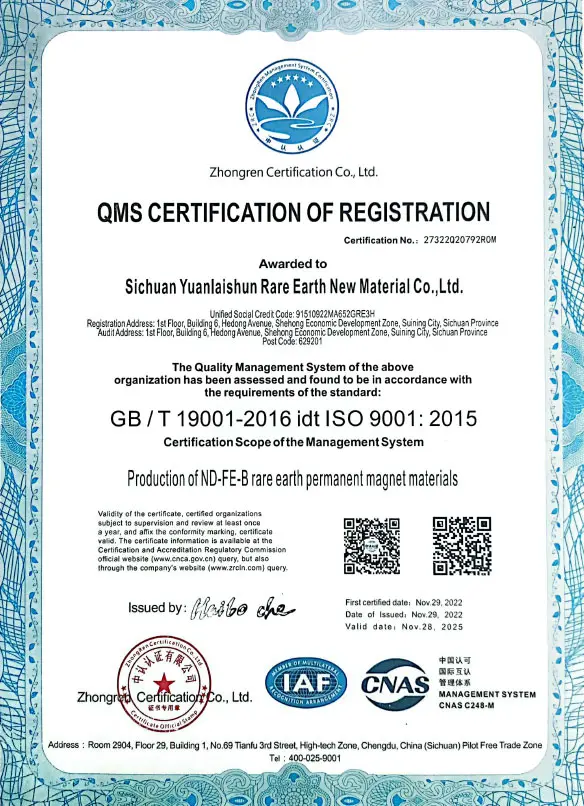
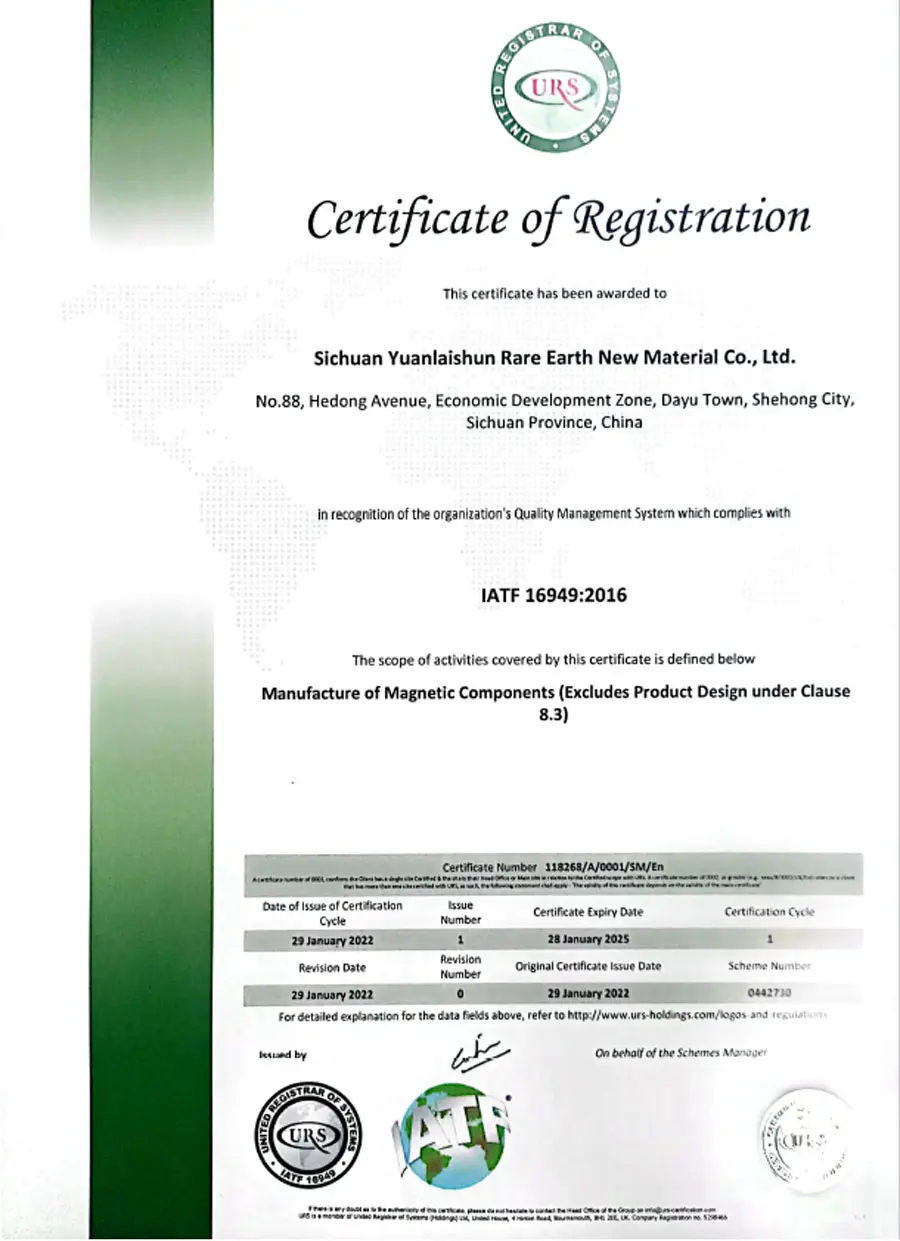
For modern OEMs, purchasing permanent magnets requires compliance with regional environmental directives. Zhejiang Laysun Magnetics Ltd. provides certified conformity with several international standard groups:
Next-Generation Magnetic Engineering and Rare Earth Cost Reductions
Applying Terbium (Tb) or Dysprosium (Dy) exclusively along the grain boundary interfaces. This approach boosts thermal stability while reducing the volume of costly heavy rare earths needed, helping to keep costs competitive.
Developing high-remanence N-series grades that operate without Heavy Rare Earths (HRE-free) up to 100°C. This formulation reduces vulnerability to price spikes in dysprosium supply chains.
Implementing closed-loop recycling systems to extract and re-sinter NdFeB material from decommissioned wind turbines, electric vehicles, and computer drives, supporting lower carbon footprints.
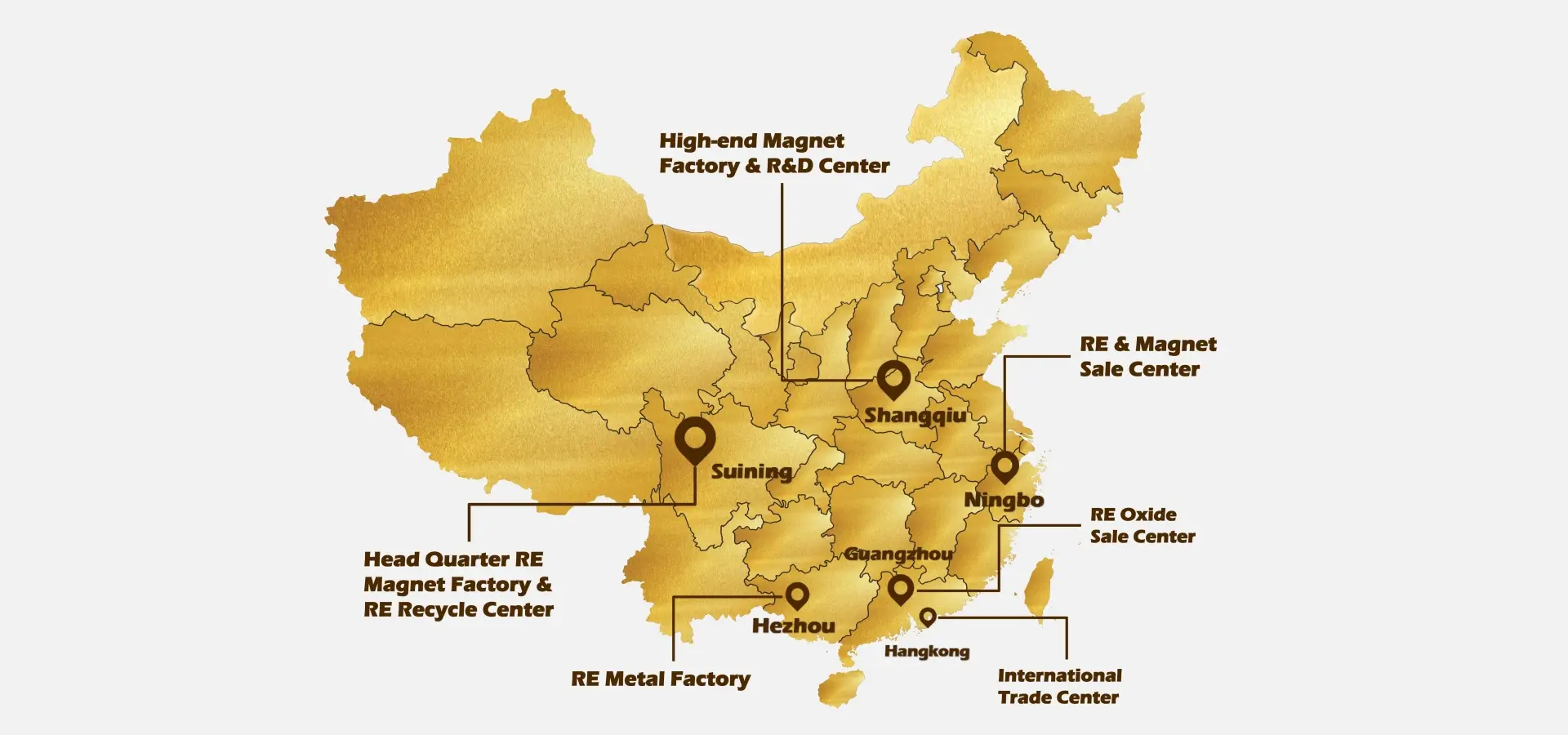
Headquartered in Hangzhou, China, with production bases configured to serve domestic and international markets.
Our quality systems are audited and certified according to modern industrial requirements: API 6D, API 607, CE, ISO9001, ISO14001, ISO18001, and IATF 16949 / TS certifications.
Technical Answers Regarding Quality Standards, Magnetic Degradation, and Custom Processing
We achieve cost efficiencies through economies of scale and vertical integration. Our 100,000-square-meter facility has an annual production capacity of 5,000 tons of rare earth magnets. This large volume enables us to negotiate raw material prices directly with mining hubs. Additionally, our automated pressing lines, hydrogen decrepitation reactors, and optimized vacuum sintering furnaces minimize material waste and labor costs.
Sintered NdFeB magnets experience reversible and irreversible demagnetization. If the operating temperature exceeds the magnet's rated thermal limit (ranging from 80°C for N-grades to 200°C for EH-grades), the magnetic domains lose their alignment permanently. We assist customers in selecting the appropriate coercivity level (H, SH, UH, EH, or AH series) based on their application's thermal profile, and we utilize Grain Boundary Diffusion (GBD) to increase temperature stability while managing material costs.
Because NdFeB is rich in highly reactive iron and neodymium, it requires surface protection in humid or aggressive environments. We offer standard electroplated Ni-Cu-Ni (Nickel-Copper-Nickel) coatings, passivated Zinc (Zn), chemical-resistant Epoxy resins, and high-durability Parylene coatings. Every batch undergoes salt spray, pressure cooker (HAST), and thickness verification testing to ensure the protective barrier is robust.
Sintered NdFeB is brittle and is typically sliced, ground, or wire-cut using diamond-abrasive tools after the sintering process. Our standard manufacturing tolerance is ±0.05 mm for general dimensions, but we can achieve precision tolerances down to ±0.02 mm for critical applications like Voice Coil Motors (VCM) or high-speed electric motor assemblies.
Yes. Zhejiang Laysun Magnetics maintains full traceability for raw materials, ensuring that neodymium, dysprosium, iron, and boron are sourced responsibly. Our manufacturing processes and surface coatings comply with RoHS and REACH regulations, preventing the introduction of restricted substances into customer assembly lines.
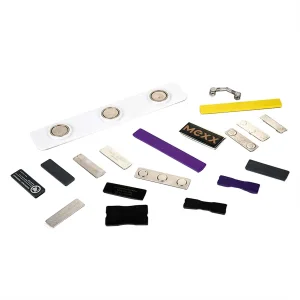
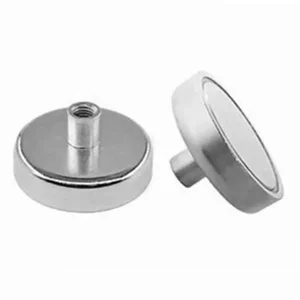
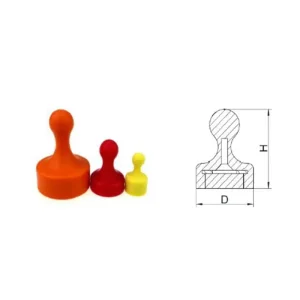
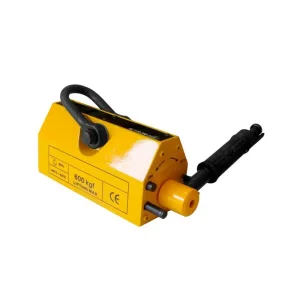
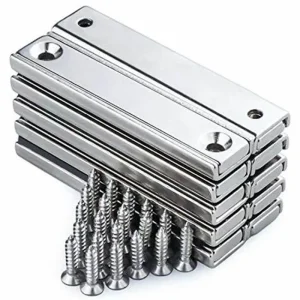
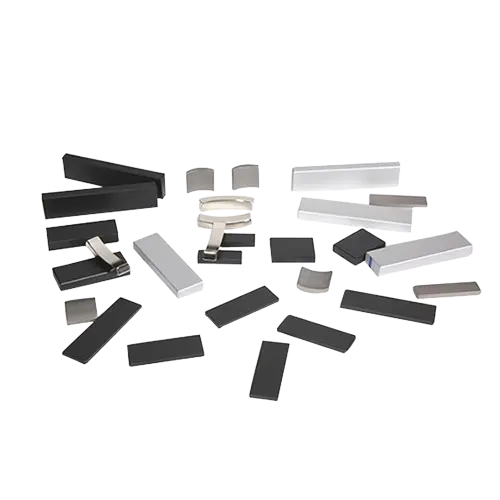
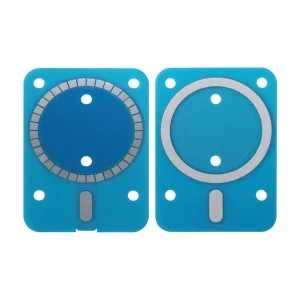
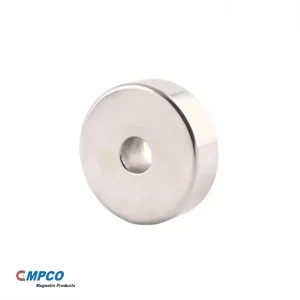
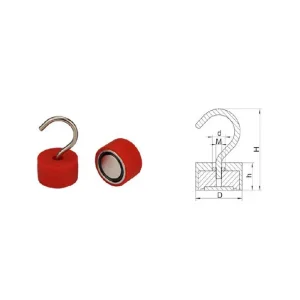
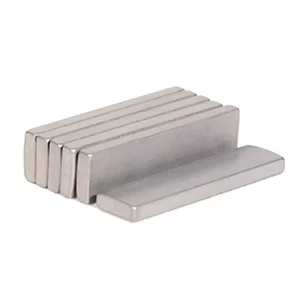
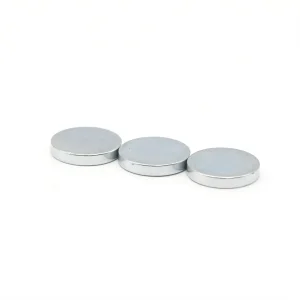
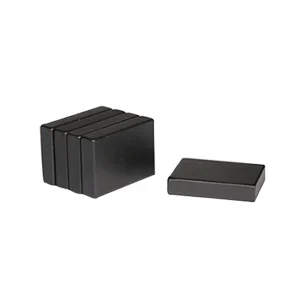
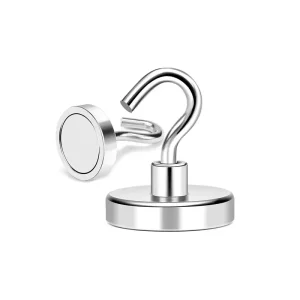
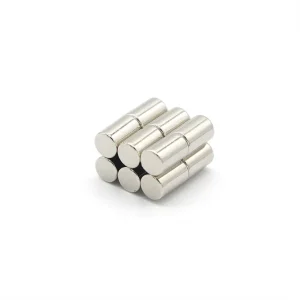
A complete portfolio of magnetic assemblies, cup magnets, hanging hooks, and raw permanent blocks.
 Laysun Magnetics