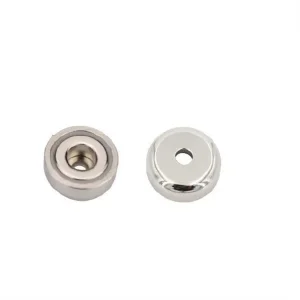
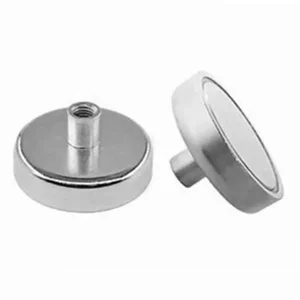
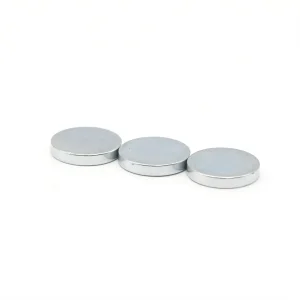
Explore our premium grade rare earth permanent magnet systems engineered for harsh operating environments, high thermal resistance, and maximum magnetic energy output.
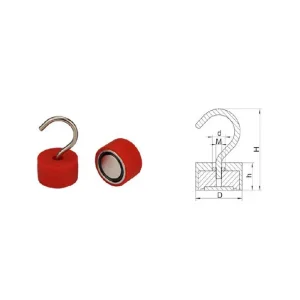
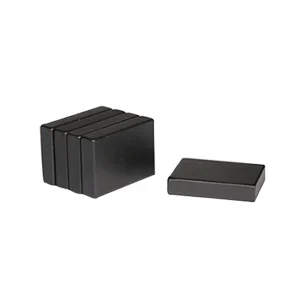
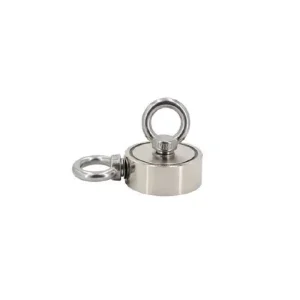
Zhejiang Laysun Magnetics Ltd. represents the cutting edge of industrial permanent magnet manufacturing. Strategically located with deep integration into rare-earth processing ecosystems, we utilize state-of-the-art multi-stage vacuum sintering furnace networks and autonomous crystal-alignment technology. Our engineering workflow guarantees absolute consistency in solid-state magnetic properties across large production runs, serving critical high-precision applications globally.
"Manipulating solid-state lattice orientation is not just physics—it is the foundation of modern electrification and efficient power transmission."
An Engineering Deep-Dive into Domain Kinetics, Hysteresis Behavior, and Optimization Strategies.
The magnetic behavior of a solid material is governed by its atomic structures and the behavior of electron spins within the crystal lattice. In ferromagnetic solids, such as NdFeB (Neodymium-Iron-Boron), the fundamental mechanism relies on the alignment of electron spin magnetic moments. The crystal structure of sintered NdFeB is tetragonal ($Nd_2Fe_{14}B$), which exhibits exceptionally high uniaxial magnetocrystalline anisotropy. This anisotropy means that the crystal lattice has a preferred magnetization axis (the c-axis), making it highly resistant to demagnetization when aligned properly during pressing.
During our manufacturing process, we manipulate these solid properties by executing a precise crystal-alignment phase under intense magnetic fields. This ensures that the easy-magnetization axes of individual crystalline grains are aligned in the same direction, maximizing the remanent magnetization ($B_r$) and the maximum energy product ($(BH)_{max}$) of the completed alloy.
To select the correct material grade from our pricelist, engineers must analyze the second quadrant of the hysteresis loop, also known as the demagnetization curve. Three critical metrics dictate the efficiency of permanent magnetic solids in dynamic machines:
Through our advanced grain boundary diffusion (GBD) processes, Zhejiang Laysun Magnetics Ltd. can strategically inject Dysprosium (Dy) or Terbium (Tb) along the grain boundaries of sintered magnets. This technique significantly elevates the intrinsic coercivity without degrading the core remanence, leading to highly cost-optimized, heat-resistant magnets suited for automotive EPS and electric vehicle motors.
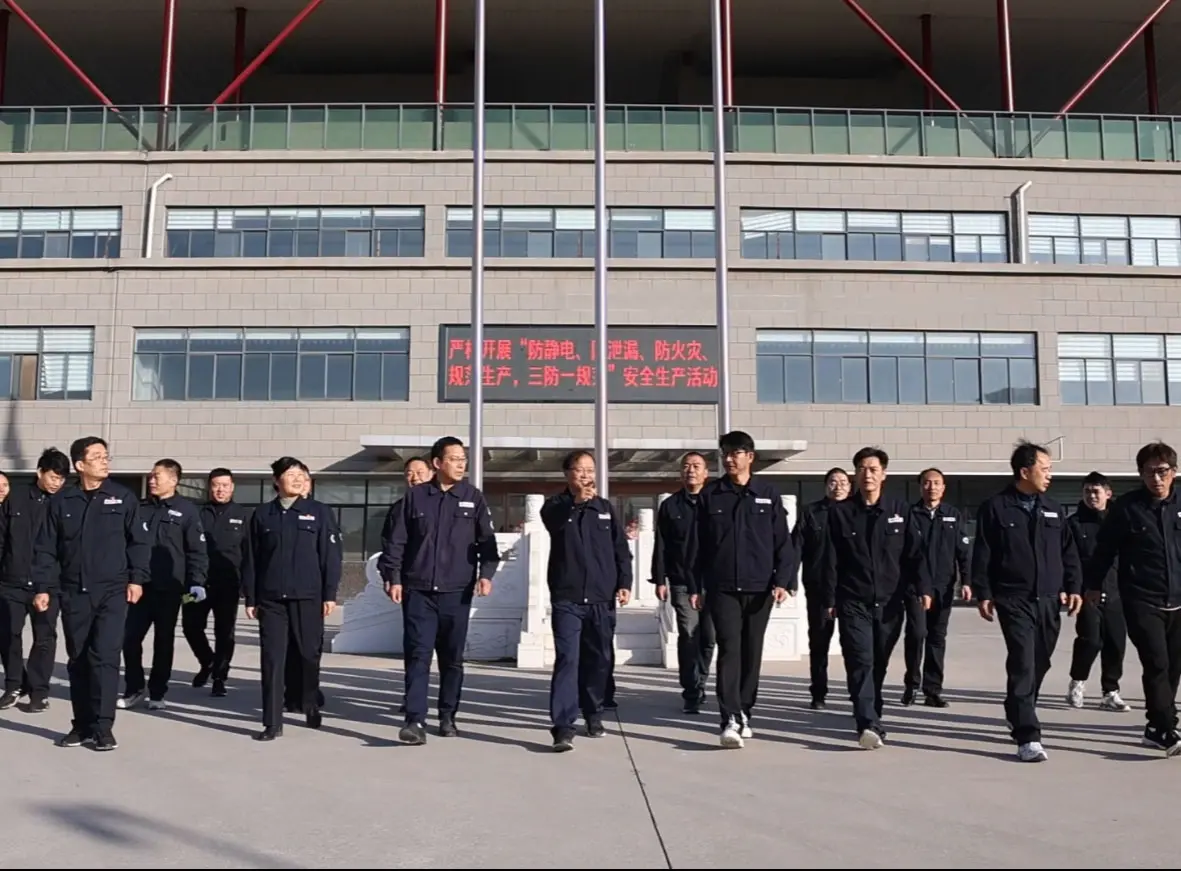
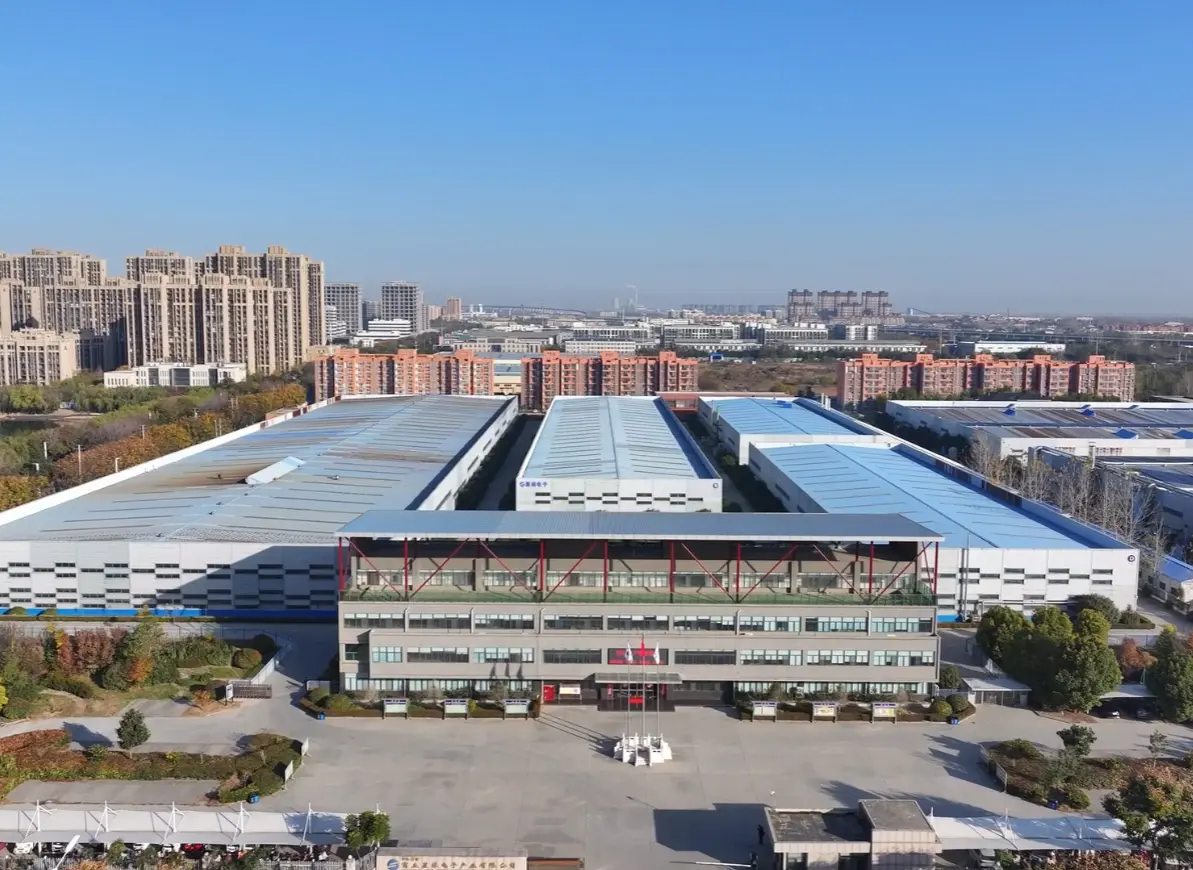
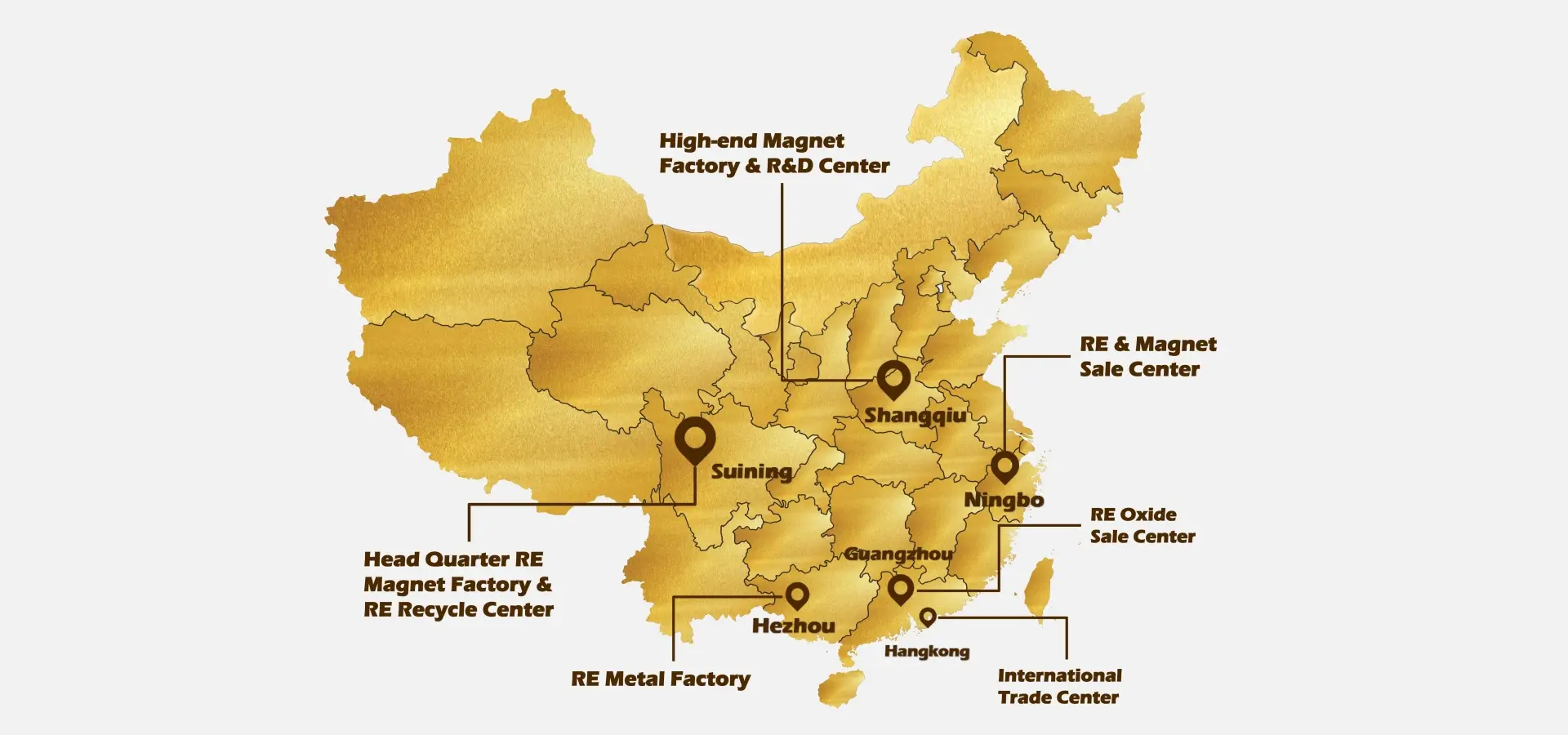
China remains the global epicenter of rare earth permanent magnet production due to complete, localized supply chain ecosystems. At Zhejiang Laysun Magnetics, we combine raw material proximity with automated production processes. Our 100,000 m² factory integrates the entire production cycle: strip casting, hydrogen decrepitation, jet milling, magnetic field alignment pressing, sintering, wire EDM machining, and automated plating.
By localizing all processing steps, we minimize transportation delays and raw material oxidization, while maximizing yield rates. This translates directly into highly competitive ("cheap") pricing schedules for our international clients, enabling them to secure high-performance NdFeB solids with consistent quality control metrics.
Direct sourcing agreements with premier mining groups guarantee continuous access to light and heavy rare earth minerals (Nd, Pr, Dy, Tb) regardless of market volatility.
State-of-the-art GBD technology reduces heavy rare earth content in high-temperature grades (SH, UH, EH, AH), driving down manufacturing costs while keeping thermal stability high.
Inline optical sortation and flux measuring stations inspect 100% of finished parts to ensure absolute dimensional accuracy and magnetizing consistency.
How modern industries utilize our magnetic solids to optimize mechanical efficiency and reliability.






High-performance rare-earth magnetic solids are critical to modern industrial applications:
Key cost factors to consider when designing and ordering rare earth solid magnets.
Establishing a cost-effective procurement program for permanent magnets requires understanding the factors that influence manufacturing pricing:
At Zhejiang Laysun Magnetics Ltd., we provide customizable pricing options for long-term supply contracts. Our direct supply chain relationships and automated lines allow us to maintain stable pricing structures even during rare earth raw material fluctuations.
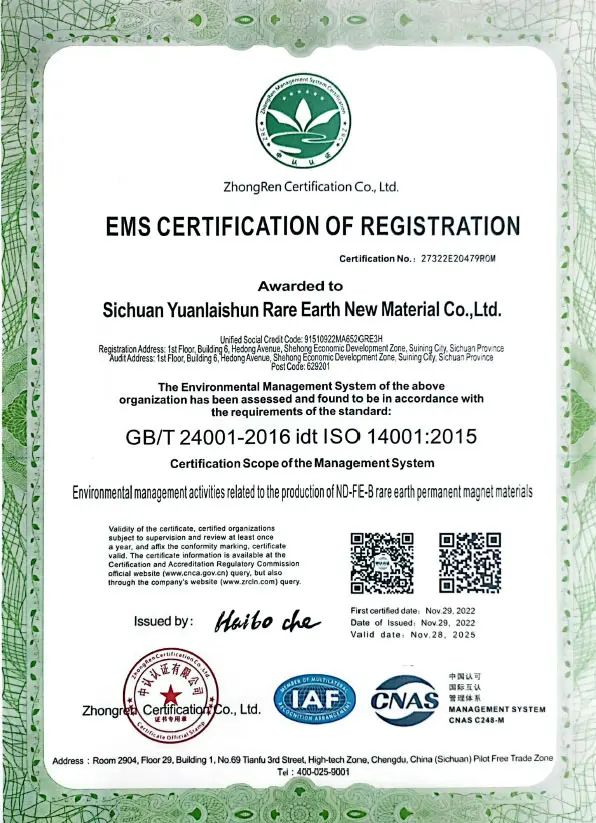
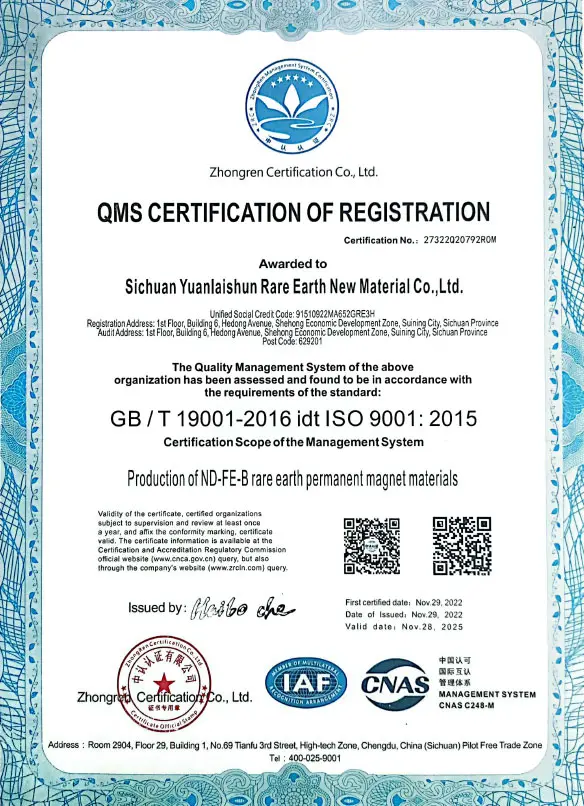
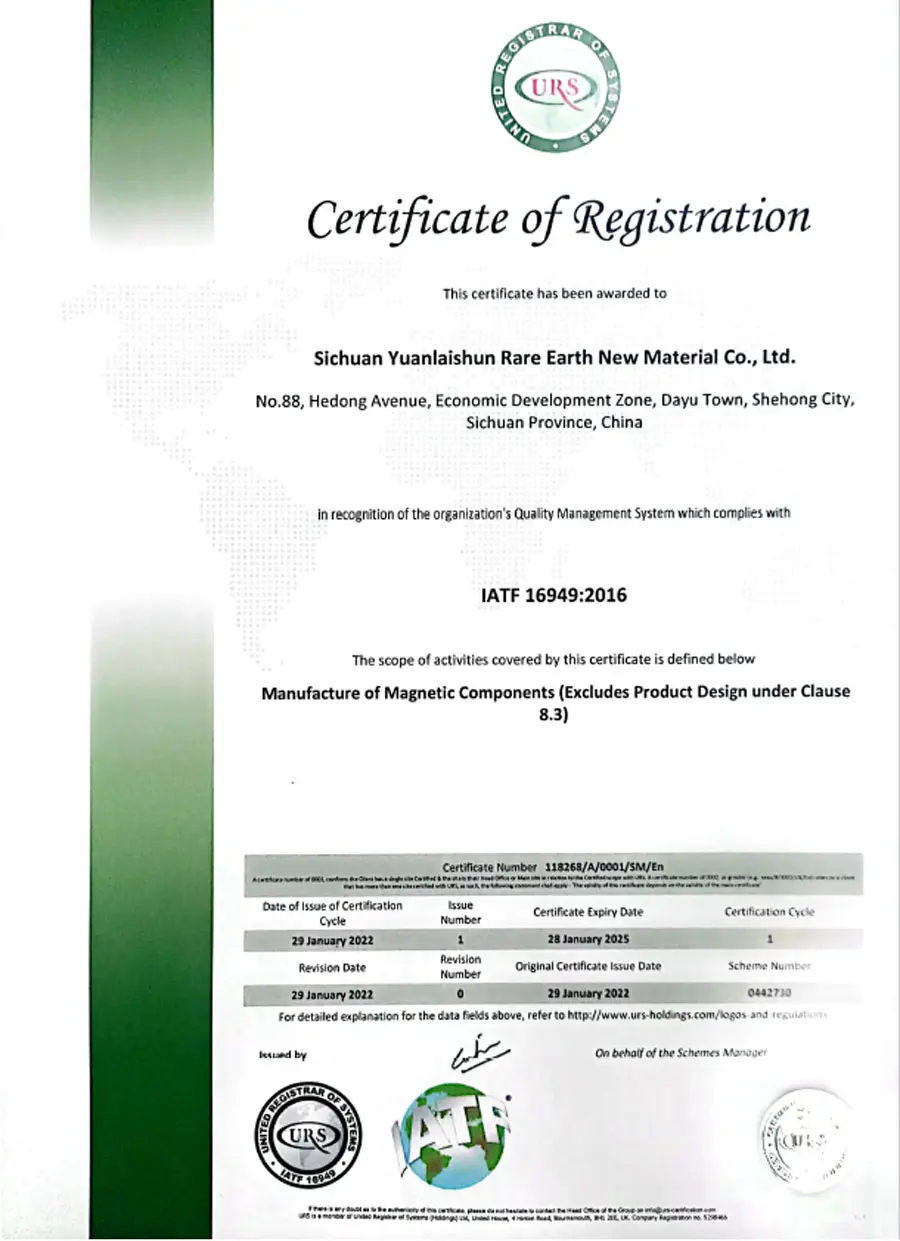
Our quality management systems meet the requirements of leading global industrial standards.
Technical answers to common questions about solid-state magnetic components.
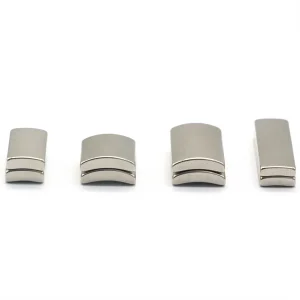
Select from our standardized magnetic components or contact our technical team to request custom sizes, grades, and coatings.

Submit your design specifications, dimension drawings, and required quantities to receive a response from our engineering team within 24 hours.
 Laysun Magnetics