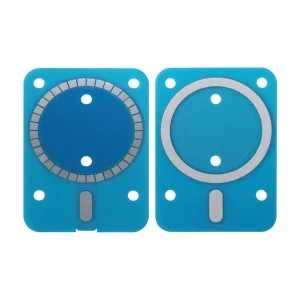
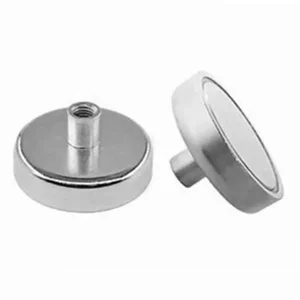
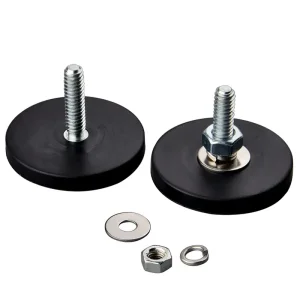
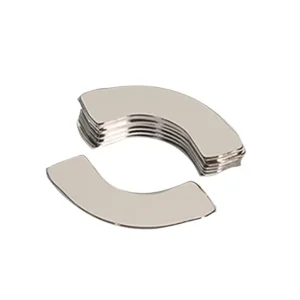
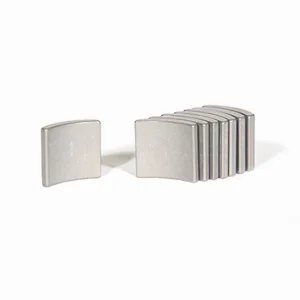
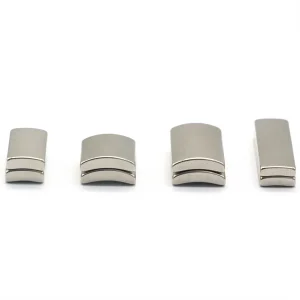
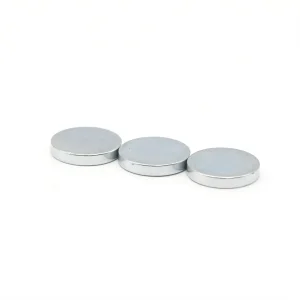
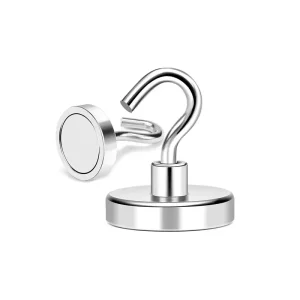
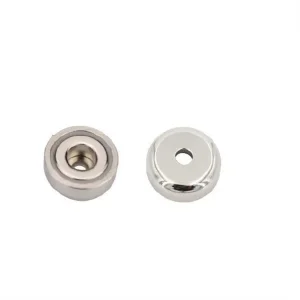
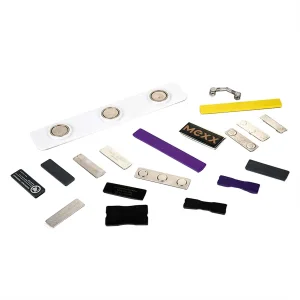
Engineered for ultimate magnetic alignment and high structural durability. Explore our top industrial-grade solutions below.
Neodymium Iron Boron (NdFeB) rare earth magnets are widely renowned for their unprecedented magnetic properties, such as high remanence ($B_r$), high coercivity ($H_{cj}$), and maximum energy product ($(BH)_{max}$). However, in modern industrial applications—especially inside high-speed electric motors, aerospace actuators, wind turbines, and automation systems—magnetic properties represent only half the equation. The mechanical properties of NdFeB magnets determine whether these components can survive intense centrifugal forces, mechanical impact, thermal stress, and vibrational fatigue without structural failure.
Historically, sintered NdFeB is categorized as an intermetallic compound, rendering it naturally brittle and susceptible to fracture. This material characterization means it exhibits high hardness but extremely low tensile strength and fracture toughness compared to structural alloys. For global procurement teams, sourcing from exporters and factories that understand how to manage and optimize these mechanical parameters is critical to avoiding high-cost field failures.
| Mechanical Property | Typical Values (Sintered NdFeB) | Measurement Standard | Significance in Engineering |
|---|---|---|---|
| Tensile Strength | 70 - 85 MPa | ASTM E8 | Limits rotor speed in surface-mounted motor designs. |
| Compressive Strength | 750 - 900 MPa | ASTM E9 | Crucial for clamping, assembly, and high-pressure fits. |
| Flexural Strength (Bending) | 240 - 290 MPa | Three-Point Bending Test | Resistance to perpendicular bending loads. |
| Vickers Hardness (Hv) | 560 - 620 | ASTM E384 | Determines wear resistance during assembly and operation. |
| Young's Modulus (E) | 150 - 160 GPa | Nanoindentation / Ultrasonic | Governs elastic deformation under mechanical stress. |
| Fracture Toughness ($K_{1c}$) | 3.0 - 5.5 $MPa \cdot m^{1/2}$ | Single-Edge V-Notched Beam | Indicates crack propagation resistance. |
Sintered NdFeB magnets undergo substantial mechanical stress in modern applications. For instance, in Electric Vehicle (EV) propulsion rotors, magnets must withstand rotational speeds exceeding 18,000 RPM. This creates tremendous radial centrifugal stress, placing the magnets under heavy tensile loads. Without adequate tensile strength and fracture toughness, micro-cracks will propagate, causing catastrophic mechanical disruption of the rotor assembly.
Your Premier High-Tech Industrial Partner in Advanced Rare Earth Magnets Since 1999.
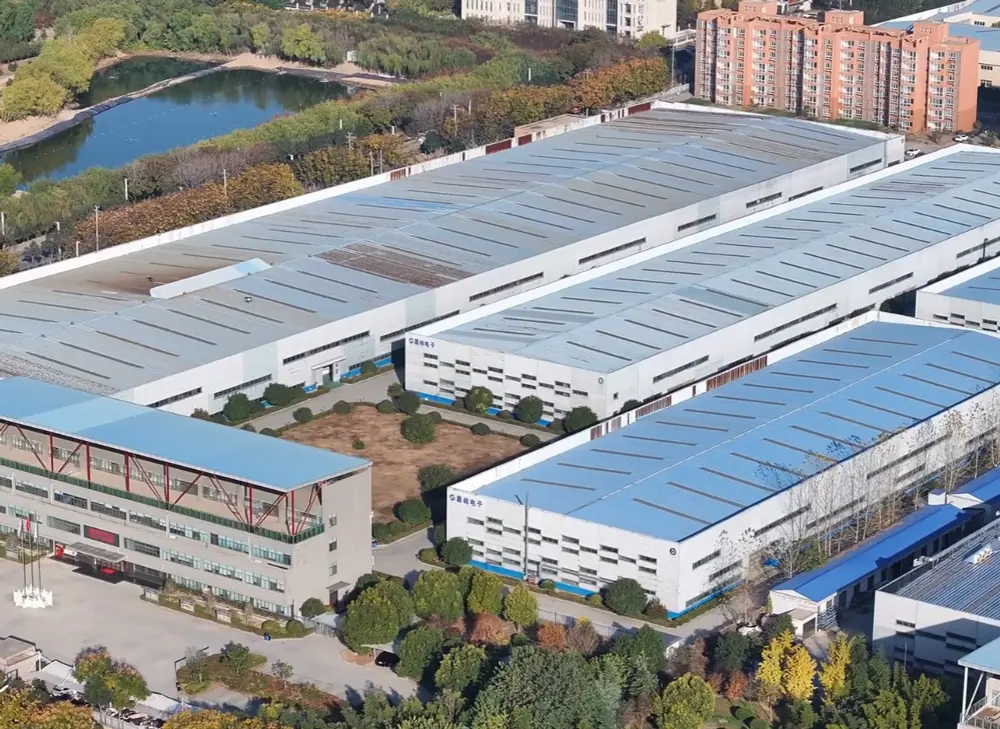
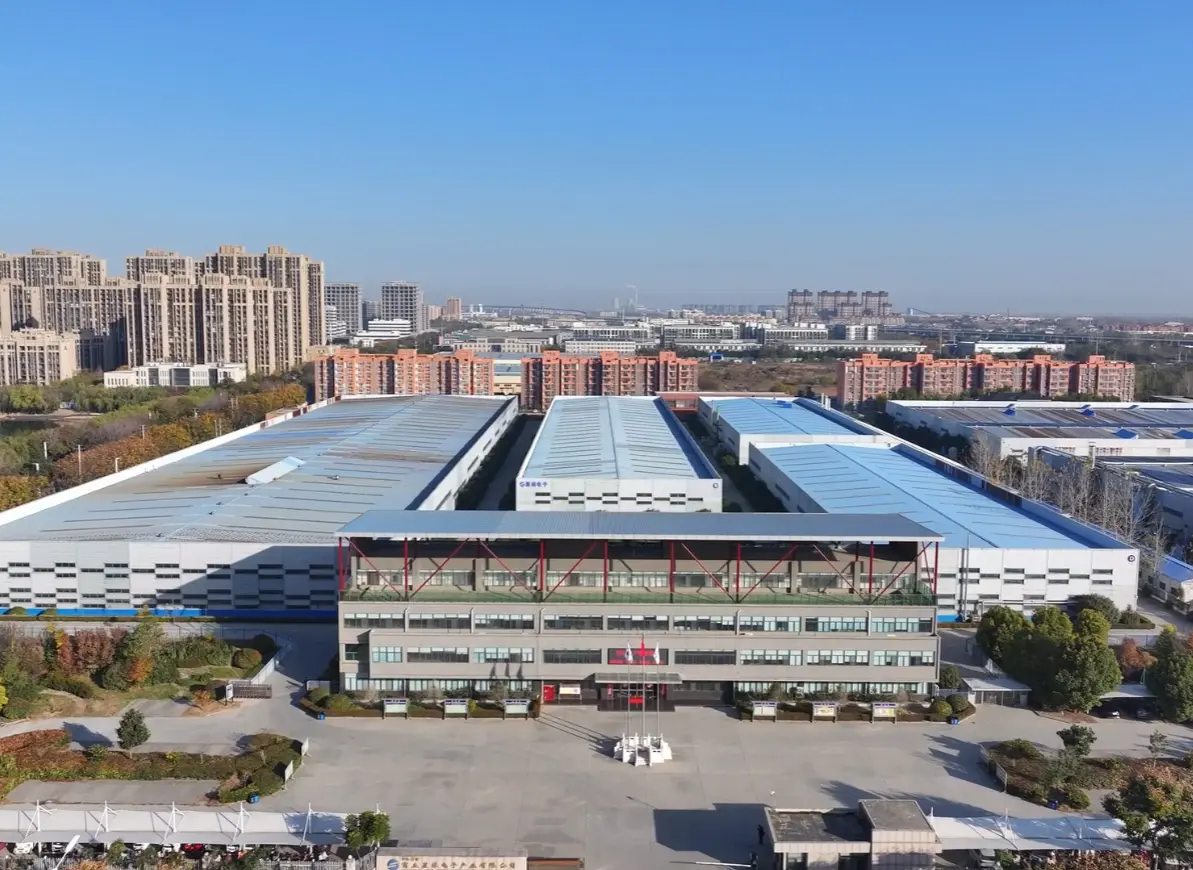
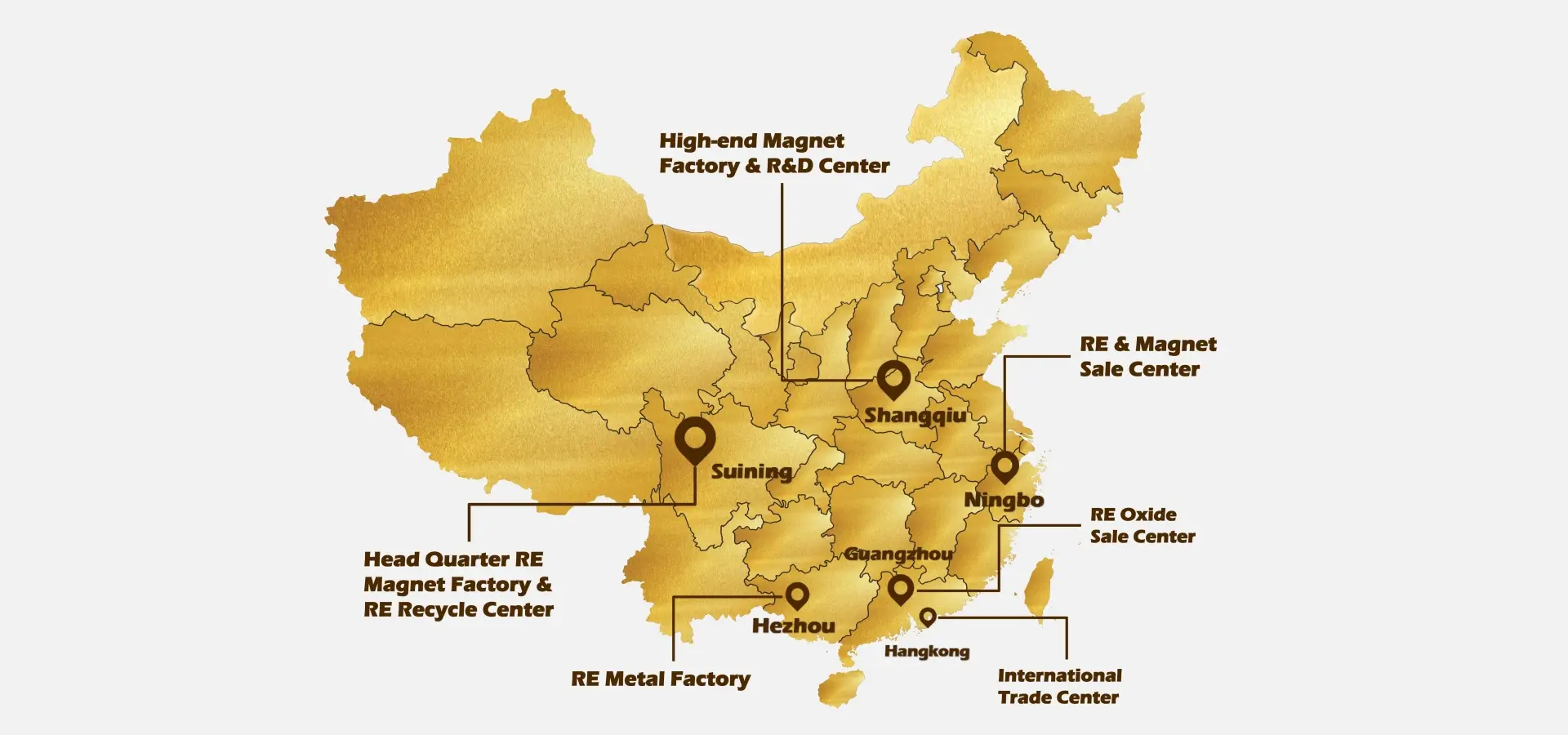
Founded at the turn of the millennium, Zhejiang Laysun Magnetics Ltd. has rapidly evolved from a visionary startup to a global industry pacesetter. Our manufacturing complex, spanning 100,000 square meters in the vibrant region of Suining, Sichuan, is equipped with state-of-the-art oxygen-free pulverization (Jet Milling), vacuum sintering, and automated precision machining facilities. We operate with a dedicated team of over 300 experienced professionals, ensuring our products meet the strict tolerances and chemical requirements of major international industries.
Our focus extends beyond standard magnetic outputs; we are heavily invested in R&D to improve the mechanical resistance and oxidation stability of NdFeB magnets. By deploying advanced grain refinement and grain boundary diffusion (GBD) processes, we produce magnets that offer not only exceptional magnetic performance but also superior structural reliability.
To overcome the inherent physical limitations of NdFeB materials, Zhejiang Laysun Magnetics Ltd. implements an intensive metallurgical roadmap. Enhancing the mechanical properties of NdFeB requires systematic modifications across several production phases:
By diffusing heavy rare earth elements like Dysprosium (Dy) or Terbium (Tb) selectively into the grain boundaries, we increase thermal and magnetic stability. More importantly, keeping these elements concentrated at the boundaries maintains the internal crystal grain ductility, preventing micro-cleavage under high flexural stress.
Adding precise trace percentages of Copper (Cu), Aluminum (Al), Niobium (Nb), or Cobalt (Co) changes the phase morphology of the boundary. Cobalt improves the Curie temperature, while Niobium forms fine boride precipitates that pin grain boundaries, helping to prevent crack propagation during high-speed rotation.
This thermal-pressing treatment drastically reduces internal micro-voids and residual porosity within the sintered block. Eliminating these void defects directly boosts the compressive strength of our block and arc segments by up to 15%, ensuring high performance under heavy clamping loads.
For technical buyers, mechanical requirements must be explicitly laid out alongside magnetic grades. For instance, when buying high-performance NdFeB magnets, specify the exact temperature coefficient of induction ($\alpha B_r$), the thermal expansion coefficient along and perpendicular to the magnetization axis, and the required coating thickness. Zhejiang Laysun Magnetics Ltd. provides comprehensive engineering consultations to match these physical criteria with your mechanical assemblies.
We work with international procurement teams to analyze the load conditions of the motor. We use Finite Element Analysis (FEA) to confirm that the selected magnet grade will withstand the localized mechanical stresses and structural loads of the application.
How our NdFeB magnets with enhanced structural properties solve engineering challenges in modern industries.

High-torque joint actuators require highly reliable permanent magnets. Exceptional mechanical stability ensures these magnets withstand the sudden start-stop acceleration cycles typical of industrial operations.

Minimizing weight while maximizing rotational speeds is vital. Our magnets deliver high magnetic flux density without sacrificing structural strength, allowing for thinner walls in high-speed brushless motors.

Our magnets are engineered to resist high centrifugal forces and demagnetization under the elevated operating temperatures of modern EV traction motors, helping extend vehicle range and motor lifespan.
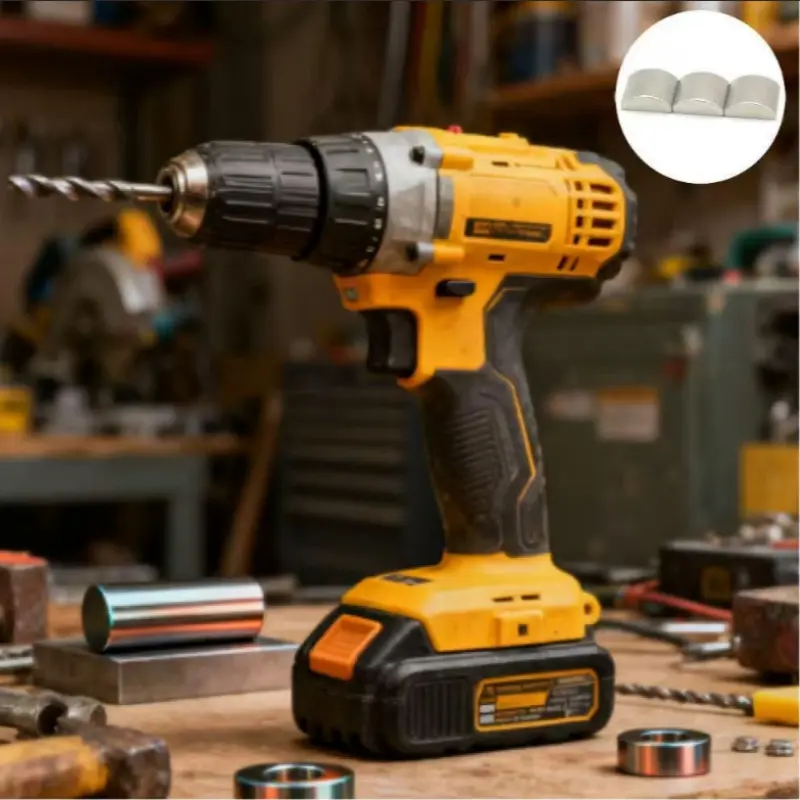
High vibration resistance is essential. Our micro-alloyed NdFeB magnets resist fracture under the high impact forces and constant vibrations common in construction equipment and power tools.

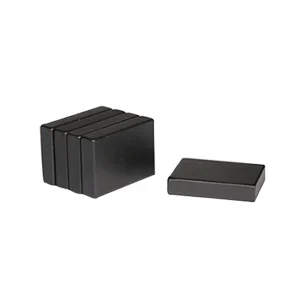
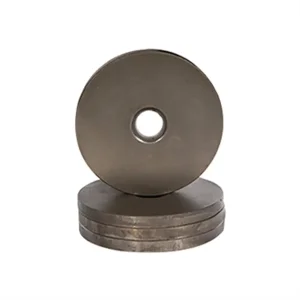
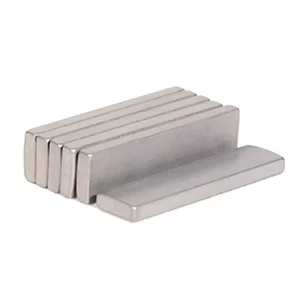
Miniaturization demands exceptionally thin magnets. Our process ensures that slim rings and block magnets retain high structural integrity and do not chip during automated assembly lines.
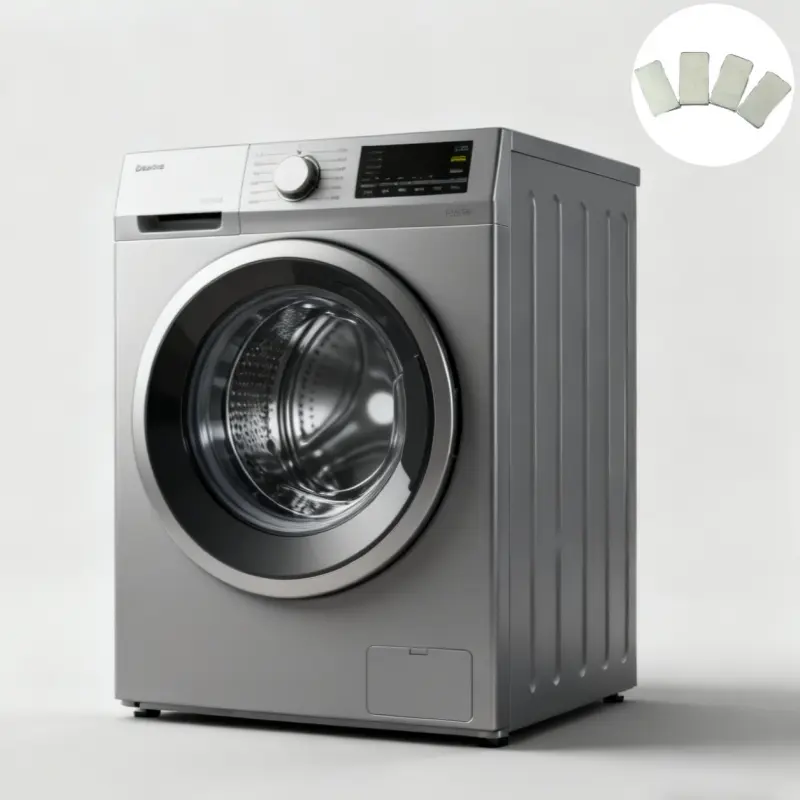
Used in high-efficiency compressor motors and pump systems. Strong resistance to corrosion and structural wear guarantees reliable performance over decades of household operation.
Operating as a global manufacturer involves navigating raw material volatility, environmental regulations, and supply chain security. For businesses purchasing NdFeB magnets, it is critical to partner with exporters that offer long-term price stability, consistent quality, and clear regulatory compliance. The rare earth supply chain is highly sensitive to price fluctuations of Praseodymium-Neodymium (PrNd), Dysprosium (Dy), and Terbium (Tb). Our direct integration with regional material suppliers in Sichuan allows us to secure stable raw materials and pass those cost benefits on to our customers.
Environmental stability is another key engineering challenge. Untreated NdFeB is highly vulnerable to corrosion due to its iron-rich composition. When exposed to humid air or industrial chemicals, it degrades rapidly, causing structural failure. To prevent this, we provide multi-layer surface coatings customized for different environmental conditions:
We work with international logistics partners to ensure all magnets are packed securely. This protects them from mechanical damage and contains their magnetic fields, meeting all air and ocean shipping regulations.
Committed to rigorous global manufacturing standards and providing localized engineering support.
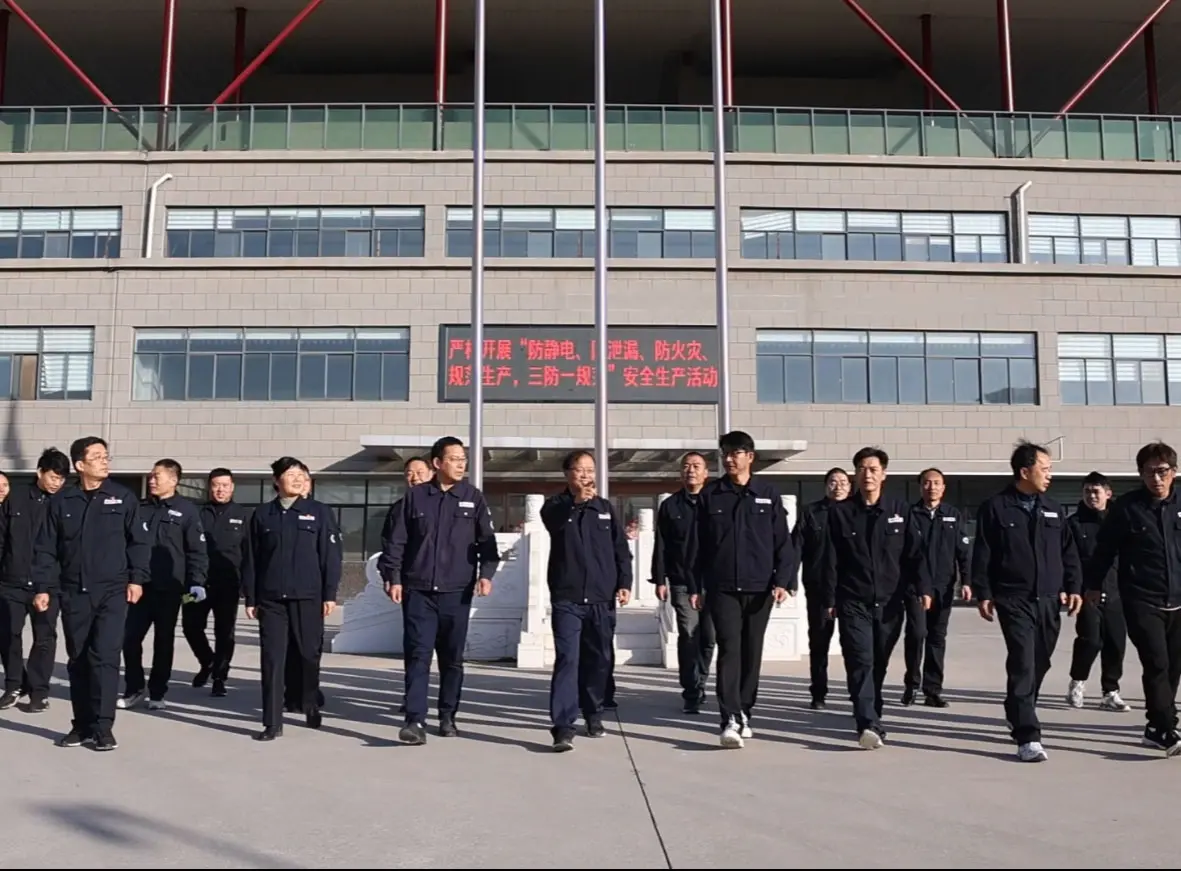
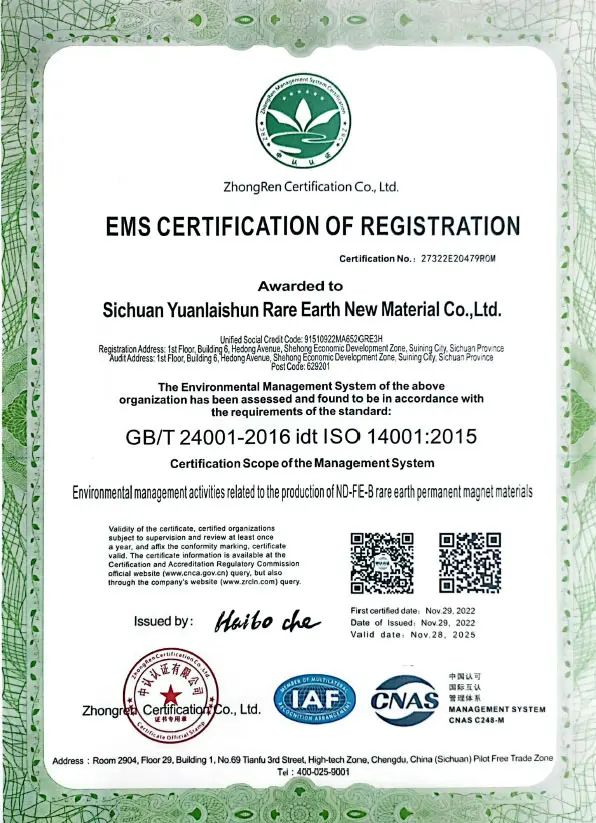
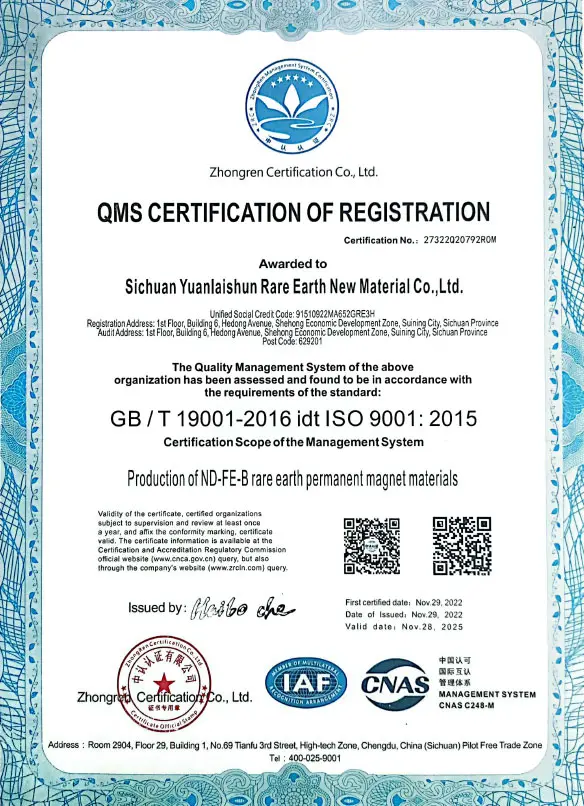
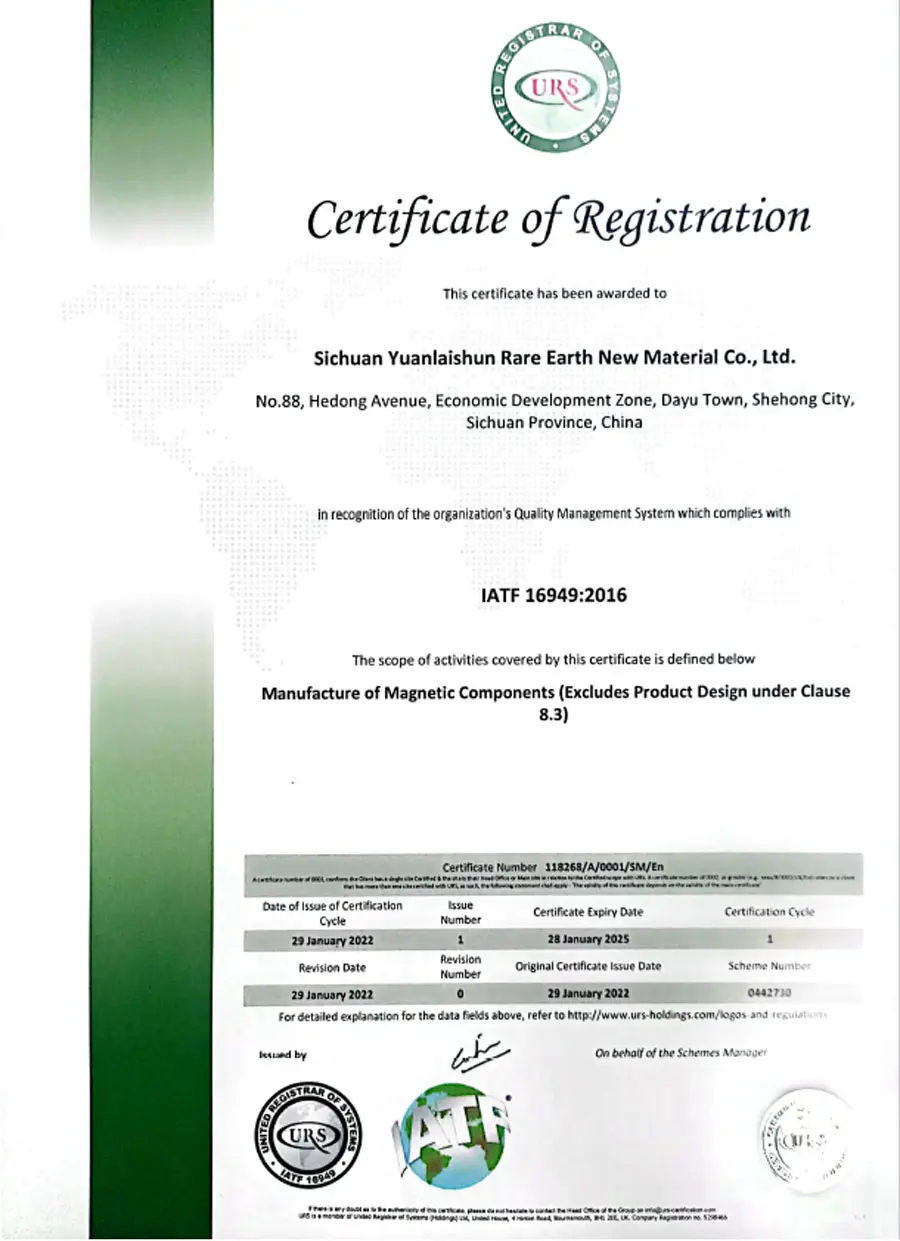
We implement a strict quality control system across all stages of production, from raw materials to final packaging. Our facilities are certified to international standards, including ISO 9001, ISO 14001, and IATF 16949 (for automotive applications). We ensure our materials are fully compliant with RoHS and REACH regulations, meeting the strict environmental requirements of global markets.
We are focused on helping customers transition to sustainable and high-performance magnetic solutions. Our engineering teams in Hangzhou and Suining work closely with global offices to provide fast, localized design support and reliable customer service.
Expert answers to common engineering questions regarding the structural and thermal performance of sintered neodymium magnets.
Direct factory sourcing with certified quality control. Click below to view detailed technical specifications.
 Laysun Magnetics