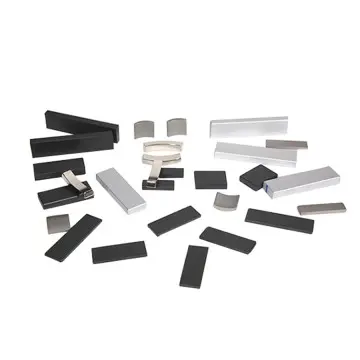
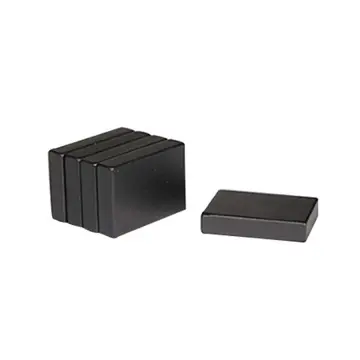
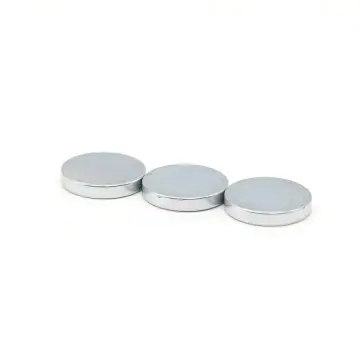
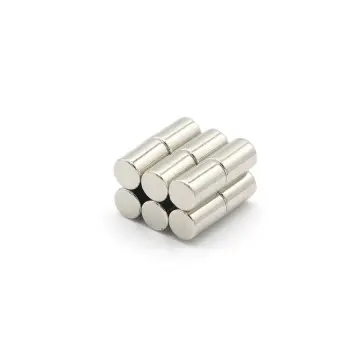
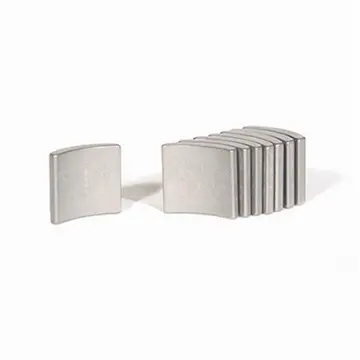
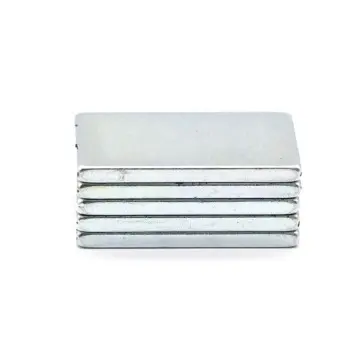
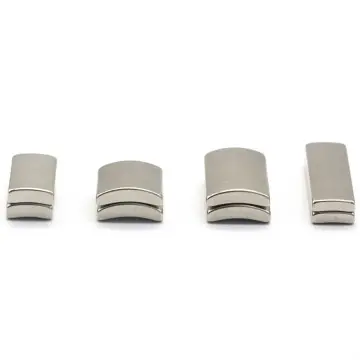
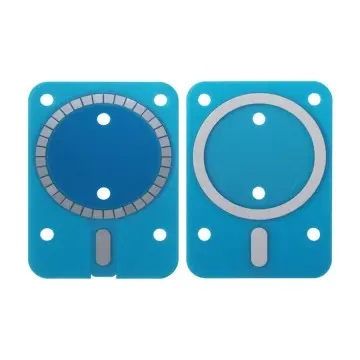
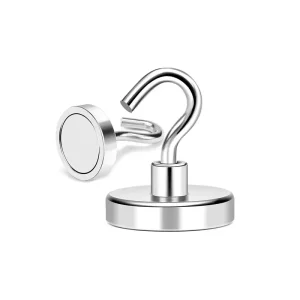
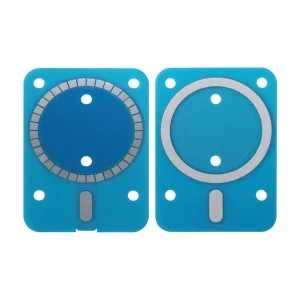
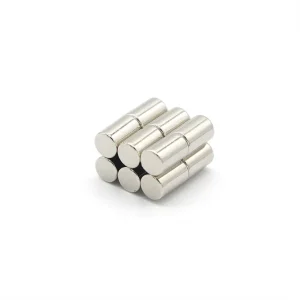
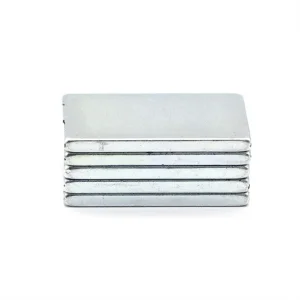
Explore our top-tier industrial rare-earth magnets optimized for seamless integration with silicon-based circuits and motor assemblies.
A Technical Whitepaper on Material Synergies in Modern Electronics, Sensors, and Power Systems
Historically, pure silicon (Si) has been treated strictly as a semiconductor, exhibiting weak diamagnetic characteristics. In its elemental form, all valence electrons of silicon are paired within its covalent tetrahedral lattice structure, leading to a negative magnetic susceptibility. However, in modern advanced engineering, the phrase "magnetic properties of silicon" refers to two revolutionary industrial disciplines: the doping of silicon substrates with magnetic transition elements to create dilute magnetic semiconductors (DMS) for spintronics, and the development of high-resistivity silicon-iron (Fe-Si) soft magnetic alloys.
For electrical engineers and procurement specialists analyzing a pricelist for high-efficiency motors, actuators, and sensor arrays, understanding the spatial interaction between permanent neodymium magnets (NdFeB) and silicon-based alloys is critical. At Zhejiang Laysun Magnetics Ltd., we bridge this boundary by designing sintered NdFeB solutions that align perfectly with the thermal, physical, and magnetic boundaries of silicon-doped hardware.
To grasp why global exporters are focused on silicon's magnetic properties, we must explore three specific technical pathways:
Pure silicon displays a magnetic susceptibility of approximately -1.6 x 10⁻⁵. This characteristic is highly stable across temperature variations, making silicon substrates ideal for ultra-precise MEMS sensors that must operate close to high-power permanent magnetic fields without inducing signal distortion.
By adding 3% to 4.5% silicon to iron, engineers dramatically increase electrical resistivity (from 10 µΩ·cm to over 50 µΩ·cm). This suppresses eddy current loops. Choosing the right exporter for matching high-remanence NdFeB magnets with these Fe-Si cores ensures the highest torque density.
Transition metal doping (e.g., Manganese, Cobalt, or Iron into the silicon lattice) allows control over spin transport. This underpins spin-LEDs and next-generation non-volatile memory (MRAM) modules where silicon acts as the host transport layer.
Watch our technical briefing below to understand Zhejiang Laysun Magnetics' state-of-the-art sintering and testing infrastructure, where we evaluate material dynamics across variable magnetic fields.
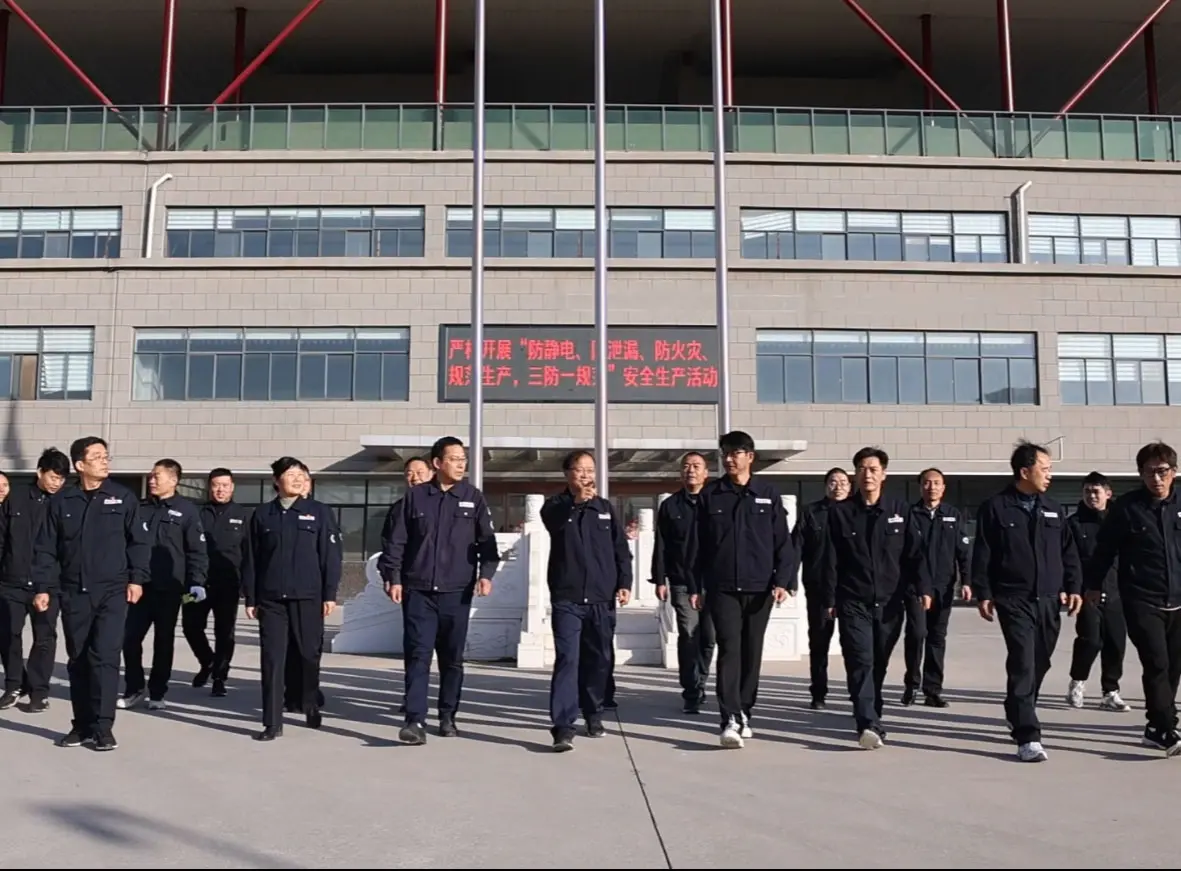
Established in 1999, Zhejiang Laysun Magnetics Ltd. has spent over two decades pioneering high-performance rare-earth magnetic solutions. As a recognized national high-tech enterprise, we integrate scientific research, material synthesis, precision machining, and export services into a singular, highly efficient workflow.
Our manufacturing facility spans over 100,000 square meters, boasting an annual output capacity exceeding 5,000 tons of sintered NdFeB magnets. We employ a dedicated team of 300+ professionals, including material scientists, electrical design engineers, and quality assurance specialists.
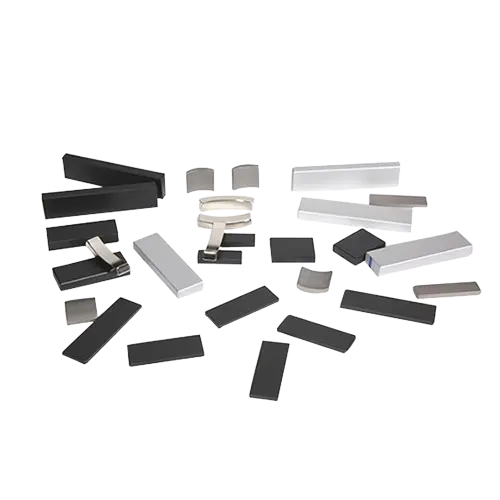
The industrial demand for specialized magnetic components optimized for silicon environments has experienced exponential growth. Key sectors include:



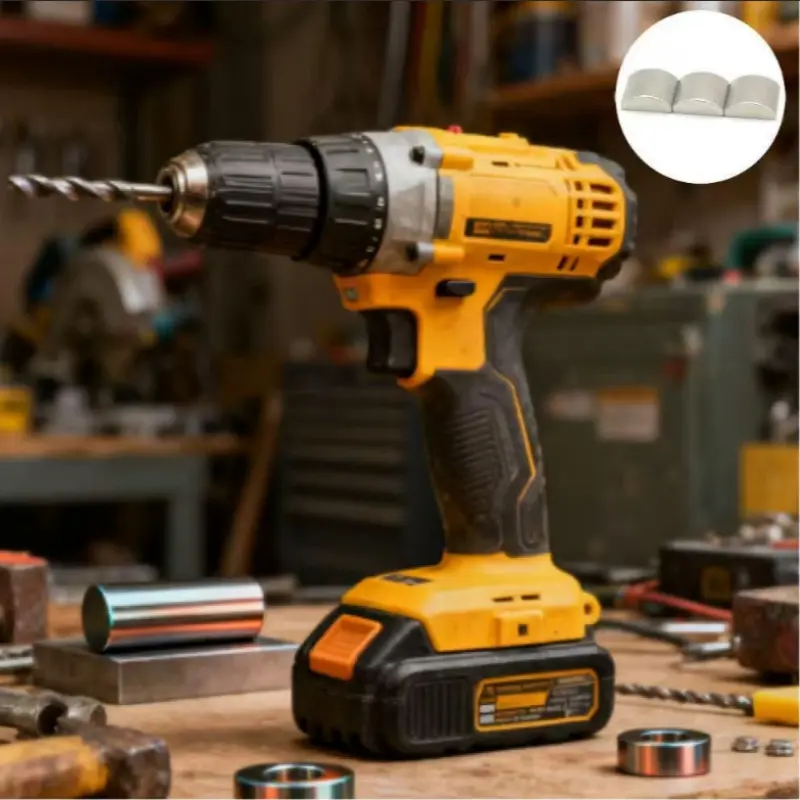

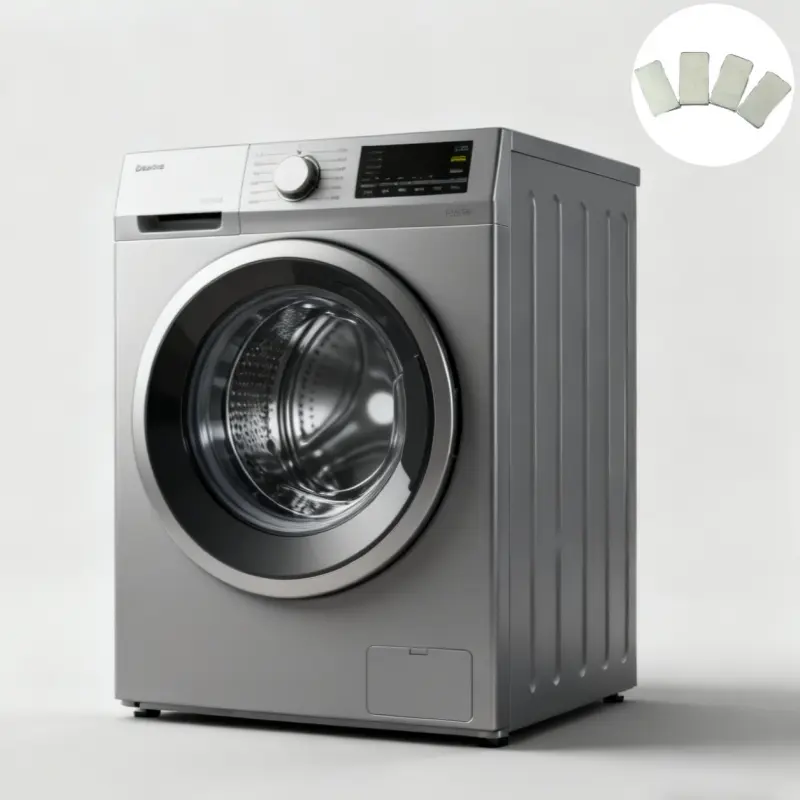
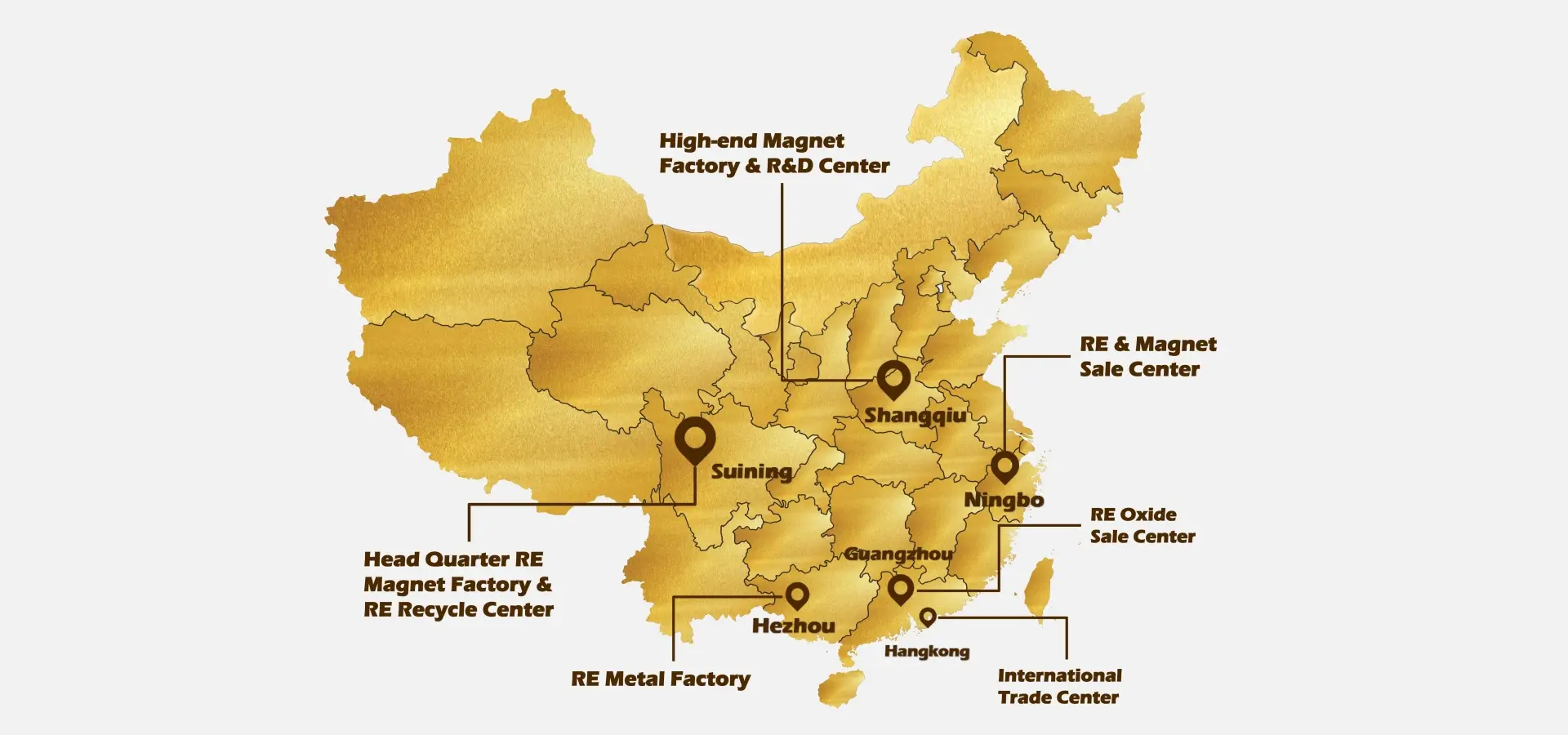
Zhejiang Laysun Magnetics Ltd. operates from Suining, Sichuan and Hangzhou, Zhejiang, placing us at the heart of the global rare-earth supply chain. This strategic location guarantees access to raw materials (Neodymium, Dysprosium, Praseodymium) with zero downstream disruption.
Our factory features closed-loop automated sintering kilns, advanced wire-cutting machines, and electrochemical coating baths (Nickel, Zinc, Epoxy). Through massive scale and optimized raw-material sourcing, we keep our prices competitive and offer highly stable quotes. This makes us the preferred exporter for international purchasers looking for bulk deliveries without compromising on quality standards.
We recognize that different regions have unique engineering, safety, and regulatory requirements. Our exports comply fully with Western environmental standards, including RoHS, REACH, and Conflict Minerals regulations. To better support our partners, we have set up support channels and logistics networks spanning North America, Europe, and Southeast Asia.
Whether your project requires specific magnetic performance assessments, customized geometry sizing, or protective surface treatments (like multi-layer Ni-Cu-Ni or organic epoxy), our engineering team works directly with yours to ensure compatibility with your silicon-steel core configurations.
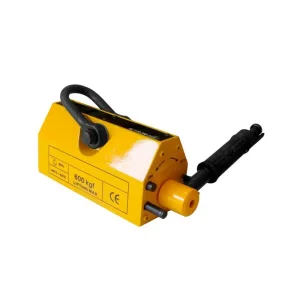
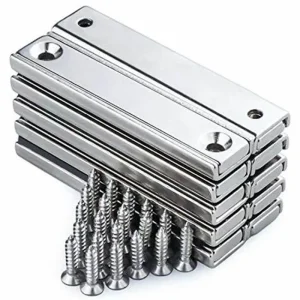
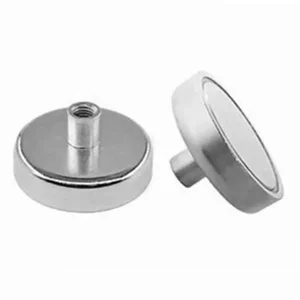
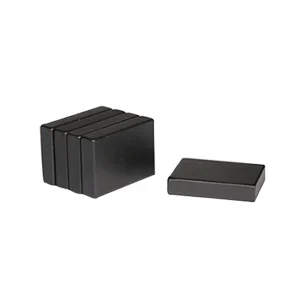
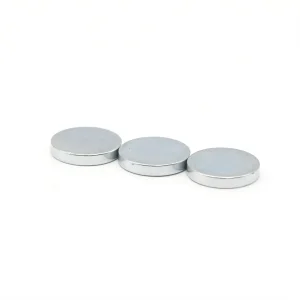
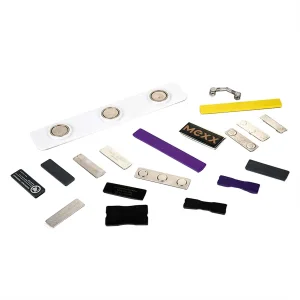
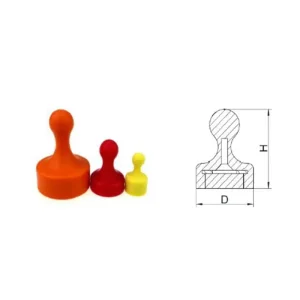
Browse our catalog of custom-engineered permanent magnets categorized by specialized industrial use cases.
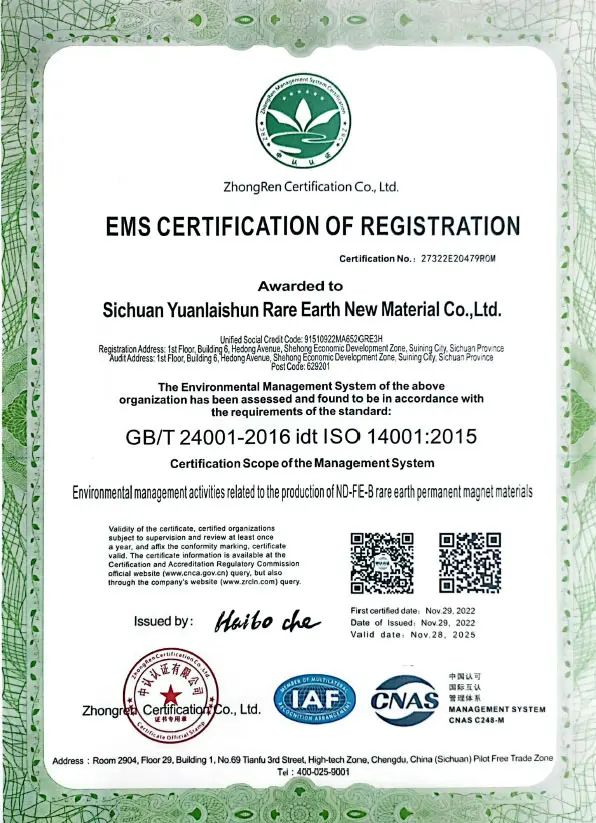
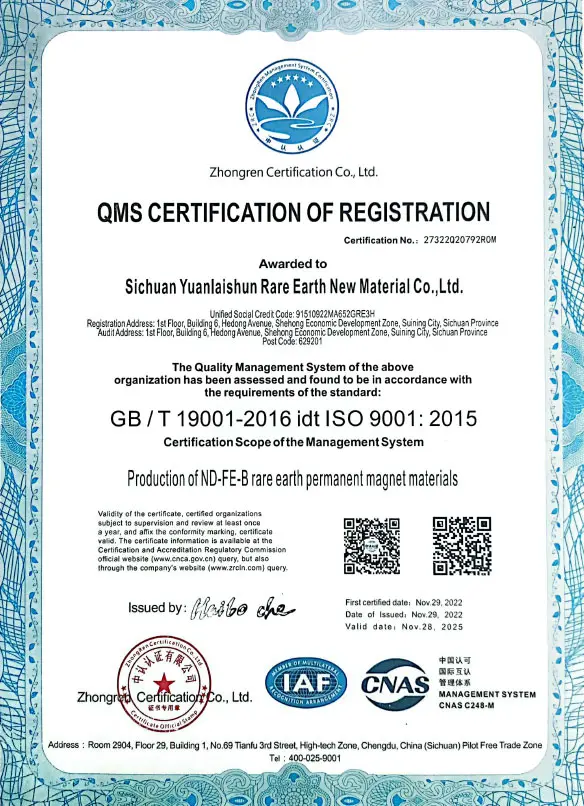
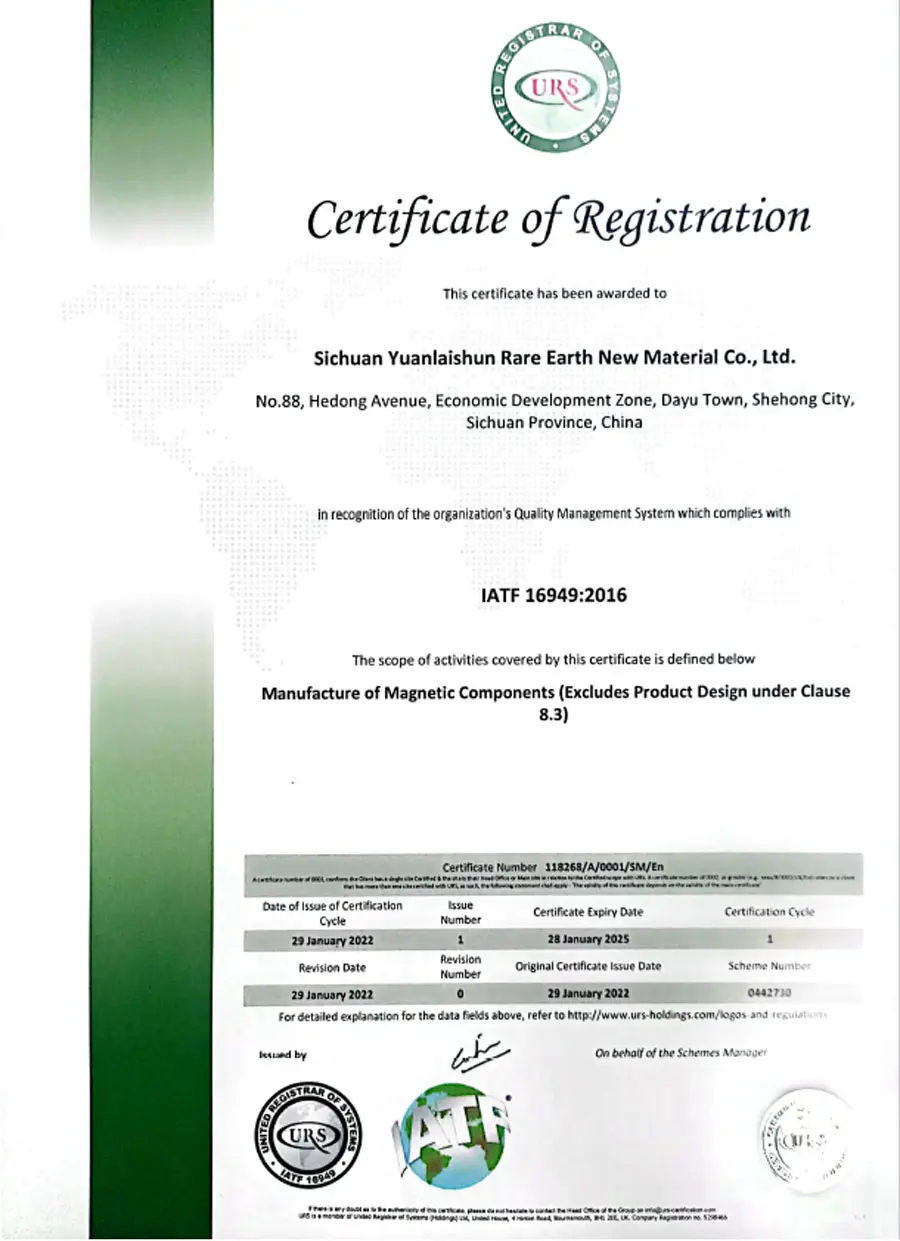
Our products are manufacturing under strict guidelines: ISO9001, ISO14001, ISO18001, CE, and TS standards.
Get instant answers regarding the magnetic properties of silicon, material interactions, and wholesale pricing structures.
No. Pure crystalline silicon is weakly diamagnetic at room temperature, meaning it slightly repels magnetic fields and has a magnetic susceptibility of -1.6 x 10⁻⁵. However, when alloyed with iron (known as silicon steel) or doped with transition metals (such as Manganese), it exhibits significant magnetic properties, making it invaluable for electromagnetic and spintronic applications.
Adding silicon to steel increases the material's electrical resistance. When paired with high-performance Neodymium (NdFeB) magnets, this resistance significantly minimizes eddy current losses generated by high-frequency magnetic fluxes. This pairing ensures maximum motor efficiency and prevents thermal degradation.
Standard NdFeB magnets can lose magnetic energy as temperature rises. For environments exceeding 150°C, we provide custom high-coercivity (SH, UH, EH, or AH grades) NdFeB magnets. These grades are formulated with dysprosium additions to prevent demagnetization when interacting with high-resistivity silicon steel cores.
Yes. Zhejiang Laysun Magnetics Ltd. provides comprehensive bulk pricing tables based on raw material costs, manufacturing complexities, and order volumes. Please use our inquiry form or contact our sales office directly; we guarantee detailed quotes within 24 hours.
Our factory employs automated fluxmeters, hysteresis graphs, and ICP spectrometers to verify chemical compositions and magnetic homogeneity. With our annual capacity of 5,000 tons, we maintain consistent manufacturing environments that ensure batch-to-batch repeatability.
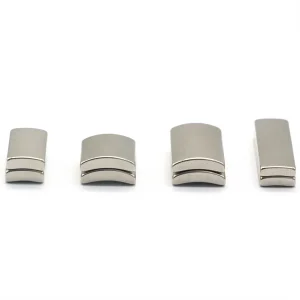
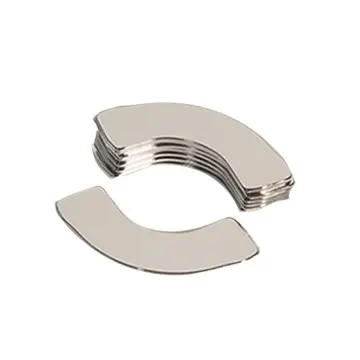
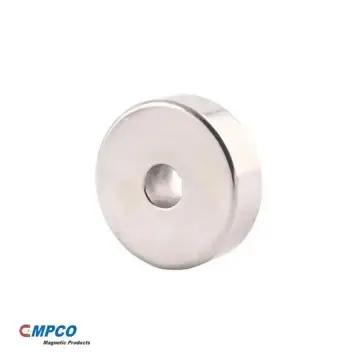
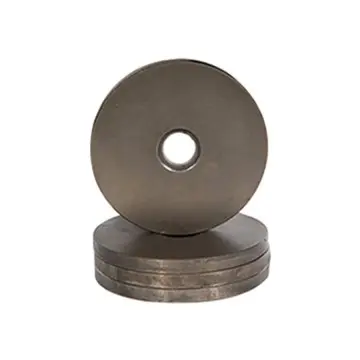
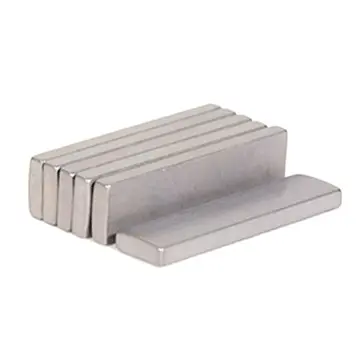
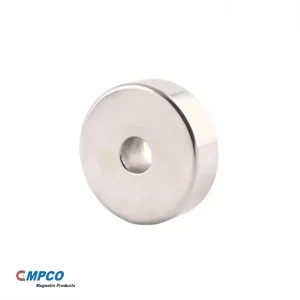
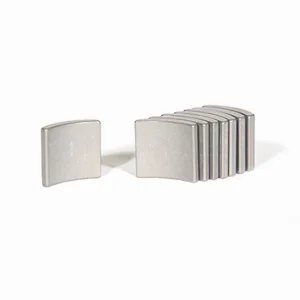
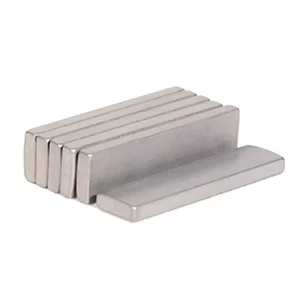
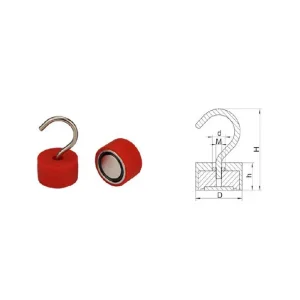
Explore our highly durable, corrosion-resistant magnetic blocks, rings, and custom-shaped components.
 Laysun Magnetics