Explore our core selection of high-performance sintered neodymium magnets engineered for modern industries.
A technical whitepaper on structural weight reduction and high-density magnetic fields.
In the design of modern electric motors, aerospace actuators, and dynamic robotics, the selection of materials dictates efficiency, thermal management, and power density. The intersection of lightweight structural components—specifically focusing on magnesium mechanical properties—with high-flux permanent magnetic solutions like Sintered Neodymium-Iron-Boron (NdFeB) represents the bleeding edge of current industrial engineering.
Magnesium possesses exceptional specific strength, high damping capacity, and superior electromagnetic shielding capabilities. However, integrating magnesium with rare earth magnets requires meticulous metallurgical engineering. The mechanical performance of magnesium alloys under rotational stresses and high thermal loads must align with the magnetic performance stability of NdFeB cores.
| Alloy Grade / Material | Tensile Strength (MPa) | Yield Strength (MPa) | Elongation (%) | Density (g/cm³) |
|---|---|---|---|---|
| AZ91D (Magnesium Alloy) | 230 - 250 | 150 - 160 | 3 - 5% | 1.81 |
| AM60B (Magnesium Alloy) | 220 - 240 | 120 - 130 | 6 - 8% | 1.80 |
| ZK60A (High Strength Magnesium) | 290 - 310 | 220 - 240 | 10 - 12% | 1.83 |
| Sintered NdFeB (For Reference) | 80 | N/A (Brittle) | N/A | 7.5 - 7.6 |
Because Sintered NdFeB magnets are inherently brittle and dense, they require rigid, vibration-resistant housings. Magnesium’s outstanding damping capacity absorbs structural vibrations that could otherwise lead to micro-fracturing in permanent magnets. This mechanical synergy extends the lifespan of components in high-stress applications such as wind turbine rotors and high-rpm EV drivetrains.
Analyzing procurement patterns, supply chain shifts, and structural developments.
Multi-national OEMs are shifting towards integrated supply chains. Instead of sourcing magnets and lightweight structural brackets separately, engineers demand sub-assemblies where permanent magnets are pre-mounted inside customized magnesium alloy housings, ensuring tight tolerances and optimized thermal pathways.
By leveraging magnesium mechanical properties, aerospace and automotive developers cut structural weight by up to 35% compared to aluminum. This direct mass reduction offsets the heavy density of high-energy rare-earth magnets, increasing the operational range and carrying capacity of drones and electric vehicles.
Both magnesium and NdFeB magnets are highly active chemically and susceptible to oxidation. Advanced surface coating innovations like Parylene, electrophoretic epoxy resins, and multilayer nickel-copper-nickel (Ni-Cu-Ni) plating are concurrently applied to protect the mechanical boundaries of the assembly.
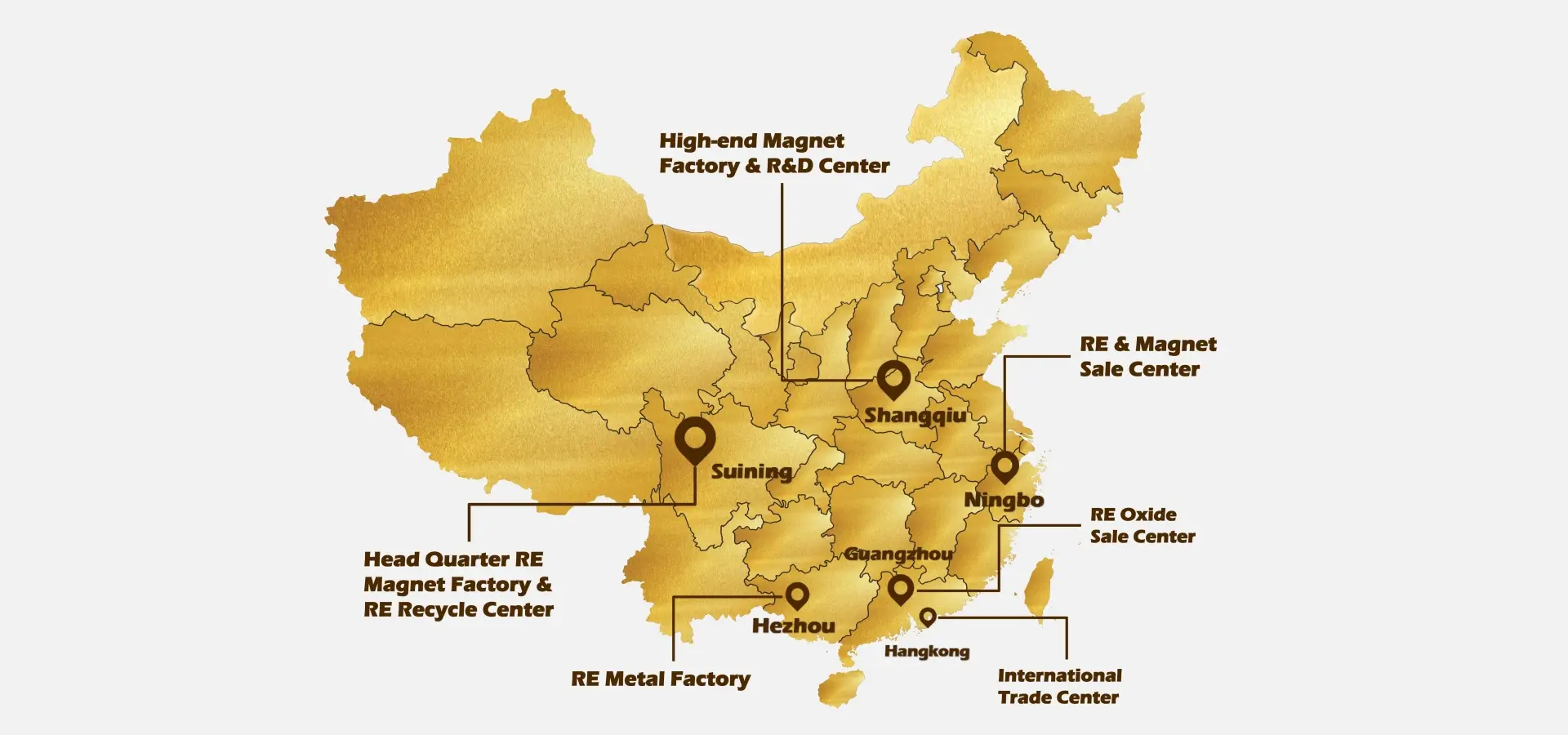
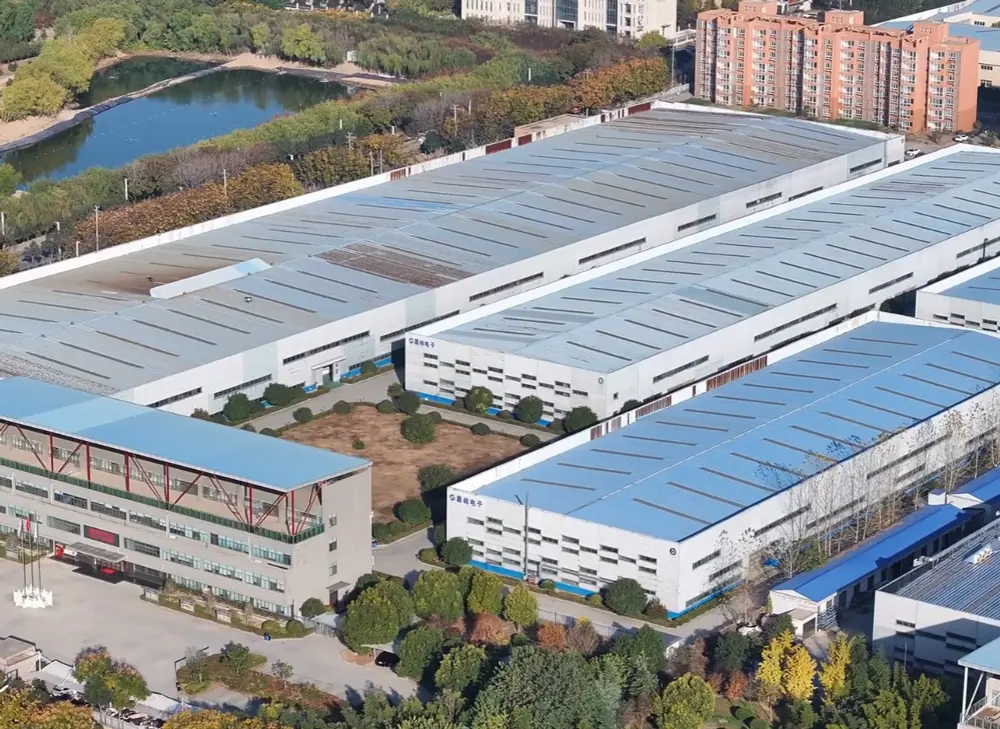
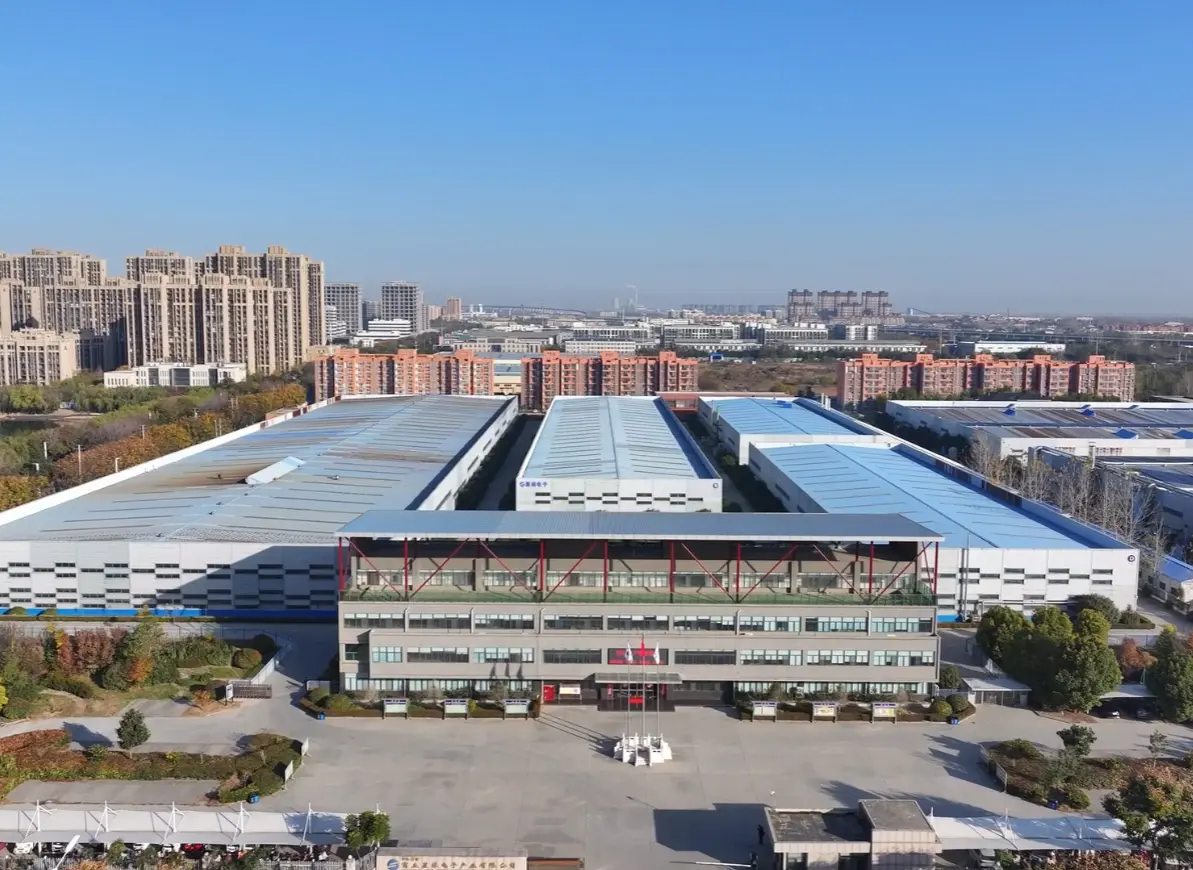
Zhejiang Laysun Magnetics Ltd., founded at the turn of the millennium in 1999, operates a state-of-the-art 100,000 square meter factory in Suining, Sichuan. Integrating modern "Factory 4.0" initiatives allows us to maintain tight quality parameters across our massive annual output of 5,000 tons.
By utilizing robotic sorting, automated sintering kilns, and real-time sensor networks, we ensure consistency in magnetic grain alignment and dimensional tolerances. Our strategic access to primary raw materials ensures price stability and reliable manufacturing schedules, shielding our global partners from market fluctuations.
Watch our automated precision processing workshop and testing labs in action.
Where high-performance magnetic assemblies meet engineered structural properties.
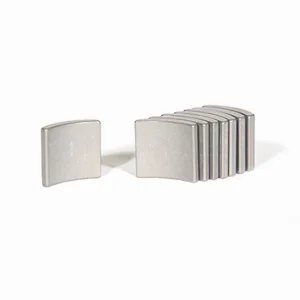
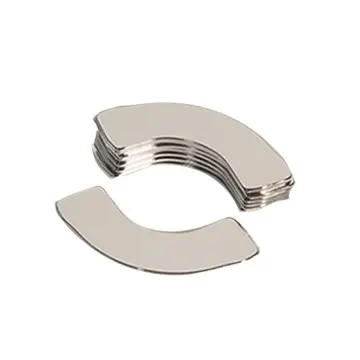
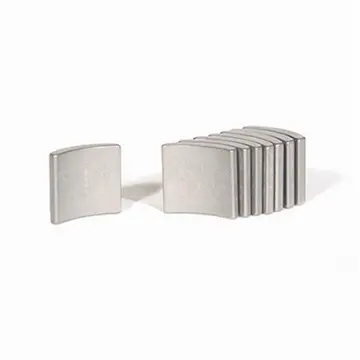
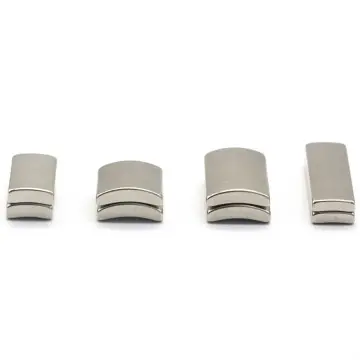
Joint motors require instant response. Integrating lightweight alloy housings with ultra-high coercive force NdFeB arc segments allows robots to achieve precise movement with minimum inertia.
For aerial systems, every gram saved extends battery flight time. Combining magnesium structural mechanical benefits with our optimized permanent magnets maximizes thrust efficiency.
Automotive EPS and main drive systems rely on NdFeB magnets that operate stably at temperatures up to 200°C, backed by strong casing integrity to withstand extreme road shocks.
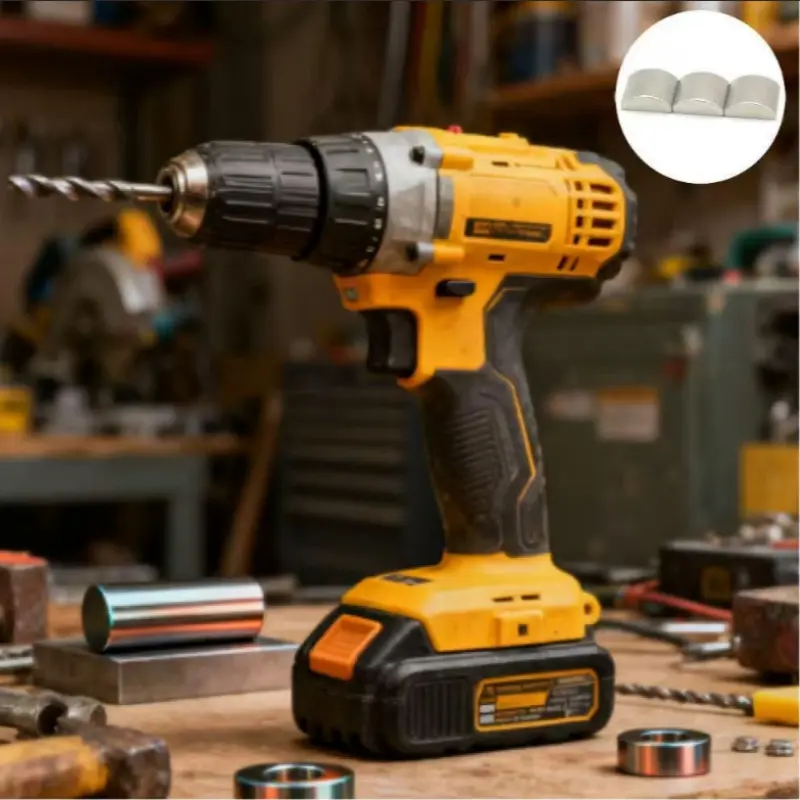
Cordless drills and saws benefit from brushless DC motors that utilize our lightweight assemblies. This ensures high torque output without fatiguing the tool operator.
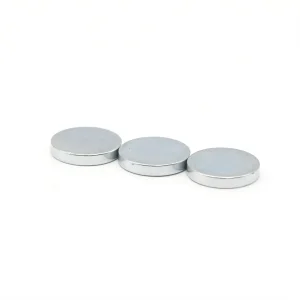
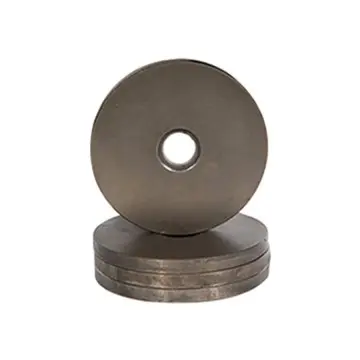
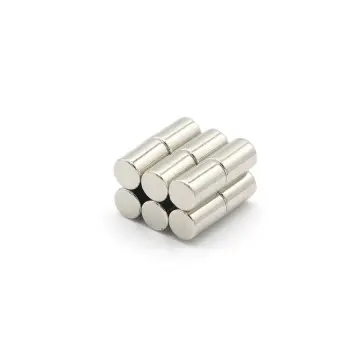
Hard disk drives, smartphone camera autofocus systems, and premium speakers demand precision voice coil motors utilizing sub-millimeter thin rare earth magnet discs.
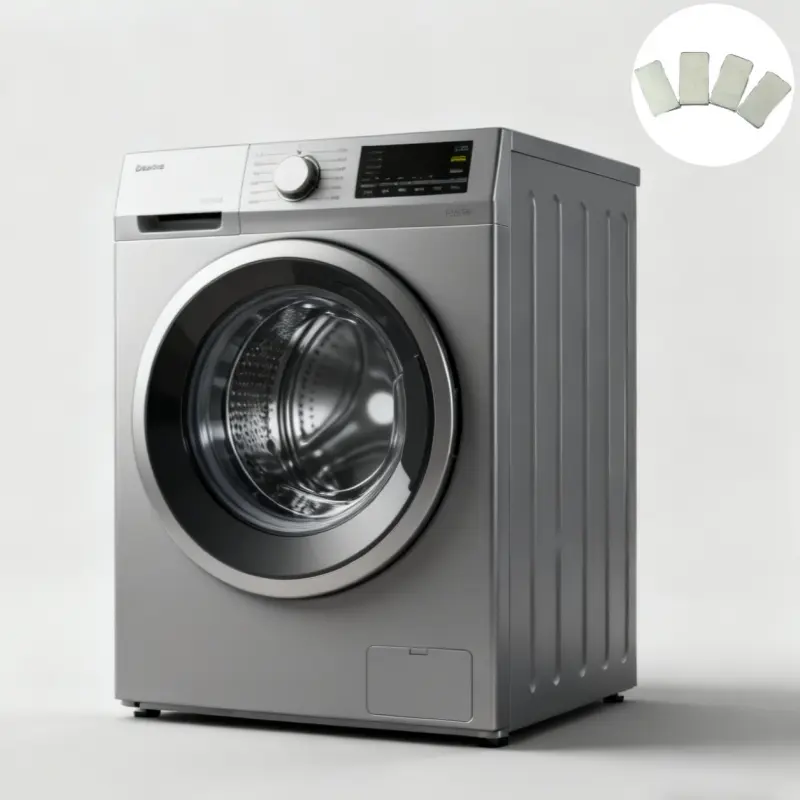
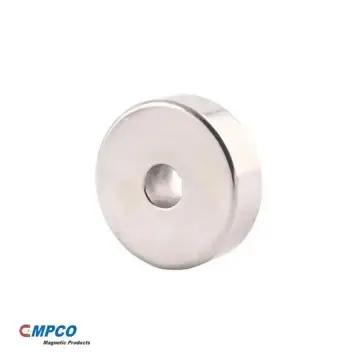
Compressors in variable-frequency air conditioners and washing machines run significantly quieter and consume less energy when powered by our high-consistency NdFeB rings.
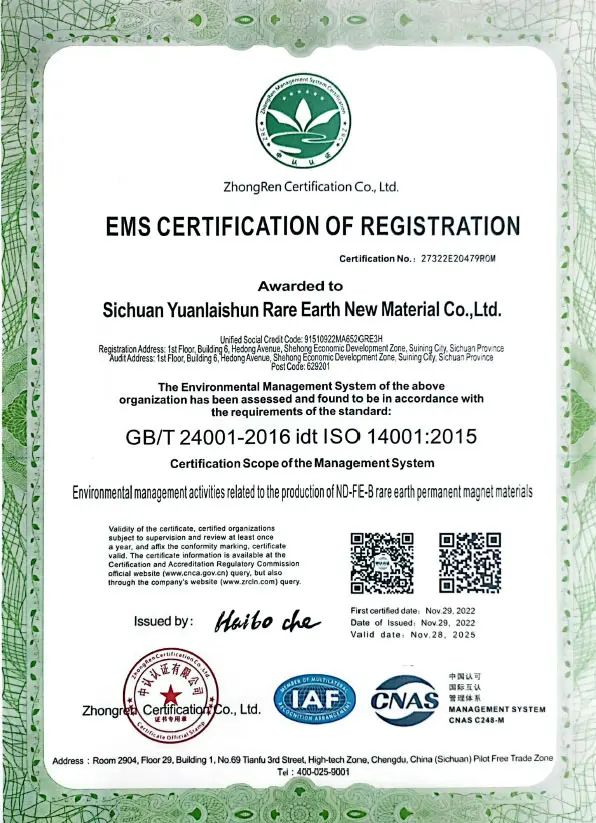
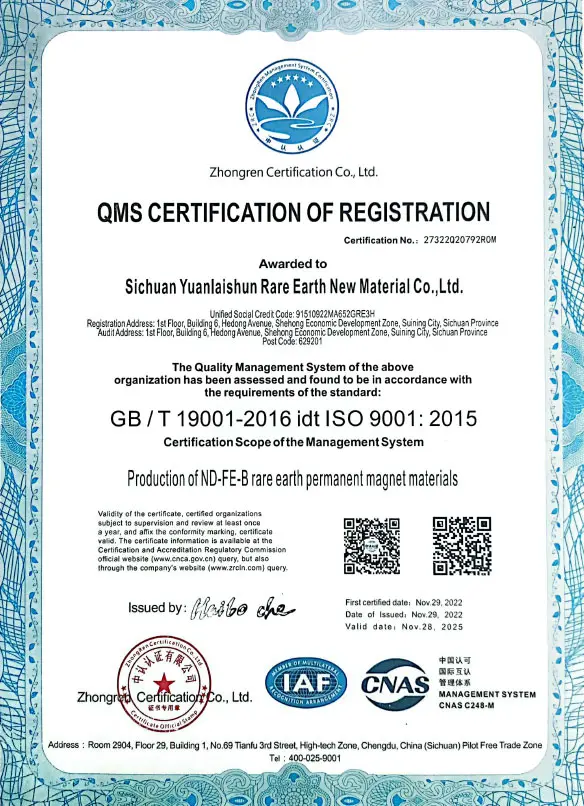
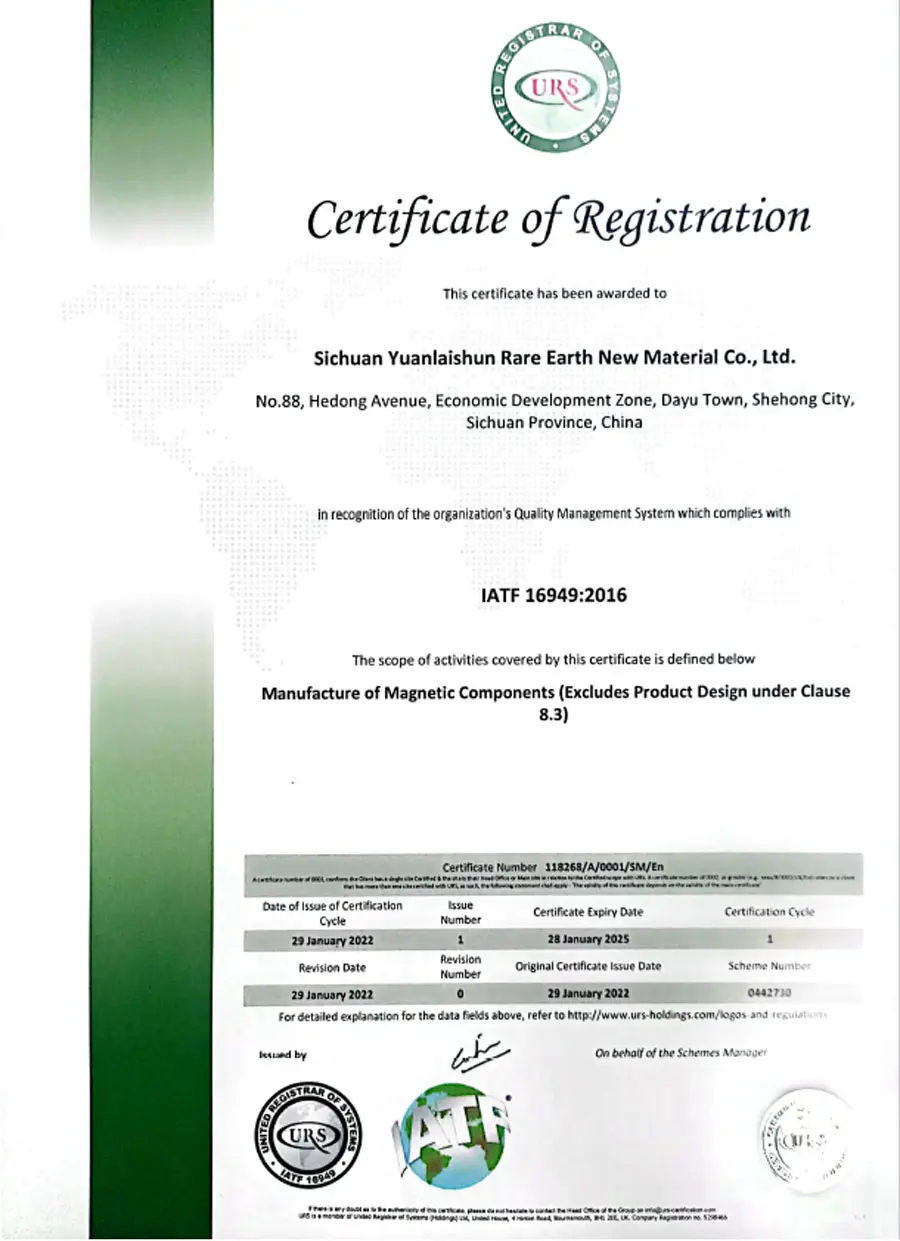
At Zhejiang Laysun Magnetics Ltd., quality, technological innovation, and credibility are our guiding operational tenets. We support high-performance applications with stringent engineering verification processes.
Each batch of our rare earth magnets undergoes comprehensive testing, including demagnetization curve analysis, salt spray resistance, PCT/HAST testing, and 3D coordinate dimensional inspections to ensure seamless integration into your final mechanical assemblies.
Reach out to our engineering team. We guarantee detailed feedback within 24 hours.
Contact Our SpecialistsHeadquartered in the vibrant manufacturing hub of Hangzhou, Zhejiang, and backed by our massive production facilities in Suining, Sichuan, Eneroc & Laysun are building worldwide subsidiaries and local offices to support our international customers with immediate warehousing, customized sizing modifications, and on-demand technical support.
Our geographical position facilitates seamless global logistics—whether via sea, rail, or express air shipping—guaranteeing that your production lines remain uninterrupted.
Addressing the technical, commercial, and structural questions of engineering procurement managers.
Magnesium provides a lightweight, highly rigid alternative to aluminum or steel. Its superior strength-to-weight ratio allows motor rotors and outer casings to be designed with less mass, which reduces rotational inertia. Furthermore, magnesium's excellent damping capacity mitigates high-frequency vibration issues commonly seen in high-rpm permanent magnet synchronous motors (PMSM).
Both magnesium and NdFeB magnets are highly active metals prone to galvanic corrosion when in contact. To prevent this, Zhejiang Laysun Magnetics applies highly advanced, non-conductive barriers. We coat the magnets with multilayer Ni-Cu-Ni or epoxy, and passivate or anodize the magnesium surface. For demanding applications, we wrap the assembly in chemical-resistant Parylene-C coatings, isolating the metallic components from external moisture.
Standard Neodymium magnets operate up to 80°C. However, for industrial motors and automotive drivetrains, we manufacture high-coercivity grades (such as UH, EH, or AH series) which utilize dysprosium and terbium additions to allow stable continuous operation at temperatures ranging from 180°C up to 220°C without significant demagnetization.
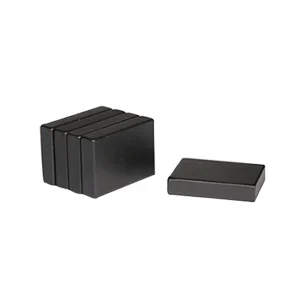
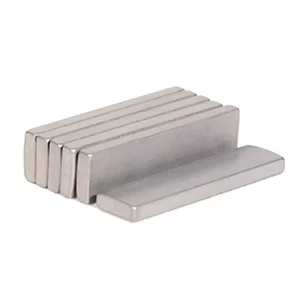
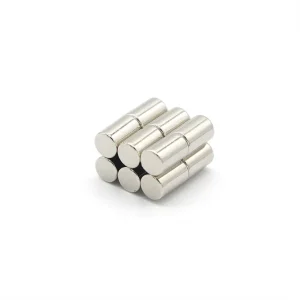
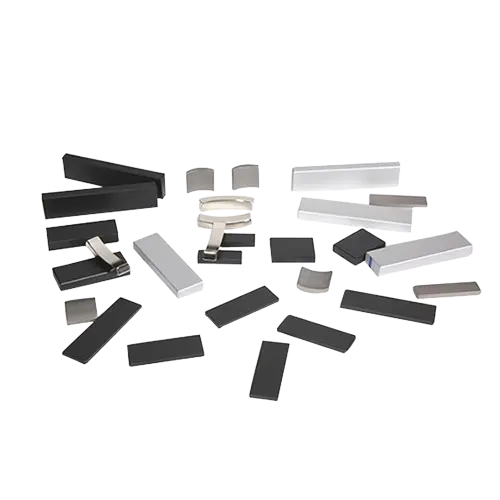
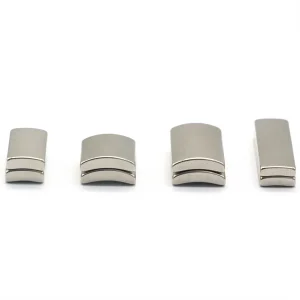
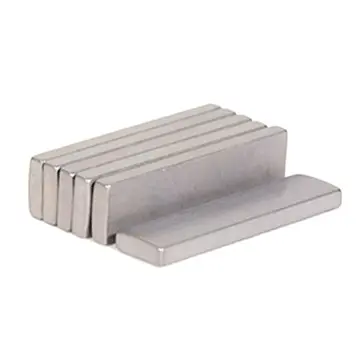
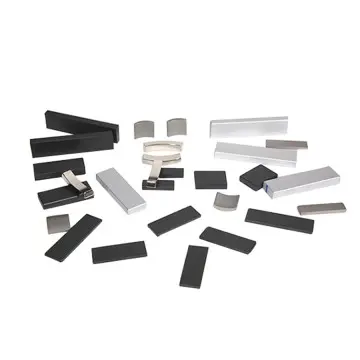
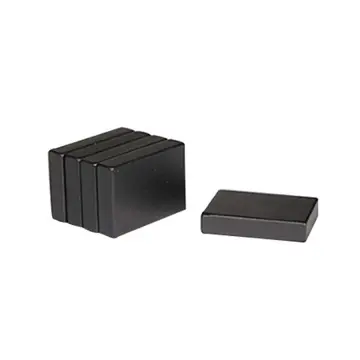
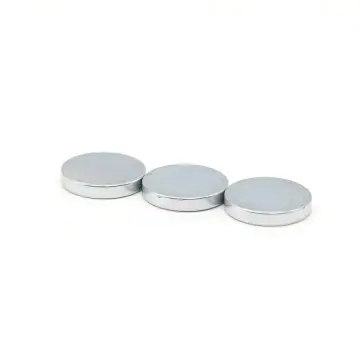
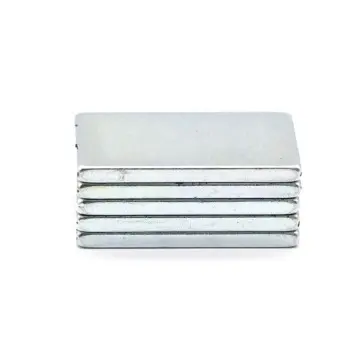
Yes. Our engineering division works directly from customer CAD drawings (STEP/IGES formats). We customize magnet shape (arc, disc, ring, block), magnetization direction (radial, diametrical, multi-pole), and mechanical casing sizes to fit your design parameters.
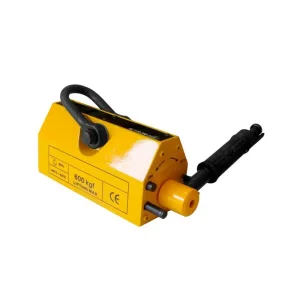
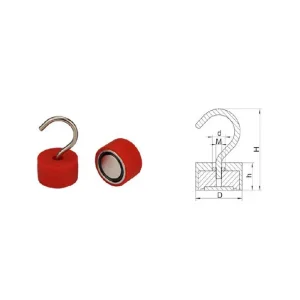
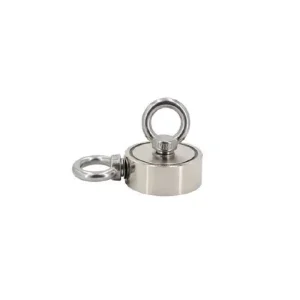
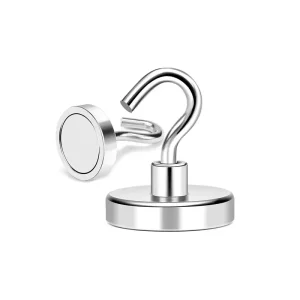
Browse our advanced product categories for generators, voice coil motors, and industrial lifters.
Ensuring microstructural uniformity and operational integrity across all components.
 Laysun Magnetics