Understanding magnetic properties is crucial for various industries today. Businesses often overlook these properties. However, they hold the key to enhancing product performance and efficiency. Magnetic properties influence everything from supply chain management to product design. Knowing how to utilize these characteristics can lead to significant competitive advantages.
Consider a manufacturing company. It relies on magnetic materials for quality control and production processes. The right materials improve reliability and reduce operational costs. Yet, choosing the wrong type can cause inefficiencies. Many businesses struggle with this. They may not understand the implications of magnetic properties fully. Education and expertise in this area can bridge that gap.
Effective use of magnetic properties requires more than basic knowledge. It demands a deep understanding of material science. Companies need to collaborate with experts who can guide them. Embracing this knowledge can transform operations. It can enhance innovation, yet many remain hesitant. The integration of magnetic property knowledge remains a journey, not a destination.
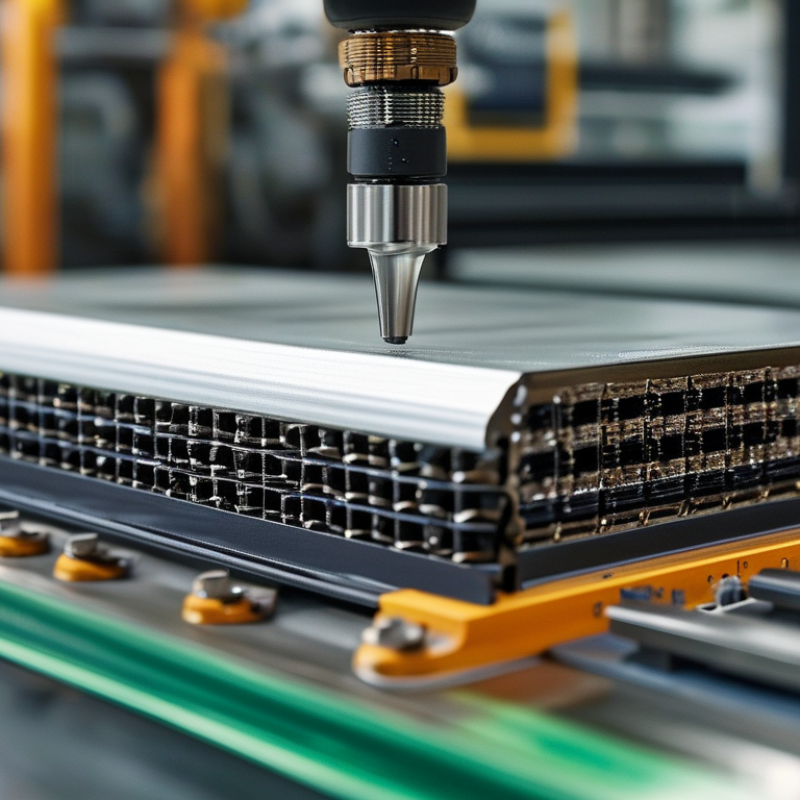
Magnetism plays a crucial role in various industries. Understanding its fundamentals can significantly impact business operations. Research shows that magnetism affects everything from manufacturing to logistics. According to a report from the Global Magnetic Materials Market, the sector is projected to reach $101 billion by 2026. This expectation highlights the need for businesses to grasp magnetic properties.
Companies often overlook the importance of magnetism in their operations. For instance, effective magnetic sorting can enhance production efficiency. More than 70% of manufacturers reported reduced waste through magnetic separation methods. This statistic underscores the potential benefits of integrating magnetism into business processes. However, many still struggle with application, leading to missed opportunities.
Investing time in understanding magnetic principles can streamline supply chains. Magnetism influences inventory management, packaging, and even transportation. A study by the Institute of Electrical and Electronics Engineers emphasized that advanced magnetic systems could lower logistics costs by 15%. Yet, some businesses still resist adopting these technologies. This hesitation can result in losing a competitive edge in a market that is rapidly evolving.
: Understanding magnetic properties is key for various industries. It helps meet unique needs for specific magnetic characteristics.
High-performance magnets can contribute up to 30% of energy efficiency in electric vehicles. They improve motor performance significantly.
The rapid growth raises concerns about supply chain sustainability and ethical sourcing of raw materials. Businesses must address these issues.
In healthcare, MRI technology relies on magnetic fields. This non-invasive method enables detailed internal imaging, significantly benefiting patient diagnostics.
Factors like cost, performance, longevity, and recyclability are crucial. Not all options deliver the same benefits or environmental impact.
Not always. Effectiveness varies by production process, and companies must analyze their needs. Careful evaluation is essential for success.
Companies should engage with industry experts and gather data to make informed decisions. A thoughtful approach is necessary for optimal integration.
Magnetic strips are utilized to secure items and streamline transactions. They enhance customer experience during purchases.
Yes, selection can be complex. Businesses may encounter compatibility issues or unforeseen costs requiring expert consultations.
Businesses should conduct guided assessments and collect specific metrics. This helps align anticipated benefits with actual costs involved.
The article "How to Understand Magnetic Properties for Your Business Needs?" provides a comprehensive overview of magnetism's fundamental concepts and its significance in various business applications. It emphasizes the importance of understanding Magnetic Properties specific to different industries, enabling businesses to identify the most relevant qualities for their needs.
Through exploring the applications of magnetic materials across various sectors, the article highlights how these materials can enhance operational efficiency and production processes. Businesses are encouraged to evaluate the benefits of incorporating magnetic technologies and develop strategies for seamless integration into their operations, ultimately driving innovation and productivity.

 Laysun Magnetics