Recycling Neodymium Magnets is becoming increasingly important in our effort to promote sustainability. According to a report by the International Energy Agency, rare earth elements, including neodymium, are vital for green technologies like wind turbines and electric vehicles. The demand for these components is expected to rise significantly in the coming years.
However, the recycling process presents challenges. Neodymium magnets can be difficult to disassemble and reclaim. Many end up in landfills, which raises environmental concerns. Research from the Journal of Sustainable Mining indicates that less than 1% of neodymium is currently recycled. This inefficiency highlights the need for better recycling practices.
To address this, experts recommend using effective recycling methods. Research shows that improving techniques can yield higher recovery rates. This introduces new opportunities for businesses and environmental advantages for communities. The journey towards efficient recycling of Neodymium Magnets requires commitment and innovation. It is essential to reflect on our practices and seek out solutions.
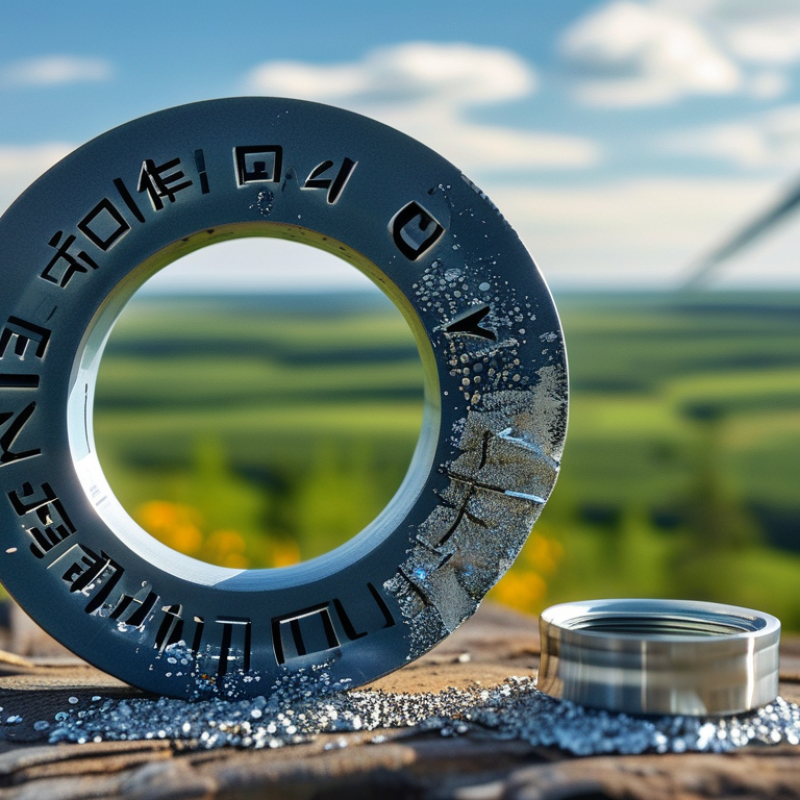
Neodymium magnets are powerful and versatile. They are widely used in many industries, from electronics to renewable energy. Understanding their composition is crucial for effective recycling. These magnets consist primarily of neodymium, iron, and boron. When disposed of improperly, they can cause environmental harm. Recycling helps recover valuable materials while minimizing waste.
Recycling neodymium magnets is not straightforward. Many recycling facilities lack the technology to process them. This leads to significant amounts of these magnets being thrown away. However, there are ways to ensure they are recycled properly. First, seek specialized recycling programs. Some organizations focus on rare earth elements. They can efficiently reclaim these materials. Also, learn about local e-waste collection events. These often accept neodymium magnets, ensuring they are disposed of responsibly.
It’s essential to educate ourselves on this topic. Many people overlook the importance of recycling. Awareness can drive better practices in our communities. Collaboration with local experts can enhance recycling efforts. Engaging in discussions about proper disposal can spark change. We must question our recycling habits. Are we doing enough? Recognizing the value in every component may lead to a more sustainable future.
Disassembling neodymium magnet assemblies requires caution and precision. Start by gathering essential tools. You'll need a screwdriver, pliers, and safety gloves. Safety is paramount. Protect your eyes and hands from sharp edges and flying debris.
When removing magnets from a device, take care to avoid damaging them. Magnets are brittle and can shatter. If a magnet breaks, collect the pieces promptly to prevent injury. Organize components as you remove them. This approach helps you understand how the assembly fits together.
Tips for recycling neodymium magnets include finding local recycling programs. Some facilities specialize in rare earth magnets. Always research their processes to ensure eco-friendly disposal. Another tip is to consider reusing magnets in DIY projects. Old magnets can be transformed into creative tools.
Engaging in this recycling process can be rewarding. However, some challenges may arise. You might overlook certain parts during disassembly. This can lead to unnecessary waste. Reflecting on your methods will help improve future recycling efforts.
Recycling neodymium magnets plays a crucial role in conserving rare earth metals. These magnets contain valuable elements that can be repurposed. However, extracting these materials safely requires knowledge and caution. One should avoid any hasty processes. Careless extraction can lead to contamination or loss of material.
To recycle neodymium magnets effectively, start by ensuring proper safety gear is worn. Gloves and eye protection are essential. Handling magnets can be hazardous, as their strong pull can lead to injuries. Use cutting tools designed for magnet work. It’s important to understand that some methods may cause damage to the metals being extracted.
When dealing with extraction techniques, consider mechanical shredding or chemical processing. Mechanical methods involve breaking down the magnets into smaller pieces. This allows easy separation of materials. Chemical processes can be more efficient, but they require careful handling of solvents. Make sure to dispose of any waste products responsibly. Experimentation with techniques may be necessary to determine the best results.
Recycling neodymium magnets presents unique challenges due to their chemical composition and strength. Regulations around this process are crucial for sustainable practices. In 2020, it was reported that about 1.5 million tons of rare earth elements, including neodymium, were consumed globally. Responsible recycling can help reduce environmental impact significantly.
Many recycling facilities follow guidelines that prioritize eco-friendly methods. These guidelines typically ensure that harmful components are properly managed and that recycling processes minimize waste. For example, it’s critical to disassemble products containing neodymium magnets before disposal. This helps in recovering valuable materials while reducing landfill overflow. Recycling programs can divert almost 90% of neodymium from waste streams when done correctly.
Effective recycling begins with awareness. Ensure you understand local recycling regulations pertaining to neodymium magnets. Educate yourself about accepted disposal methods. Another tip is to explore community resources for recycling programs in your area. Not all facilities handle neodymium, so verify their capabilities. Keep documentation on recycling processes to ensure compliance and track material recovery. Over time, reviewing these methods can highlight areas for improvement in personal recycling habits.
The demand for recycled neodymium in various industries is growing. As technology evolves, the need for efficient recycling methods intensifies. Neodymium magnets are crucial in renewable energy, electronics, and automobiles. Recycling these magnets can reduce environmental impact and meet market demand.
Many industries are now focusing on sustainability. Companies are searching for reliable sources of recycled neodymium. This shift is driven by economic factors as well. Using recycled materials often proves to be cost-effective compared to mining rare earth metals. The recycling process is not seamless, however. Challenges exist in terms of technology and infrastructure.
The market is witnessing innovation in recycling methods. More efficient techniques are being developed to extract neodymium from old magnets. These advancements contribute to a circular economy, where materials are reused and waste is minimized. Yet, some facilities struggle to adopt these new practices. Education and investment in technology are needed to overcome these barriers.
: They are primarily composed of neodymium, iron, and boron.
Recycling recovers valuable materials and reduces environmental harm from improper disposal.
No, many lack the technology to recycle them properly.
Seek specialized recycling programs or local e-waste collection events.
Gather tools like a screwdriver, pliers, and wear safety gloves for protection.
You may overlook parts during disassembly, leading to unnecessary waste.
It reduces environmental impact and meets the growing demand in various sectors.
Yes, they can be transformed into creative tools for various projects.
Increased demand for sustainability and cost-effective use of recycled materials is driving innovation.
Education and investment in technology are essential for overcoming current challenges.
Recycling neodymium magnets is crucial for both environmental sustainability and resource efficiency. Understanding the composition and significance of these powerful magnets sets the foundation for effective recycling practices. The process begins with the careful disassembly of magnet assemblies, ensuring all components are safely extracted. Techniques to extract rare earth metals are essential for preserving these valuable materials, which are increasingly in demand across various industries.
Moreover, adhering to regulations and guidelines for eco-friendly recycling is imperative to minimize environmental impact. As market trends indicate a growing demand for recycled neodymium, the importance of responsible recycling methods becomes even clearer. By implementing these strategies, we can contribute to a circular economy while harnessing the benefits of recycled neodymium magnets.

Laysun Magnetics