The world of neodymium magnets is evolving rapidly, driven by innovation and intellectual property. Experts in this field, such as Dr. Emily Chen, a leading researcher on magnetic materials, highlight the significance of "Patents On Neodymium Magnets." She notes, "The landscape of magnets is changing; understanding patents is crucial for global buyers."
China holds a commanding position in the patent landscape for neodymium magnets. These strong magnets are essential in many industries, including electronics and renewable energy. For international buyers, navigating this patent minefield can be complex. Many are unaware of the implications patents have on supply chains and product development.
Investing time to understand these patents can provide a competitive edge. Yet, there is a paradox; while patents protect innovations, they can also stifle further creativity. This tension prompts an essential reflection: how can one balance protection and progress in the magnet industry? Understanding these dynamics is vital for anyone involved in the market.
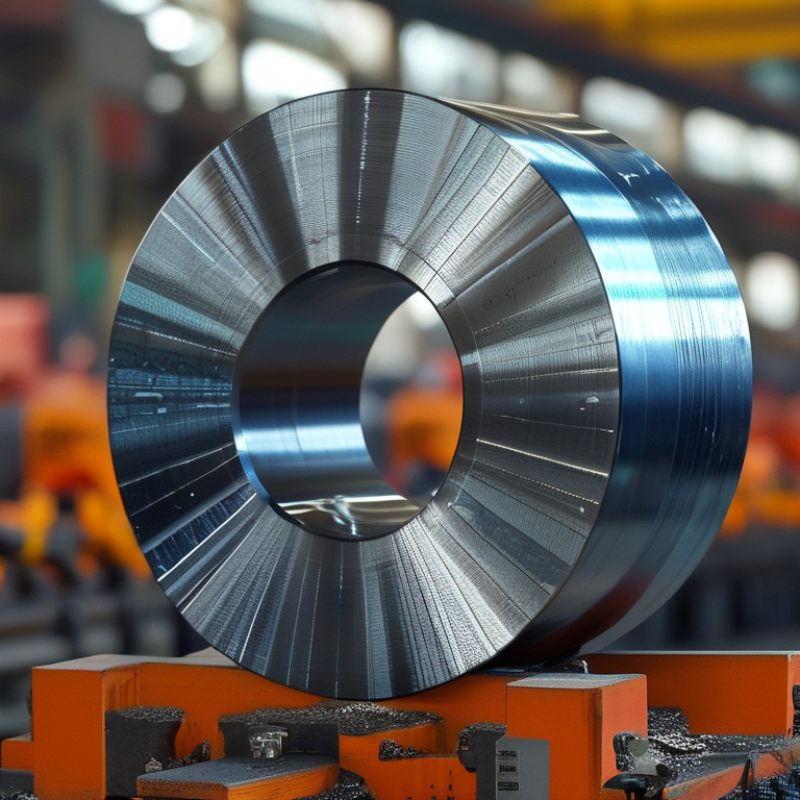
Neodymium magnets are vital in various industries due to their exceptional magnetic properties. These permanent magnets, known for their strength, are made from an alloy of neodymium, iron, and boron. Their applications range from electric vehicles to consumer electronics. A recent report from MarketsandMarkets highlights that the neodymium magnet market is expected to reach $34.1 billion by 2026, growing at a CAGR of 10.6%. This growth stems from the increasing demand for energy-efficient products.
In the automotive sector, neodymium magnets enhance motor efficiency and reduce overall size. Electric vehicle manufacturers utilize these magnets to improve battery performance and range. According to a study by ResearchAndMarkets, the automotive segment accounted for over 30% of neodymium magnet consumption in 2022. However, reliance on these magnets poses challenges. The supply chain can be affected by geopolitical factors and resource availability. The industry's dependency on rare-earth elements can make it vulnerable to fluctuations, prompting the need for alternative solutions.
In renewable energy, neodymium magnets are crucial for wind turbine generation. They help generate more electricity with smaller, lighter designs. While advancements continue, there are concerns regarding recycling and sustainability. The extraction and processing of rare-earth materials can lead to environmental degradation. Industry experts agree that while neodymium magnets drive innovation, their lifecycle management requires careful consideration.
China is a global leader in the production of neodymium magnets, which are essential in various industries. The patent landscape in this sector features key players who drive innovation and market dynamics. These companies hold significant patents, enabling them to maintain competitive advantages.
Understanding the patent landscape is crucial for global buyers. It helps identify potential suppliers and assess their capabilities. Buyers need to navigate this intricate web of patents to ensure they engage with reliable manufacturers. It is vital to consider the technological advancements tied to these patents, as they impact product quality and pricing.
However, there are challenges in this landscape. The sheer volume of patents can be overwhelming. Buyers may struggle to interpret the relevance of specific patents and their implications. This complexity may lead to missed opportunities or inadequate partnerships. Engaging legal experts can provide clarity, yet this adds another layer of costs. Balancing innovation with compliance is key in this evolving market.
Understanding patents related to neodymium magnets is crucial for global buyers. In China, the landscape of these patents is intricate and significant. Different types of patents protect the processes, designs, and compositions involved in creating neodymium magnets. Buyers must be aware of how these can affect their supply chain and production capabilities.
Many patents focus on improvement in magnet efficiency and durability. For instance, some protect unique alloys or manufacturing techniques. Buyers face challenges in sourcing materials that comply with existing patents. Ignoring these implications could lead to legal disputes or increased costs. Each buyer's position can change based on the patent type involved.
Ultimately, understanding these patents can offer strategic advantages. Buyers can negotiate better terms when they know what is protected. They can also avoid pitfalls by respecting patent rights. Each engagement with suppliers must include awareness of these aspects. This knowledge empowers buyers in their decisions and enhances their competitiveness in the market.
Sourcing neodymium magnets from China can be a daunting process. Buyers need to understand the intricacies involved. China is a leading producer, but not all manufacturers offer the same quality and reliability. Conducting thorough research is essential.
When evaluating suppliers, focus on their certifications. Verify their production capabilities and quality control processes. Ask for samples to gauge the performance of their products. This step can save time and money in the long run.
Tips: Check for industry standards and compliance. A reliable supplier should provide documentation to prove their adherence. Engaging directly with manufacturers can provide deeper insights into their production practices.
Be aware of the potential language barriers. Effective communication is key to a successful sourcing experience. Misunderstandings can lead to costly mistakes. Always be clear about specifications and order details to avoid confusion.
Tips: Utilize translation tools if necessary. Having a local contact or sourcing agent can bridge the gaps in communication. Growth in this sector is rapid; staying updated is crucial. Follow industry news and trends to maintain a competitive edge.
The neodymium magnet market is poised for significant growth. According to a recent report by Market Research Future, the compound annual growth rate (CAGR) for neodymium magnets is projected to be around 10% from 2022 to 2030. This growth is driven primarily by increasing applications in industries such as automotive, electronics, and renewable energy.
Technological advancements are vital to this market's evolution. Innovations like high-temperature neodymium magnets are gaining attention. These magnets can operate in extreme conditions, expanding their utility in electric vehicles and wind turbines. However, challenges remain. Issues of supply chain sustainability and the sourcing of rare earth elements pose risks. Industry players must address these concerns to maintain momentum.
Moreover, buyer awareness is growing regarding the ethical and environmental implications of neodymium production. Many buyers now seek suppliers with transparent practices. Reports indicate that 70% of global buyers consider sustainability when sourcing materials. As the industry moves forward, balancing innovation with responsible sourcing will be crucial for long-term success.
| Patent Type | Application | Patent Issued Year | Key Innovation | Market Trend Impact |
|---|---|---|---|---|
| Composition Optimization | Electronics | 2021 | Enhanced magnetic strength and stability | Promotes growth in compact electronic devices |
| Production Process Innovation | Automotive | 2020 | Reduction in manufacturing costs | Supports mass production in electric vehicles |
| Environmental Adaptation | Renewable Energy | 2022 | Resistance to extreme temperatures | Facilitates efficiency in wind turbines |
| Nanostructuring Techniques | Healthcare | 2019 | Improved biocompatibility | Advances magnetic drug delivery systems |
: They are made from an alloy of neodymium, iron, and boron.
They are used in automotive, consumer electronics, and renewable energy sectors.
The demand for energy-efficient products drives market growth significantly.
Supply chain issues and dependency on rare-earth elements can pose risks.
Research suppliers, check certifications, and request product samples.
Language differences can lead to misunderstandings and errors in orders.
The extraction processes can harm the environment, pushing for responsible sourcing.
These magnets operate in extreme conditions, enhancing their applications.
Many buyers now prioritize transparency and sustainability in their sourcing decisions.
Challenges like supply chain sustainability and ethical sourcing remain significant obstacles.
The article "China Top Patents on Neodymium Magnets: What Global Buyers Need to Know" provides a comprehensive overview of neodymium magnets and their various applications across industries. It highlights the key players in China's patent landscape, focusing on significant patents on neodymium magnets that shape the competitive environment.
Moreover, the discussion emphasizes important patent types and their implications for global buyers looking to source these materials. Understanding these patents is crucial for navigating sourcing strategies effectively. Lastly, the article addresses future trends in neodymium magnet technology and market development, offering insights into potential advancements and shifts in demand. This information equips global buyers with the necessary knowledge to make informed decisions in their procurement processes.

Laysun Magnetics