Permanent magnets play a crucial role in various industries today. According to a recent market report, the global permanent magnet market is projected to reach $40 billion by 2026. The increasing reliance on renewable energy technologies and electric vehicles drives this growth. As industries shift towards greener solutions, the demand for high-performance permanent magnets expands.
One significant factor influencing the choice of permanent magnets is their material composition. NdFeB (Neodymium-Iron-Boron) magnets are known for their exceptional strength. They are widely used in motors and generators. However, their cost and availability can be concerning. Meanwhile, ferrite magnets are more affordable and offer adequate performance for many applications.
Despite the robust market, decision-makers face challenges in selecting the best options. Trade-offs exist between performance, cost, and supply chain stability. Understanding these nuances is vital for making informed choices. Manufacturers must weigh their specific needs against the options available in the market.
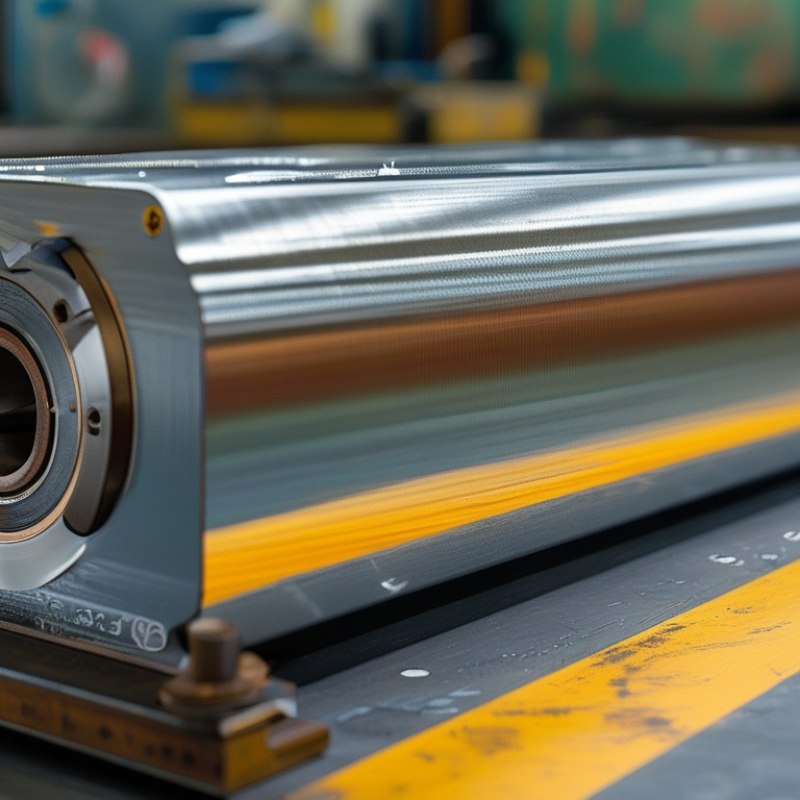
Overview of Permanent Magnets and Their Applications
Permanent magnets are essential components across various industries. They are widely used in motors, generators, and medical devices. According to a recent market report, the global permanent magnet market is expected to reach over $30 billion by 2025, highlighting their growing significance.
The most commonly used types of permanent magnets include neodymium, ferrite, and alnico. Neodymium magnets are particularly favored for their strength. They are ideal for compact applications where space is limited. Ferrite magnets, on the other hand, are cost-effective and widely used in loudspeakers. Alnico magnets withstand high temperatures and are often found in sensors.
Tips: When selecting a permanent magnet, consider the application's temperature and environmental conditions. Ensure that the magnet's properties align with your specific needs. Advances in magnetic materials continue to evolve, pushing the limits of performance and durability. Reflecting on these developments can guide future applications. Choosing the right magnetic material can become a challenging process, especially with so many options available. Always evaluate how different materials can impact the overall efficiency of your project.
Overview of Permanent Magnets and Their Applications
Types of Permanent Magnets: Ferrite, Neodymium, and Samarium-Cobalt
Permanent magnets play a crucial role in various industries. They are classified into several types, with ferrite, neodymium, and samarium-cobalt being the most prominent. Ferrite magnets are cost-effective and highly magnetic. They are widely used in household appliances. According to a report from the International Journal of Engineering Research and Technology, ferrite magnets account for approximately 40% of the permanent magnet market due to their stability and low cost.
Neodymium magnets, known for their exceptional strength, are used in advanced applications, including electric motors and wind turbines. They offer a high magnetic field, but their production can be resource-intensive. Data indicates that the neodymium magnet market is projected to grow significantly, with estimates suggesting a compound annual growth rate (CAGR) of over 10% by 2026.
Samarium-cobalt magnets are another top-tier option. They are more expensive but boast high resistance to heat and corrosion. This makes them ideal for aerospace and medical applications. However, due to their cost and sourcing challenges, their usage may be limited in comparison to other types of magnets.
Tips: If you’re selecting a magnet for a specific application, consider the environmental conditions. For heat resistance, samarium-cobalt is ideal. For a budget-friendly choice, ferrite magnets are recommended. Always check for the latest industry reports to stay informed about market trends.
What Are The Best Options For Permanent Magnets Today?
| Type of Magnet |
Magnetic Strength (Maximum Energy Product, BHmax) |
Temperature Stability |
Cost |
Applications |
| Ferrite |
100-450 MGOe |
Up to 250°C |
Low |
Speakers, Motors, Magnetic Holders |
| Neodymium |
80-400 MGOe |
Up to 80-230°C |
Moderate to High |
Electronics, Hard Drives, MRI Machines |
| Samarium-Cobalt |
25-30 MGOe |
Up to 300°C |
High |
Aerospace, Military Applications, High-Temperature Devices |
Comparative Analysis of Magnetic Strength and Cost
Permanent magnets play a crucial role in various applications, from electronic devices to industrial machinery. Their performance is often measured by magnetic strength and cost, which are significant factors for manufacturers and consumers alike. Neodymium magnets provide exceptional strength, making them popular in many fields. However, these powerful magnets can be costly compared to other options like ferrite magnets.
Ferrite magnets, often used in less demanding applications, offer a more economical choice. While they lack the magnetic strength of neodymium, they are still effective for everyday uses. The choice between these magnets ultimately depends on the specific requirements of the project. A balance between strength and cost is essential. Sometimes, a weaker magnet can suffice for smaller projects, saving costs without sacrificing functionality.
Innovation in magnet technology continues to evolve, presenting new options. Some manufacturers explore alternative materials that could reduce costs while maintaining strength. Yet, these innovations often come with their own limitations and uncertainties. Understanding the trade-offs is key for informed decisions in selecting the right type of permanent magnet.
Factors to Consider When Choosing a Permanent Magnet
When selecting a permanent magnet, various factors come into play.
The type of material is critical. Common options include neodymium, samarium-cobalt, and ferrite.
Neodymium magnets, known for their high strength, are often used in small spaces.
However, they can demagnetize at elevated temperatures. This information is backed by a report from the International Magnetics Association,
which highlights temperature limitations for different magnet types.
Additionally, the shape and size of the magnet significantly affect performance. Disc, ring, and block shapes all serve different applications.
A detailed study by the Magnet Materials Council states that varying geometries can enhance field strength and direction.
Proper sizing is essential to meet the specific requirements of a project. Oversized magnets can lead to inefficiencies,
while undersized ones may not provide enough lift or hold.
Cost sensitivity is another key consideration. Price fluctuations can occur based on global supply and demand.
Some reports indicate that rare earth elements, vital for certain magnets, may be subject to market instability.
Consequently, understanding the long-term implications of these factors is crucial for effective decision-making.
Choosing the right permanent magnet is not a straightforward task and necessitates careful evaluation and planning.
Future Trends and Innovations in Permanent Magnet Technology
Recent developments in permanent magnet technology show exciting trends. Researchers focus on enhancing efficiency and reducing reliance on rare materials. This shift aims to create sustainable solutions. The move towards eco-friendly alternatives is more than a trend; it’s a necessity.
One innovative trend is the development of hybrid magnets. These combine traditional materials with newer alloys. The goal is to achieve stronger magnetic fields. This advancement could lead to smaller, more efficient motors. However, the challenge remains: how can these magnets be produced cost-effectively without compromising quality?
Another notable direction includes advancements in magnet recycling. As industries demand more sustainable practices, recycling old magnets becomes increasingly vital. Innovative techniques are being explored to recover valuable materials. This can lessen environmental impact. Yet, the methods are still in early stages and need further refinement for wide adoption.
FAQS
: The primary types are ferrite, neodymium, and samarium-cobalt, each suited for different applications.
Ferrite magnets are cost-effective and stable, making them widely used in household appliances and accounting for 40% of the market.
Neodymium magnets have exceptional strength and are used in advanced applications, but they can be resource-intensive to produce.
Samarium-cobalt magnets resist heat and corrosion but are more expensive and may face sourcing challenges.
Consider material type, shape, size, and cost sensitivity; these elements all affect performance and suitability.
Yes, different shapes like discs or rings enhance field strength and direction, impacting how effectively a magnet performs.
Innovations include hybrid magnets and improved recycling methods, aimed at efficiency and sustainability, though challenges remain.
Neodymium magnets can demagnetize at high temperatures, so it's essential to select based on environmental conditions.
Yes, recycling older magnets is becoming crucial for sustainability, but methods need refinement for better implementation.
Price fluctuations can affect project budgets; understanding market conditions is essential for effective decision-making.
Conclusion
Permanent magnets are essential components used in various applications, ranging from household items to industrial machinery. The two most common types are ferrite magnets, known for their cost-effectiveness and resistance to corrosion, and high-performance magnets like neodymium and samarium-cobalt, which offer superior magnetic strength. When selecting a permanent magnet, several factors should be considered, including magnetic strength, cost, and the specific requirements of the intended application.
Looking toward the future, innovations in permanent magnet technology are poised to improve performance and efficiency while potentially reducing costs. Researchers are exploring new materials and fabrication techniques to enhance the capabilities of permanent magnets. Understanding these various aspects will enable users to make informed choices in selecting the best permanent magnets for their needs.

 Laysun Magnetics