As industries evolve, the demand for high-performance materials intensifies. Ndfeb magnets, known for their exceptional magnetic strength, are at the forefront of this need. Dr. Alice Chen, a leading expert in magnetic materials, emphasizes the significance of these magnets. She states, "Ndfeb magnets are vital for modern applications, bridging the gap between innovation and efficiency."
The global landscape for Ndfeb magnets is diverse, with various suppliers emerging to meet procurement needs. Choosing the right supplier requires careful consideration of quality and reliability. Many options exist, yet not all provide the same level of expertise.
While securing a trustworthy vendor is crucial, the market poses challenges. Variations in manufacturing standards can lead to inconsistencies. It's essential for companies to evaluate their suppliers rigorously. Understanding the intricacies of the Ndfeb magnet market is key to making informed decisions.
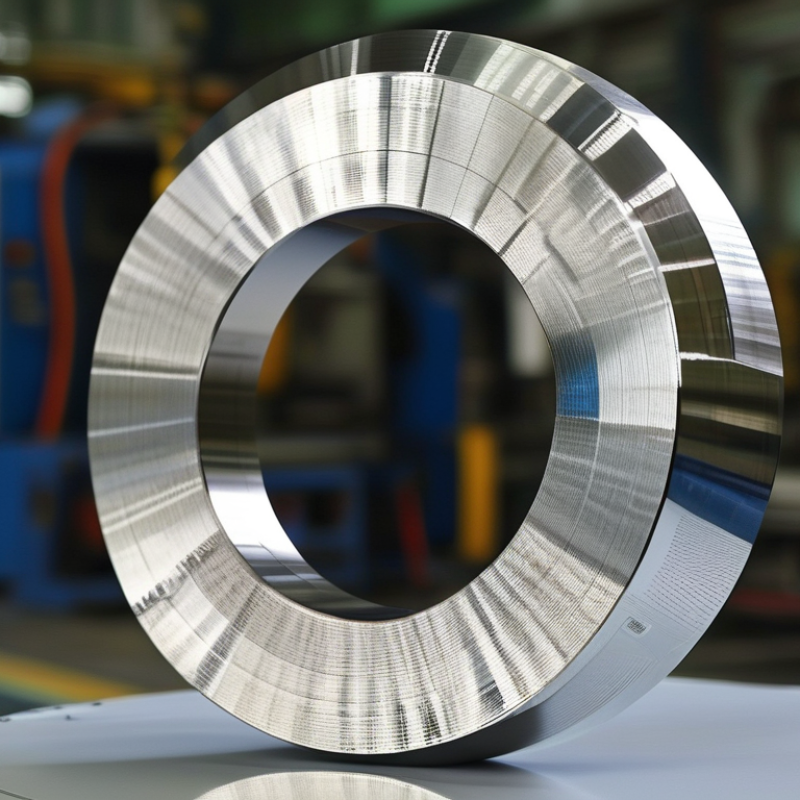
NdFeB magnets, or neodymium-iron-boron magnets, are among the strongest permanent magnets available. Their remarkable magnetic strength makes them ideal for various applications. Industries utilize these magnets in motors, generators, and magnetic separators. They play a crucial role in renewable energy technologies, such as wind turbines and electric vehicles. The high energy density of NdFeB magnets is a significant advantage, yet the production process can be complex.
These magnets come in different shapes and sizes, catering to specific needs. For instance, disc-shaped magnets work well in sensors, while rectangular ones are often used in industrial equipment. The versatility of NdFeB magnets is evident across multiple sectors, including automotive and electronics. However, the risk of corrosion poses a challenge. Protective coatings are essential, yet they can add to costs and complicate manufacturing.
Understanding the limitations of NdFeB magnets is key for industries looking to integrate them. For example, the brittle nature of these magnets requires careful handling. Overall, tapping into the potential of NdFeB magnets demands thorough knowledge of their properties and applications. Their effectiveness hinges not only on strength but also on thoughtful implementation.
When selecting top NdFeB magnet suppliers, several criteria come into play. Experience in the industry is paramount. Suppliers with a long history often have proven technology and established manufacturing processes. A supplier’s expertise can lead to better quality products, ensuring reliability.
Quality control measures are crucial. Effective suppliers implement rigorous testing protocols. This ensures that each magnet meets specific performance standards. Additionally, their commitment to innovation is vital. Suppliers must stay updated on new materials and techniques to improve their products.
Customer service cannot be overlooked. A responsive team can make a significant difference in addressing concerns. Equally important is the supplier's ability to scale production based on demand. Flexibility often reflects a supplier's reliability. In an ever-changing market, it is essential to work with suppliers who understand and adapt to fluctuations. Evaluating these factors carefully can help identify the best partners for your needs.
The global market for NdFeB magnets is projected to reach $36.5 billion by 2026, according to industry reports. This growth is driven by increasing demand from sectors like renewable energy and electric vehicles. NdFeB magnets, known for their high strength, are essential for efficient motors and generators.
Top suppliers in this field are focusing on sustainable production methods. The rise of electric vehicles has heightened the need for eco-friendly processes. Not all manufacturers have adapted successfully, raising concerns about reliability and environmental impact.
Quality control remains a critical issue. Suppliers must ensure that their magnets meet specific performance standards. Flaws in quality could lead to failures in applications. Therefore, selecting a trustworthy supplier is paramount for companies looking to innovate in their respective markets.
| Supplier Location | Annual Production Capacity (Tons) | Certification | Key Applications | Customer Base |
|---|---|---|---|---|
| China | 5000 | ISO 9001 | Electronics, Automotive | Global |
| USA | 3000 | RoHS, ISO 14001 | Aerospace, Healthcare | North America |
| Germany | 2000 | ISO 9001, ISO 50001 | Renewable Energy, Automation | Europe |
| Japan | 4000 | TS 16949 | Consumer Electronics, Robotics | Asia |
| South Korea | 2500 | ISO 9001, CE | Industrial Equipment | Global |
In today's competitive market, sourcing high-quality Neodymium Iron Boron (NdFeB) magnets is essential. Various suppliers offer unique services and products, making it crucial for businesses to evaluate their options. Understanding the strengths and weaknesses of different suppliers can lead to more informed purchasing decisions.
When comparing suppliers, consider their experience in the industry. A supplier's history can reveal their reliability and quality of service. Look for those with specialized knowledge in NdFeB magnets. This expertise can ensure you receive the best materials suitable for your applications. A supplier that invests in research and development may offer innovative solutions that can enhance your product performance.
Tips: Always check supplier certifications. This can provide confidence in their compliance with industry standards. Regular communication can help you gauge their responsiveness and reliability. Don’t hesitate to ask for sample products before making bulk purchases. This step can prevent potential setbacks.
It’s also essential to evaluate customer service. Some suppliers may excel in product variety but lack adequate support. A less reliable supplier can lead to delays and quality issues down the line. Reflect on past experiences to choose wisely. Reassessing your supply chain regularly helps maintain superior quality and performance in your projects.
The NdFeB magnet supply chain is evolving. Future trends indicate increased demand for these magnets in various sectors. Industries like renewable energy and electric vehicles are becoming significant consumers. This growing demand drives innovations in production and distribution practices.
Supply chain transparency is crucial. Manufacturers and suppliers must focus on sustainability. This includes ethical sourcing of raw materials. The complexity of global logistics adds pressure to the supply chain. Companies sometimes struggle with transportation hurdles and fluctuating costs. Reflection on these challenges is necessary for improvement.
Digital transformation is reshaping procurement strategies. Technology enables better tracking and management of resources. Yet, companies face difficulties adapting to these new systems. Training staff and aligning existing processes can be daunting. Embracing these shifts is essential for staying competitive in the NdFeB market.
This bar chart illustrates the projected demand for NdFeB magnets across various industries in 2026. The data indicates significant shifts in procurement needs driven by technological advancements and increasing applications in renewable energy, automotive, and electronics sectors.
: Experience and proven technology are essential. Long-term suppliers often offer better quality products.
Rigorous testing protocols ensure each magnet meets performance standards. Poor quality can lead to failures.
A responsive team can address concerns effectively. Good communication is crucial for a successful partnership.
Suppliers must stay updated on new materials and techniques. This commitment often leads to product improvement.
Evaluate their ability to scale production based on demand. Flexibility reflects the supplier's reliability.
Increased demand for electric vehicles requires eco-friendly processes. Not all suppliers have adapted, raising reliability questions.
Growing demand in renewable energy and electric vehicles drives market expansion. This could impact supplier choice.
A long history often indicates better technology and processes. Newer suppliers may lack proven reliability.
Flaws can lead to application failures. Choosing a trustworthy supplier is vital for innovation.
No, some struggle with sustainability and reliability. It's important to evaluate their adaptability.
The article "2026 Best NdFeB Magnet Suppliers for Global Procurement Needs?" provides a comprehensive overview of NdFeB magnets, highlighting their various applications in industries such as electronics, automotive, and renewable energy. It outlines essential criteria for selecting top suppliers, including product quality, pricing, and service reliability, ensuring that businesses can make informed procurement decisions.
Additionally, the article identifies the leading global NdFeB magnet suppliers in 2026 and conducts a comparative analysis of their offerings and services. It also discusses future trends in the NdFeB magnet supply chain, emphasizing the importance of adapting to market changes and technological advancements to meet evolving procurement needs. This insightful examination serves as a crucial resource for organizations looking to enhance their supply strategies for NdFeB magnets.

Laysun Magnetics