In the world of modern manufacturing, Bonded Neodymium Magnets have emerged as invaluable components. These magnets blend strength with versatility, making them ideal for various applications. They are not just powerful but also lightweight, which can significantly reduce production costs. As a business owner, understanding the benefits of these magnets can transform your product line.
One of the standout advantages of Bonded Neodymium Magnets is their ability to maintain strong magnetic fields while being shaped into complex forms. This capability opens up new design possibilities. Many companies struggle with the limitations of traditional magnets, often wishing for more flexibility. Furthermore, these magnets resist demagnetization, ensuring long-lasting performance. Reliability in components is often a concern; Bonded Neodymium Magnets address this issue effectively.
Incorporating Bonded Neodymium Magnets into your products can enhance efficiency and consumer satisfaction. However, it's crucial to assess whether they suit your specific needs. Not every application may benefit from these magnets. Consideration of cost versus performance is key for businesses aiming to innovate responsibly.
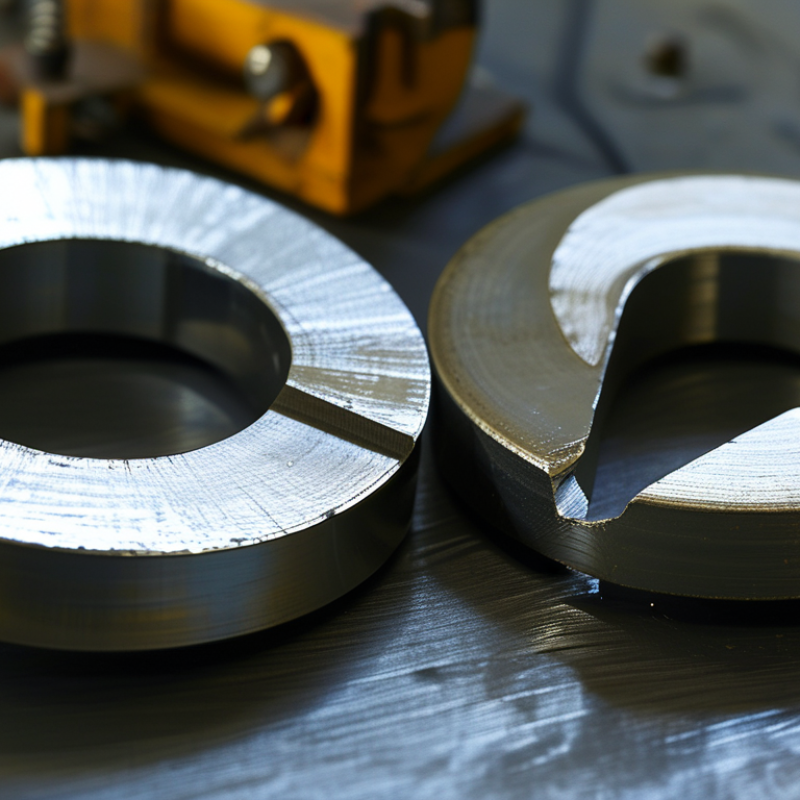
Introduction to Bonded Neodymium Magnets
Bonded neodymium magnets are increasingly popular in various industries due to their unique properties. These magnets combine neodymium powder with resin, creating a flexible yet powerful alternative. This process allows for intricate shapes that are hard to achieve with traditional magnets. According to a report by the International Magnetic Association, bonded neodymium magnets account for over 30% of the total magnetic materials market. This innovation not only meets design requirements but enhances performance, catering to diverse applications.
The manufacturing process for these magnets results in lower production costs and reduced waste. Businesses utilizing bonded magnets can produce complex geometries, reducing assembly time and costs. A study by Market Research Future highlights that the global bonded magnet market is expected to grow at a CAGR of 7.5% from 2021 to 2028. This growth indicates that many companies are recognizing the potential advantages of these magnets. However, some challenges persist. Reliability can vary based on production methods and material quality. Testing and quality assurance are essential to mitigate risks.
Understanding the specific uses of bonded neodymium magnets is vital. They are useful in automotive parts, electronics, and medical devices. The combination of strength and adaptability makes them ideal for these industries. However, businesses must consider environmental factors. Abrasion resistance and durability can be affected by exposure to moisture and heat. Thus, while bonded neodymium magnets offer significant benefits, careful application and testing are necessary to ensure optimal performance.
Key Properties of Bonded Neodymium Magnets for Industrial Use
Bonded neodymium magnets are increasingly vital in industrial applications. They offer unique properties that set them apart from traditional magnets. These include high resistance to demagnetization and the ability to be shaped into various forms. Engineers appreciate their lightweight nature, making them ideal for devices where weight is critical. According to industry reports, the global magnet market is expected to grow significantly, driven by demand for bonded neodymium magnets.
Applications are diverse, from automotive to electronics. Their strong magnetic properties are combined with impressive thermal stability. Bonded neodymium magnets can operate effectively in environments with temperatures up to 80°C. This allows them to be used without performance loss in many industrial settings. Many manufacturers recognize that the versatility of these magnets can lead to innovative designs, leading to better product performance.
Tip: When selecting bonded neodymium magnets, consider their size and shape carefully. Custom designs can meet specific application needs. Pay attention to temperature ratings to prevent unexpected failures. A well-chosen magnet can significantly enhance your product's efficiency. Experiment with different configurations to determine the best fit for your application.
Benefits of Bonded Neodymium Magnets in Product Design and Manufacturing
Bonded neodymium magnets have transformed product design and manufacturing. Their unique properties allow for versatility unmatched by traditional magnets. In various applications, they provide strong magnetic forces while being lightweight. This is particularly advantageous in industries where weight reduction is crucial, such as aerospace and automotive manufacturing.
Besides their strength, bonded neodymium magnets offer flexibility in shapes and sizes. They can be easily molded into complex forms, enabling designers to create innovative products. The manufacturing process allows for customization, a key aspect in competitive markets. However, precise engineering is essential to avoid over-reliance on standard designs. Each application may require a tailored solution to meet specific needs.
Despite their advantages, challenges exist. Bonded neodymium magnets are sensitive to heat and might lose magnetism under certain conditions. Thus, thorough testing is vital during development. Companies must be aware of this limitation to ensure durability. Successful integration into products demands careful planning and consideration of all variables.
Top 10 Benefits of Bonded Neodymium Magnets for Your Business
| Benefit |
Description |
Impact on Business |
| High Strength |
Bonded neodymium magnets offer superior magnetic strength compared to other types. |
Allows for smaller and lighter designs, improving product efficiency. |
| Versatility |
Can be molded into various shapes and sizes for specific applications. |
Enhances product design flexibility. |
| Cost-Effectiveness |
Lower production costs due to efficient use of materials. |
Increases profitability per product. |
| Durability |
Resistant to demagnetization and wear over time. |
Reduces replacement costs and product failures. |
| Temperature Stability |
Maintains performance in a variety of temperature conditions. |
Expand application range in diverse environments. |
| Enhanced Performance |
Optimized magnetic performance enhances overall product effectiveness. |
Improves customer satisfaction and market competitiveness. |
| Ease of Integration |
Simple to incorporate into both existing and new designs. |
Facilitates faster development cycles. |
| Safety |
Reduced risk of component failure compared to weaker magnets. |
Promotes safer usage in consumer products. |
| Sustainability |
Production processes utilize less energy and materials. |
Supports environmentally friendly practices. |
| Customization |
Can be chemically tailored for specific magnetic requirements. |
Provides unique solutions for niche markets. |
Cost-Effectiveness of Bonded Neodymium Magnets for Businesses
Bonded neodymium magnets are gaining traction in various industries. Their cost-effectiveness makes them an attractive option for businesses looking to optimize their resources. These magnets are less expensive to produce than traditional counterparts, yet they maintain impressive magnetic strength. This balance leads to reduced overall production costs.
In applications requiring lightweight and compact solutions, bonded neodymium magnets shine. Their versatility allows them to be used in everything from electronics to automotive parts. However, while these magnets provide significant advantages, businesses must consider their specific needs. Not every application will benefit equally from these products. Evaluating the trade-offs and performance requirements is essential.
Despite their affordability, it's critical to acknowledge potential downsides. Bonded neodymium magnets can be more sensitive to environmental factors compared to sintered magnets. This can lead to decreased performance in harsh conditions. A thoughtful approach to material selection is necessary to ensure reliability and effectiveness in your specific use case.
Top 10 Benefits of Bonded Neodymium Magnets for Your Business
This chart illustrates the top 10 benefits of using bonded neodymium magnets for businesses, with scores representing their effectiveness. The values reflect how businesses can leverage these advantages in various applications.
Applications of Bonded Neodymium Magnets in Various Industries
Bonded neodymium magnets are making significant strides across various industries. Their versatility is impressive. Common applications include automotive, electronics, and medical devices. In automotive manufacturing, these magnets are used in sensors and motors, enhancing efficiency. The global automotive magnet market is projected to reach $10.34 billion by 2027, driven by increased demand for electric vehicles.
In the electronics industry, bonded neodymium magnets are found in smartphones and wearables. They allow for slimmer designs without compromising performance. According to a recent report by Research and Markets, the global market for magnets in electronics is expected to grow at a CAGR of 8.3% during the next five years. This growth indicates a strong reliance on innovative materials.
Tips: When choosing bonded neodymium magnets, consider their operational environment. Temperature changes can affect performance. Understanding application needs is vital for long-lasting use. Evaluate whether temporary or permanent magnets fit your requirement, as this can impact cost and efficiency.
In the medical field, these magnets assist in imaging technologies, like MRI machines. Their strength aids in achieving high-resolution images. However, reliance on these magnets raises questions about supply chain stability. High demand can lead to shortages. In some cases, alternative materials may need exploration. Always factor in reliability and availability before making a decision.
FAQS
: Bonded neodymium magnets are cost-effective magnetic materials used across various industries. They maintain strong magnetic strength.
They are less expensive to produce and offer impressive performance. However, not all applications benefit equally from them.
These magnets are utilized in automotive, electronics, and medical devices. Their versatility supports various applications.
Yes, they can be sensitive to environmental factors. This sensitivity may reduce performance in harsh conditions.
Temperature variations can significantly impact their performance. Consider the operational environment when selecting magnets.
Evaluate the specific application needs and whether temporary or permanent magnets fit the requirements.
Yes, they assist in imaging technologies like MRI machines. Their strength contributes to producing high-resolution images.
High demand can lead to shortages. It's essential to factor in reliability and availability when making decisions.
No, each application has unique performance requirements. Assess trade-offs before making a decision.
A thoughtful approach to material selection is essential. Always evaluate the operating conditions for effectiveness.
Conclusion
Bonded Neodymium Magnets have emerged as a vital component in various industrial applications, thanks to their unique properties and advantages. These magnets are characterized by their strength, lightweight nature, and versatility, making them ideal for product design and manufacturing. Businesses benefit from their cost-effectiveness, as they offer high performance at a lower production cost compared to traditional magnet types.
As manufacturers seek to enhance product efficiency and performance, the use of Bonded Neodymium Magnets in diverse industries, such as automotive, electronics, and consumer goods, is increasingly prevalent. The combination of their strong magnetic properties and ability to be molded into intricate shapes allows for innovative designs and improved functionality in products. Overall, leveraging Bonded Neodymium Magnets can lead to significant improvements in product quality and operational efficiency for businesses.

 Laysun Magnetics